52 citations
,
June 1998 in “British journal of dermatology/British journal of dermatology, Supplement” Ruby laser treatment is effective and well-tolerated for reducing hair growth.
April 2023 in “Journal of Investigative Dermatology” In-person laser treatments help hair growth in androgenetic alopecia.

Combining PRP with low-level laser therapy is better for hair growth than PRP alone.
 November 2023 in “Journal of medical and health studies”
 Combining low-level laser therapy with scalp microneedling and a clobetasol solution significantly improves androgenetic alopecia.
January 2022 in “Advances in Clinical Medicine” September 2017 in “Journal of Investigative Dermatology” Photodynamic therapy can potentially remove nonpigmented hair by damaging hair follicles.
 January 2018 in “Clinical approaches and procedures in cosmetic dermatology”
 Low-Level Laser Therapy might be an effective alternative hair loss treatment for some people.
July 2024 in “Chemical Engineering Journal” A new microneedle system with minoxidil nanoparticles effectively promotes hair regrowth with fewer side effects.
 December 2025 in “Journal of Nanobiotechnology”
 The new microneedle system promotes hair growth by improving the hair follicle environment.
 20 citations
,
September 2019 in “Nanomaterials”
20 citations
,
September 2019 in “Nanomaterials” A portable device can create nanofibers to improve the appearance of thinning hair better than commercial products.
 15 citations
,
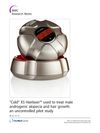
February 2014 in “BMC Research Notes”
15 citations
,
February 2014 in “BMC Research Notes” The X5 Hairlaser might help treat male hair loss, but more research is needed.
 7 citations
,
March 2020 in “Lasers in Medical Science”
7 citations
,
March 2020 in “Lasers in Medical Science” LLLT is a safe, promising hair loss treatment, but more research needed.
 June 2020 in “Medicinskij alfavit”
 Laser and cell treatments effectively help hair regrowth in people with focal alopecia.
17 citations
,
October 2017 in “Journal of cosmetic and laser therapy” Laser hair removal is effective and safe for reducing facial hair in women with PCOS and improves their psychological well-being.
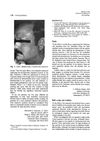 January 1989 in “Journal of The American Academy of Dermatology”
 Dr. Hanke acknowledges the success of CO₂ laser for less severe blast tattoos and suggests dermabrasion for more extensive injuries, while also discussing dermatology's media presence and issues with minoxidil research.
January 2006 in “Journal of Liaoning University of Petroleum & Chemical Technology”  2 citations
,
February 2022 in “Biology”
2 citations
,
February 2022 in “Biology” Blue laser light reduces energy in mouse skin cells and creates harmful oxygen compounds, possibly harming the cells.
November 2025 in “Bioactive Materials” The cryogel effectively heals infected wounds and promotes tissue regeneration without scarring.
 13 citations
,
January 2014 in “Journal of Investigative Dermatology”
13 citations
,
January 2014 in “Journal of Investigative Dermatology” The laser comb did not improve hair regrowth in mice with alopecia areata.
 207 citations
,
January 2011 in “Dermatologic Therapy”
207 citations
,
January 2011 in “Dermatologic Therapy” Laser hair removal is the most requested cosmetic procedure and has become a scientifically-based treatment suitable for all skin types.
 April 2018 in “International journal of nanotechnology and nanomedicine”
 Low-level laser therapy effectively reduces the size of pressure ulcers compared to placebo.
July 2026 in “Journal of Drug Delivery Science and Technology”  206 citations
,
September 2010 in “PLoS ONE”
206 citations
,
September 2010 in “PLoS ONE” The PIRL laser cuts tissue with less damage and scarring than traditional methods.
 January 2024 in “Dermatologic Surgery”
 The device is useful for anesthesia, healing treatments, and preventing hair loss.
 23 citations
,
December 2001 in “Lasers in Surgery and Medicine”
23 citations
,
December 2001 in “Lasers in Surgery and Medicine” Permanent hair removal is hard, but using longer laser pulses at lower power might improve results.
6 citations
,
January 2019 in “Journal of lasers in medical sciences” Using a fractional CO2 laser helps Minoxidil work better for hair regrowth.
 December 2024 in “Medical alphabet”
 Combining erbium laser, laser blood irradiation, and minoxidil is most effective for treating diffuse alopecia.
 September 2023 in “Journal of The American Academy of Dermatology”
 Raman spectroscopy is promising for measuring and enhancing drug delivery in alopecia treatments.
1 citations
,
March 2024 in “PubMed” Surgery with a carbon-dioxide laser successfully treated a Labrador's tongue condition, but some hair regrew.
December 2018 in “Zenodo (CERN European Organization for Nuclear Research)” Low-level laser therapy may help hair growth, but more research is needed.