Search
for
Sort by
Research
240-270 / 1000+ resultsresearch TOPICAL MINOXIDIL, SCALP HAIR, AND VASODILATATION
Topical minoxidil may help hair growth by improving blood flow to hair follicles.

research A Case of Contact Allergic Dermatitis to Topical Minoxidil
A woman had an allergic skin reaction to a hair loss treatment containing minoxidil and should not use it.
research Topical Minoxidil 5% Induced Male Sexual Dysfunction
Topical minoxidil 5% can cause erectile dysfunction and decreased libido.
research Minoxidil 1 mg orally versus minoxidil 5% solution topically for the treatment of female pattern hair loss: a randomized clinical trial
Oral minoxidil 1 mg is effective and safe for female hair loss, with less shedding but more hair growth on the body.
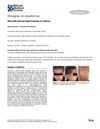
research Minoxidil induced hypertrichosis in children
Minoxidil caused unwanted hair growth in a child, but stopped after stopping treatment.
research Preparation and evaluation of minoxidil foamable emu oil emulsion.
The emu oil emulsion with minoxidil was better at promoting hair growth than the commercial product.
research Minoxidil cyclodextrin inclusion complex-loaded microemulsions and transfersomes for androgen alopecia treatment: a comparative study
research Acute Localized Exanthematous Pustulosis (ALEP) Caused by Topical Application of Minoxidil
Minoxidil can cause a skin reaction called ALEP.
research Minoxidil increases 17β-hydroxysteroid dehydrogenase and 5α-reductase activity of cultured human dermal papilla cells from balding scalp
Minoxidil boosts enzymes that help hair growth.
research Evaluación de la seguridad de minoxidil oral a dosis bajas en el tratamiento de la alopecia
Low-dose oral minoxidil is generally safe for treating hair loss, with mostly mild side effects.
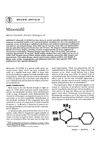
research Minoxidil
Minoxidil effectively treats severe hypertension but has notable side effects.
research MINOXIDIL-HAEMODYNAMIC AND CLINICAL EXPERIENCES WITH A NEW PERIPHERAL VASODILATOR
Minoxidil helps control blood pressure but has side-effects, so it's not for everyone.
research Topical 2% Minoxidil Solution in Male Pattern Alopecia. The Initial European Experience
The 2% minoxidil solution is safe and effective for treating male pattern baldness.

research A Comparative Study Examining the Effects of Nifedipine and Minoxidil on Stimulating Hair Growth Using a Mouse Model
Nifedipine cream promotes more hair growth than minoxidil.

research Potentiometric determination of minoxidil in topical use pharmaceutical samples
The conclusion cannot be provided as the document content is not available.
research Allergic contact dermatitis from Minoxidil
Some patients using Minoxidil for baldness developed allergic skin reactions.

research Comparative Efficacy of Minoxidil and 5‐Alpha Reductase Inhibitors Monotherapy for Male Pattern Hair Loss: Network Meta‐Analysis Study of Current Empirical Evidence
Dutasteride 0.5 mg/day is the most effective treatment for male pattern hair loss.

research Acneform eruptions with use of minoxidil-a case report
Minoxidil, a hair loss treatment, may cause acne-like skin eruptions.

research Formulation and Physicochemical Characterization of a Nanostructured Lipid Carrier (NLC) Gel Combining Minoxidil and Finasteride for the Treatment of Alopecia in Prospective Hajj Pilgrims
The NLC gel with Minoxidil and Finasteride effectively treats hair loss in harsh conditions.
research The preparation of high minoxidil loaded transfersomes and its gel for effective topical treatment of alopecia
The new minoxidil gel improves hair growth and reduces skin irritation.
research Generalized Hypertrichosis Due to Topical Minoxidil
A woman experienced excessive hair growth after using a hair loss treatment with minoxidil.
research Dutasteride nanoemulsion preparation to inhibit 5-alpha-hair follicle reductase enzymes in the hair follicle; an ex vivo study.
The dutasteride nanoemulsion could improve hair loss treatment by enhancing drug penetration and retention in hair follicles.

research Comparing Adherence, Side Effects, and Satisfaction in Oral and Topical Minoxidil: A Cross-Sectional Study
Oral minoxidil is easier to use and more satisfying for hair loss treatment than topical minoxidil.
research The Therapeutic Use of Topical Minoxidil
Minoxidil effectively treats hair loss, with better results in women.
research A one-year observational study with minoxidil 5% solution in Germany: results of independent efficacy evaluation by physicians and patients
The 5% minoxidil solution effectively treated hair loss with good tolerability.
research ESTUDO SOBRE A FINASTERIDA COMBINADA COM MINOXIDIL
Combining Finasteride and Minoxidil effectively treats hair loss in middle-aged men.
research Topical minoxidil treatment for congenital alopecia in hypohidrotic ectodermal dysplasia
Minoxidil cream can safely treat hair loss in kids with ectodermal dysplasia.
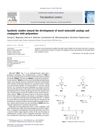
research Synthetic studies toward the development of novel minoxidil analogs and conjugates with polyamines
New minoxidil compounds with better water solubility were made, but their full effects and safety need more research.
research Topically Applied Minoxidil in Baldness
Minoxidil, when applied to the scalp, can stimulate hair growth but effects vary, stop if treatment ends, and it may cause side effects like fluid retention.