November 2024 in “Journal of Investigative Dermatology” Skin and hair cells release serotonin and histamine naturally, which could help improve skin health.
Collaboration among experts is crucial to design hydrogels that improve immune therapies.
189 citations
,
May 1999 in “Microscopy Research and Technique” Neurotrophins, especially NGF, are crucial for pain development and management.
 April 2018 in “Journal of Investigative Dermatology”
 The research found that blocking a gene called NEMO can potentially prevent harmful effects of aging at the cellular level.
Sensory neuron remodeling and Merkel-cell changes in the skin happen independently.
Sensory neuron and Merkel cell changes in the skin happen independently during normal skin maintenance.
Sensory neurons and Merkel cells remodel at different rates during normal skin maintenance.
19 citations
,
July 2023 in “Neuroscience & Biobehavioral Reviews” Endogenous neurosteroids may set a baseline mood.
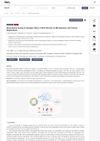
The nail immune system is similar to hair but different from skin, with fewer immune markers.
 5 citations
,
December 2022 in “Toxins”
5 citations
,
December 2022 in “Toxins” Neurotoxins can affect neurotransmitter release and have potential in treating muscle, pain, and cancer conditions, but more research is needed on how they work.
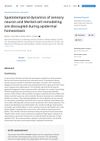
Sensory neuron changes and Merkel-cell changes in the skin happen independently during normal skin maintenance.
August 2023 in “Stem cell reviews and reports” 1 citations
,
May 2008 in “Journal of Experimental Biology” Different species have unique sensory adaptations to perceive their environments.
46 citations
,
October 2018 in “Neuroscience Bulletin”  4 citations
,
November 2016 in “Pediatric Clinics of North America”
4 citations
,
November 2016 in “Pediatric Clinics of North America” The document explains the difficulty in diagnosing and treating brain diseases caused by the immune system and stresses the need for quick and accurate tests.
 101 citations
,
January 1997 in “Journal of Investigative Dermatology Symposium Proceedings”
101 citations
,
January 1997 in “Journal of Investigative Dermatology Symposium Proceedings” Nerves and chemicals in the body can affect hair growth and loss.
 January 2026 in “Mendeley Data”
 Hair follicle stem cell exosomes help nerve regeneration.
 35 citations
,
November 2019 in “Frontiers in Neuroendocrinology”
35 citations
,
November 2019 in “Frontiers in Neuroendocrinology” Men and women have different levels and production of brain steroids, which may affect their risk for certain brain disorders.
19 citations
,
September 2006 in “Journal of Neurophysiology” Neurosteroids help balance brain signals when certain inhibitions are reduced.
 August 2026 in “Mendeley Data”
 Hair follicle stem cells and their exosomes help repair nerve injuries.
 October 2021 in “Journal of Investigative Dermatology”
 The study concluded that the developed models are effective for studying hair growth mechanisms and testing new treatments.
 15 citations
,
December 2015 in “PLoS ONE”
15 citations
,
December 2015 in “PLoS ONE” Fibroblasts can be mistaken for neural cells, so functional validation is needed.
 January 2026 in “Mendeley Data”
 Hair follicle stem cell exosomes help nerve regeneration.
Meis2 is essential for touch sensation and nerve function in mice.
2 citations
,
July 2020 in “bioRxiv (Cold Spring Harbor Laboratory)” Neural stem cells use local feedback to maintain balance in the adult brain.
52 citations
,
January 2023 in “Annual Review of Immunology” Immune-epithelial interactions are crucial for tissue repair, but unchecked can cause diseases.
September 2004 in “Experimental Dermatology” Stress increases nerve growth factor, causing hair loss in mice.
 123 citations
,
December 2015 in “Journal of Neuroendocrinology”
123 citations
,
December 2015 in “Journal of Neuroendocrinology” New targets for making and using brain-synthesized steroids could lead to better treatments for brain disorders and alcoholism.
September 2002 in “Epiliepsy currents/Epilepsy currents” Stress increases neurosteroids that help prevent seizures.
miR-214-3p helps nerve repair and recovery.