11 citations
,
May 2024 in “Reproductive Biology and Endocrinology” Fetal ovaries produce different hormones than adult ovaries, and endocrine-disrupting chemicals may affect this process.

The document's conclusion cannot be provided because the document is not available or cannot be read.
16 citations
,
November 2018 in “The journal of pain/Journal of pain” 14,15-EET may help reduce poststroke pain by affecting certain brain proteins.
January 2004 in “Data Archiving and Networked Services (DANS)” Finasteride blocks progesterone's effect on brain activity linked to epilepsy.
 April 1992 in “Current opinion in therapeutic patents”
 New steroids were patented as effective for treating acne, hair loss, and other conditions related to hormones.
November 2010 in “International Journal of Developmental Neuroscience” September 2004 in “Experimental Dermatology” Stress and certain chemicals affect hair growth by interacting with the immune and nervous systems.
 15 citations
,
April 2008 in “Steroids”
15 citations
,
April 2008 in “Steroids” The more lipophilic the progesterone derivative, the better it binds to androgen receptors and has antiandrogenic effects.
6 citations
,
August 2020 in “International Research Journal on Advanced Science Hub” The niosomal gel effectively delivers testosterone through the skin with fewer side effects.
22 citations
,
June 2002 in “Journal of Medicinal Chemistry” Compounds 15, 20, and 25 are strong inhibitors of human steroid 5α-reductase type 2.
15 citations
,
November 2007 in “Journal of Neurochemistry” Stopping alcohol after long-term use causes anxiety and changes brain chemicals.

Blocking 11β-HSD1 reduces stress hormone damage in hair growth cells.
1 citations
,
June 2024 in “Skin Research and Technology” Human dermal fibroblast proteins help restore nerves during healing.
5 citations
,
June 2010 in “Universitas Psychologica” Progesterone helps protect against stress-related memory and behavior issues in rats.
 20 citations
,
June 2007 in “Recent Patents on Endocrine, Metabolic & Immune Drug Discovery”
20 citations
,
June 2007 in “Recent Patents on Endocrine, Metabolic & Immune Drug Discovery” Certain inhibitors can potentially treat prostate cancer and other hormone-dependent conditions by controlling sex hormone levels in cells.
289 citations
,
May 2003 in “Journal of Investigative Dermatology” Human skin can produce steroids from cholesterol.
 66 citations
,
July 2007 in “Journal of Molecular Medicine”
66 citations
,
July 2007 in “Journal of Molecular Medicine” Stress increases certain chemicals in the skin and nerves, which might worsen skin conditions.
 1 citations
,
March 2012 in “Journal of Dermatological Science”
1 citations
,
March 2012 in “Journal of Dermatological Science” Testosterone, progesterone, and levonorgestrel change enzyme levels related to fat production in hamster skin, which could affect skin oil and acne.
 17 citations
,
February 2019 in “Journal of steroid biochemistry and molecular biology/The Journal of steroid biochemistry and molecular biology”
17 citations
,
February 2019 in “Journal of steroid biochemistry and molecular biology/The Journal of steroid biochemistry and molecular biology” AKR1D1 controls glucocorticoid levels and receptor activity in liver cells.
35 citations
,
July 2022 in “Frontiers in Integrative Neuroscience” Formononetin may help protect the brain and treat neurological diseases.
 42 citations
,
March 2008 in “Molecular and Cellular Endocrinology”
42 citations
,
March 2008 in “Molecular and Cellular Endocrinology” Hormones and neuroendocrine factors control hair growth and color, and more research could lead to new hair treatment options.
 59 citations
,
January 2005 in “Endocrine Journal”
59 citations
,
January 2005 in “Endocrine Journal” Sex steroids influence skin appendage function and neoplasm development, with changes in AR and ERalpha in certain gland neoplasms.
 3 citations
,
May 1990 in “Journal of Steroid Biochemistry”
3 citations
,
May 1990 in “Journal of Steroid Biochemistry” Some women with excess hair growth have a hormone condition that can't be diagnosed by blood or urine tests alone.
 5 citations
,
January 2017 in “Molecular Medicine Reports”
5 citations
,
January 2017 in “Molecular Medicine Reports” Human hair follicle cells can be turned into neural stem cell-like cells, which might help treat brain diseases.
September 2012 in “European journal of psychotraumatology” A new method accurately measures long-term hormone levels in hair.
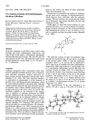 December 1998 in “Acta Crystallographica Section C-crystal Structure Communications”
 A new compound with strong antiandrogenic effects was found, potentially useful for treating conditions like acne and prostate cancer.
 47 citations
,
September 2016 in “Reviews in endocrine and metabolic disorders”
47 citations
,
September 2016 in “Reviews in endocrine and metabolic disorders” The skin's ability to produce hormones is linked to various skin conditions, and better understanding this process could lead to new treatments.
 41 citations
,
March 2007 in “Steroids”
41 citations
,
March 2007 in “Steroids” New methods to make oxasteroids show promise for medical treatments like osteoporosis and breast cancer.
 25 citations
,
June 2019 in “Endocrine Related Cancer”
25 citations
,
June 2019 in “Endocrine Related Cancer” Mutations in certain receptors can cause diseases and offer new treatment options.
28 citations
,
November 2009 in “European Journal of Neuroscience” Progesterone and allopregnanolone increase glycine release in rat brain cells.