26 citations
,
May 2024 in “Molecular Neurodegeneration” H1 increases risk for neurodegenerative diseases, while H2 offers protection but is linked to other disorders.
 April 2018 in “Radiotherapy and Oncology”
 Mitochondria may influence how cells respond to radiation, affecting nearby non-irradiated cells.
1 citations
,
July 2020 in “Acta Neuropsychologica” Valproic acid effectively reduces aggressive and impulsive behaviors in brain injury patients with acceptable side effects.
79 citations
,
January 1975 in “Food and Cosmetics Toxicology” The hair dye formulations tested did not cause long-term toxicity or cancer in mice.
6 citations
,
April 2019 in “Pesquisa Veterinária Brasileira” Milk can carry harmful plant toxins that pose health risks to animals and humans.
 September 2025 in “Dicle Medical Journal / Dicle Tip Dergisi”
 Skin issues are common in people with neurodegenerative diseases.
35 citations
,
September 2009 in “Psychoneuroendocrinology” Early-life neurosteroid changes affect adolescent exploration and adult behavior.
 66 citations
,
July 2007 in “Journal of Molecular Medicine”
66 citations
,
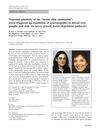
July 2007 in “Journal of Molecular Medicine” Stress increases certain chemicals in the skin and nerves, which might worsen skin conditions.
January 2009 in “IRIS UNIMORE (University of Modena and Reggio Emilia)” Neurosteroids from glia cells help control seizure development in epilepsy.
August 2013 in “Toxicology letters” Neurosteroids help control dopamine responses in the brain.
 July 2023 in “Skin health and disease”
 Most UK survey participants had negative side effects from botulinum toxin injections, with many not fully recovering physically, emotionally, or financially.
11 citations
,
July 2015 in “Frontiers in Cellular Neuroscience” Corticosterone makes ethanol more effective at blocking brain processes important for learning and memory.
 11 citations
,
September 2011 in “Biochemical journal”
11 citations
,
September 2011 in “Biochemical journal” Neurotrophin-4 increases calcium current in specific mouse neurons through the PI3K pathway.
 12 citations
,
March 2018 in “Analytical chemistry”
12 citations
,
March 2018 in “Analytical chemistry” Researchers created a new method to measure brain steroids, finding higher levels of certain steroids and changes due to a drug.
 114 citations
,
March 2002 in “Current opinion in oncology/Current opinion in oncology, with cancerlit”
114 citations
,
March 2002 in “Current opinion in oncology/Current opinion in oncology, with cancerlit” Cancer therapy can cause various skin problems, including hair loss, skin darkening, painful hand-foot syndrome, and severe skin damage.
 55 citations
,
November 2004 in “Expert opinion on drug safety”
55 citations
,
November 2004 in “Expert opinion on drug safety” Chemotherapy often causes hair loss, nail changes, and mouth issues, but these are usually manageable.
8 citations
,
February 2013 in “Neuroscience Letters” Allopregnanolone may help prevent nicotine withdrawal symptoms.
January 2017 in “Corpus Université Laval (Université Laval)” Dutasteride may protect brain cells in early Parkinson's, while progesterone helps neuron recovery.
 6 citations
,
February 2022 in “The journal of neuroscience/The Journal of neuroscience”
6 citations
,
February 2022 in “The journal of neuroscience/The Journal of neuroscience” Deleting the PTEN gene in mice causes nerve cells to grow larger and heal better after injury, but may cause overgrowth and hair loss in older mice.
January 2023 in “Cutaneous and Ocular Toxicology”  January 2017 in “Brazilian Journal of Pharmaceutical Sciences”
 Arteannuin might work against cancer and Alzheimer's by targeting neprilysin.
12 citations
,
January 2011 in “Journal of the Saudi Society of Dermatology & Dermatologic Surgery” Thallium poisoning from contaminated cake caused severe health issues in Baghdad, highlighting the need to ban thallium as a rodenticide.
 26 citations
,
June 2005 in “Journal of The American Academy of Dermatology”
26 citations
,
June 2005 in “Journal of The American Academy of Dermatology” Some patients receiving pegylated interferon alfa injections developed skin necrosis, requiring treatment adjustments or discontinuation.
Bioactive compounds in neurocosmetics can improve skin health and emotional well-being.
 4 citations
,
March 1989 in “The BMJ”
4 citations
,
March 1989 in “The BMJ” Naproxen is not the cause of hair loss in a child; it's due to a toxic event with expected hair regrowth.
 269 citations
,
May 2002 in “Journal of Neuroscience”
269 citations
,
May 2002 in “Journal of Neuroscience” Stress increases neurosteroids that help prevent seizures.
October 2024 in “Frontiers in Immunology” Pertussis toxin may contribute to hair loss in alopecia areata.
17 citations
,
May 1995 in “Anatomy and Embryology” Injecting 6-OHDA in newborn mice delays hair growth and thins skin.