 2 citations
,
January 2018 in “Elsevier eBooks”
2 citations
,
January 2018 in “Elsevier eBooks” Lipid nanoparticles improve drug delivery through the skin, offering stability, controlled release, and better compatibility with skin.
 60 citations
,
January 2023 in “Biomaterials Science”
60 citations
,
January 2023 in “Biomaterials Science” PLGA-based microneedles are promising for safe and effective skin delivery of drugs and vaccines.
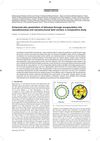 15 citations
,
May 2016 in “Die Pharmazie”
15 citations
,
May 2016 in “Die Pharmazie” Nanostructured lipid carriers deliver lidocaine to the skin better than nanoethosomes.

Type II spiral ganglion neurites avoid high concentrations of laminin and fibronectin.
July 2021 in “Authorea (Authorea)” Graham-Little Piccardi Lassueur Syndrome is a rare skin condition with specific hair loss and skin symptoms.
 April 2026 in “Diagnostics”
 Collagenous gastritis is a rare condition causing chronic diarrhea and weight loss, often misdiagnosed due to nonspecific symptoms.
10 citations
,
August 2024 in “Chemical Engineering Journal” The ATAN-Met hydrogel helps heal infected diabetic wounds by promoting tissue regeneration and fighting bacteria.
7 citations
,
May 2024 in “Gels” The new collagen and tannic acid hydrogel effectively stops bleeding and aids tissue repair better than current options.
5 citations
,
May 2024 in “Molecules” Glycyrrhetinic acid from licorice may help treat acne by reducing inflammation and oil production.
January 2025 in “Analytical Methods” A new fluorescent material can detect dextran sulfate sodium, turning green when present, useful for forensic and environmental monitoring.
 October 2025 in “Advanced Healthcare Materials”
 The hydrogels improve wound healing and tissue regeneration better than traditional treatments.
 9 citations
,
June 2021 in “International Journal of Pharmaceutics”
9 citations
,
June 2021 in “International Journal of Pharmaceutics” Using polymeric micelles to deliver spironolactone topically could improve wound healing in skin affected by glucocorticoids.
 6 citations
,
April 2022 in “Advanced Pharmaceutical Bulletin”
6 citations
,
April 2022 in “Advanced Pharmaceutical Bulletin” Cefazolin-loaded nanoparticles in nanofibers can help heal wounds and support regeneration.
7 citations
,
October 2024 in “Pharmaceutics” Clindamycin-loaded nanoparticles effectively treat MRSA-infected wounds and promote healing.

Peptide hydrogels show promise for healing skin, bone, and nerves but need improvement in stability and compatibility.
 4 citations
,
July 2024 in “Cureus”
4 citations
,
July 2024 in “Cureus” The treatment improved neck wrinkles and skin laxity.
1 citations
,
January 2025 in “ARC Journal of Dermatology”  2 citations
,
January 2011 in “Dermatologica Sinica”
2 citations
,
January 2011 in “Dermatologica Sinica” Taiwan reported its first case of a rare scalp condition with no clear cause or treatment.
April 2025 in “Frontiers in Bioengineering and Biotechnology” Gel-SHP helps skin heal faster.
November 2025 in “Journal of Investigative Dermatology” BTNL2 helps protect hair follicles from immune attacks.

L-PGDS has specific binding sites for its functions and could help in drug delivery system design.
15 citations
,
August 2019 in “F1000Research” CMG2 and TEM8 receptors have distinct roles in skin and growth disorders, affecting collagen breakdown and growth.
3 citations
,
July 2025 in “Stem Cell Research & Therapy” lncRNA VIM-AS1 helps heal diabetic wounds by boosting energy production and reducing cell aging.
24 citations
,
January 2023 in “International Journal of Nanomedicine” Biomembrane-based hydrogels can effectively promote chronic wound healing.
January 2025 in “Repository of Digital Objects for Teaching Research and Culture (University of Valencia)” Non-coding RNAs may be key in diagnosing and treating rare skin disorders.
 April 2017 in “Journal of Investigative Dermatology”
 Certain mutations in the KLHL24 gene cause a skin disorder by breaking down an important skin protein.
7 citations
,
November 2025 in “Pharmaceutics” Polymer- and lipid-based nanostructures can improve wound healing by controlling contamination, supporting cell growth, and aiding tissue repair.
1 citations
,
June 2024 in “Skin Research and Technology” Human dermal fibroblast proteins help restore nerves during healing.
 February 2023 in “Journal of Ginseng Research/Journal of ginseng research”
 New ginseng compounds may help treat degenerative diseases.
31 citations
,
January 2007 in “Journal of the American Academy of Dermatology” A rare skin growth was successfully removed without recurrence after one year.