October 2017 in “Data Archiving and Networked Services (DANS)” Current SLE classifications need refinement, and the complement system is a key therapeutic target.
June 2020 in “Research Square (Research Square)” The study found key long non-coding RNAs involved in yak hair growth cycles.
 November 2023 in “International Journal of Infectious Diseases”
 A girl with head lice was successfully treated with sulfur ointment and hair shaving.
7 citations
,
May 1978 in “Acta Dermato Venereologica” A 36-year-old man had unusual skin lesions on his face without hair loss.
June 2026 in “Experimental Dermatology” Laminin-332 is vital for skin health, repair, and disease prevention.
9 citations
,
June 2019 in “JAAD case reports” Laser hair removal can help treat acne keloidalis nuchae, but results vary and a standard scoring system is needed.
July 2024 in “Journal of Investigative Dermatology” DS-2325a is safe and well-tolerated, supporting further development for Netherton Syndrome treatment.
September 2023 in “Journal of the American Academy of Dermatology” Low-dose oral naltrexone may help reduce inflammation in some scarring alopecia patients.
35 citations
,
September 2009 in “Development” Necl2 affects skin cell behavior and slows wound healing.
January 2024 in “Wiadomości Lekarskie” National data helps improve palliative care by highlighting and addressing inequalities.
May 2025 in “Oral Sciences Reports” A lip nodule from a filler injection was successfully removed with surgery.
 5 citations
,
January 2024 in “The International Journal of Developmental Biology”
5 citations
,
January 2024 in “The International Journal of Developmental Biology” Mouse models help target specific genes in lymphatic cells for research.
3 citations
,
October 2019 in “EMBO molecular medicine” Targeting NCoR1 can help treat heart enlargement and dysfunction.
 17 citations
,
June 2020 in “Animals”
17 citations
,
June 2020 in “Animals” lncRNAs may regulate hair follicle development in Hu sheep.
February 2024 in “International journal of molecular sciences” Type 3 Innate Lymphoid Cells help maintain skin health and balance, and are involved in skin diseases and healing.
 November 1996 in “Hair transplant forum international”
 The document's conclusion cannot be provided because the document is not accessible.
22 citations
,
September 2011 in “Journal of Investigative Dermatology” TCF/Lef1 is essential for skin barrier function by regulating lipid metabolism.
7 citations
,
October 2023 in “BMC Genomics” Noncoding RNAs help determine cashmere quality in goats.
June 2024 in “Cermin Dunia Kedokteran” Low level laser therapy is effective and safe for various skin and hair conditions.
9 citations
,
March 2017 in “Journal of Visualized Experiments” The assay effectively identifies compounds that affect immune cell activation.
December 2021 in “Morphologia” Neural crest cells could be used in regenerative medicine due to their ability to become different cell types.
June 2013 in “Annals of the Rheumatic Diseases” Specialist nurses play a crucial role in managing lupus and empowering patients.
Lichen spinulosus, usually seen in young people, can rarely occur in adults, as shown by a 52-year-old woman with a rough, bumpy rash.
 21 citations
,
October 2013 in “Molecular Biology of the Cell”
21 citations
,
October 2013 in “Molecular Biology of the Cell” The protein CCN2 controls hair growth by affecting hair follicle formation and stem cell activity in mice.
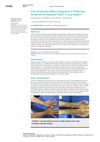
Doctors should consider Netherton syndrome in patients with chronic skin and hair issues to avoid misdiagnosis.
5 citations
,
June 2015 in “The Journal of Dermatology” HTLV-1-associated lichenoid dermatitis (HALD) is linked to an immune response against HTLV-1-infected cells.
Low-level laser therapy reduces symptoms and inflammation in frontal fibrosing alopecia.
July 2017 in “Journal of the Dermatology Nurses’ Association” The convention highlighted knowledge sharing, networking, and the importance of active participation in dermatology.
 April 2016 in “Journal of The American Academy of Dermatology”
 Lichen planus may be associated with a higher risk of metabolic syndrome.
 January 2014 in “Durham e-Theses (Durham University)”
 Notch1 helps skin heal by attracting cells that aid repair.