December 2025 in “Biomedicine & Pharmacotherapy” Melamax® protects skin from UV damage and reduces inflammation and oxidative stress.
 November 2025 in “Journal of Nanobiotechnology”
 A new treatment using special nanovesicles with linoleic acid shows promise in improving hair growth and reducing irritation for hair loss.
November 2025 in “Journal of Investigative Dermatology” A new genetic mutation causing Xeroderma Pigmentosum was found in an 8-year-old girl, affecting her DNA repair.
October 2025 in “Actas Dermo-Sifiliográficas” RF-mesotherapy with bicalutamide may be a promising new treatment for hair loss.
September 2025 in “Pharmaceutics” Quercetin nanocrystal gel shows promise for hair regrowth in androgenetic alopecia.
September 2025 in “Chemical Engineering Journal” A new sustainable polyester is tough, recyclable, biodegradable, and aids wound healing, supporting a circular economy.
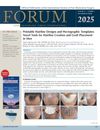 September 2025 in “International Society of Hair Restoration Surgery”
 Printable templates improve hair transplant accuracy and efficiency.
 August 2025 in “Journal of Cosmetic Dermatology”
 The dietary supplement AGA-P improves the effectiveness of hair loss treatments.
August 2025 in “Journal of Polymer Science” AcD scaffolds improve tissue repair and regeneration by combining stem cells with a supportive matrix.
 July 2025 in “Frontiers in Medicine”
 Baricitinib successfully regrew hair in an 8-year-old boy with alopecia totalis linked to a KRT74 gene variant.
July 2025 in “Human Genomics” New LSS gene variants help understand congenital hypotrichosis 14 better.
 July 2025 in “Journal of Investigative Dermatology”
 5% ET-02 is a more effective and safe treatment for hair loss than current options.
July 2025 in “Future Journal of Pharmaceuticals and Health Sciences” Polyherbal chocolate may help manage PCOS symptoms.
June 2025 in “British Journal of Dermatology” The new AI software predicts melanoma outcomes more accurately than traditional methods.

Crown-X may effectively restore hair in male pattern baldness using menstrual stem cells.
 May 2025 in “Frontiers in Genetics”
 A new genetic variant in the LIPH gene causes hair growth issues in a Chinese patient.
May 2025 in “Experimental Dermatology” A new genetic tool improves the study of hair growth and potential hair disorder treatments.
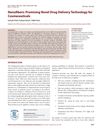 April 2025 in “Indian Journal of Pharmaceutical Education and Research”
 Nanofibers improve skincare products by enhancing drug delivery and hydration.
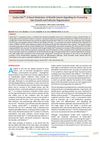 April 2025 in “International Journal of Pharmaceutical Sciences Review and Research”
 SesZen-Bio™ may be a promising and safer option for promoting hair growth.
The treatment showed promising hair regrowth in advanced-stage hair loss.
 March 2025 in “Clinical Cosmetic and Investigational Dermatology”
 The Tru9I variant in the VDR gene may influence alopecia areata risk and vitamin D levels.
 February 2025 in “Archives of Dermatological Research”
 Polynucleotides effectively promote hair regrowth in androgenetic alopecia without serious side effects.
New therapies like JAK inhibitors, PRP, and stem cell treatments show promise for better alopecia management.
 January 2025 in “Regenerative Biomaterials”
 The hydrogel helps reduce scarring and improve wound healing by releasing salvianolic acid B in acidic conditions.
 January 2025 in “The Pharma Innovation”
 Nanospanlastic vesicles can improve glaucoma treatment by enhancing drug delivery to the eye.
January 2025 in “Genetics in Medicine Open” A new gene variant in a girl with Coffin-Lowry Syndrome may link the condition to early puberty.
 December 2024 in “Journal of Cutaneous and Aesthetic Surgery”
 Dermoscopy effectively assesses and improves acne scar treatments.
 December 2024 in “Journal of Medicinal Chemistry”
 A new topical treatment for hair loss shows promise by targeting androgen receptors.
 October 2024 in “Annals of Allergy Asthma & Immunology”
 Anaphylaxis from cow's milk allergy can cause temporary hair loss in children.
October 2024 in “Frontiers in Oncology” A new gene mutation linked to Olmsted syndrome may increase cancer risk, suggesting the need for ongoing patient monitoring.