 1 citations
,
November 2011 in “Open access journal of contraception”
1 citations
,
November 2011 in “Open access journal of contraception” Birth control pills with low-dose estrogen and antiandrogenic progestins can effectively treat acne.
 October 2024 in “Open Repository of the University of Porto (University of Porto)”
 Pharmacists play a crucial role in personalized care and medication management.
 January 2023 in “Research Square (Research Square)”
 Hair cortisol may be a good indicator of recent mood in people with bipolar disorder.
 January 2022 in “Acta dermatovenerologica Alpina, Pannonica et Adriatica (Tiskana izd.)”
 Uncombable hair syndrome causes frizzy hair and can affect the nervous system, eyes, and ears, often co-occurring with other hair, skin, nail, and teeth conditions, and is linked to three specific gene mutations.
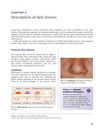
The document explains different types of skin lesions and their characteristics, causes, and related conditions.
 July 2015 in “Cambridge University Press eBooks”
 Androgens like testosterone affect skin health and can lead to conditions such as acne and hair loss, with various treatments available.

Recent research on androgenetic alopecia focuses on optimizing treatments, with promising new therapies emerging.
11 citations
,
January 2010 in “Springer eBooks” 68 citations
,
May 2024 in “International Journal of Molecular Sciences” Personalized acne treatments and new therapies show promise for better results.
 4 citations
,
January 2019 in “Annals of Dermatology”
4 citations
,
January 2019 in “Annals of Dermatology” RE-ORGA, a Korean herb extract, may help prevent hair loss.
2 citations
,
May 2020 in “The journal of investigative dermatology/Journal of investigative dermatology” A TP63 gene mutation causes significant hair loss and mild skin, nail, and tooth abnormalities.
 August 2023 in “Medicina-lithuania”
 Abusing steroids can damage your heart, muscles, reproductive system, liver, skin, and brain, and may increase the risk of Alzheimer's disease.
3 citations
,
September 2025 in “Cosmetics” Extracellular vesicles could revolutionize skincare by improving skin repair and anti-aging, but face regulatory and cost challenges.
233 citations
,
March 2009 in “Journal of Clinical Oncology” Chemotherapy reduces taste and smell, but they mostly recover after treatment; adding spices may help improve appetite.
231 citations
,
December 1999 in “Journal of Investigative Dermatology” Hair follicle size is mainly influenced by the number of cells and extracellular matrix volume, with cell number having a larger impact.
104 citations
,
June 2020 in “Journal of Endocrinology” Hyperandrogenism and insulin resistance in PCOS-like rats can lead to pregnancy complications due to increased cell death in the uterus and placenta.
89 citations
,
August 2013 in “PloS one” Androgen receptors are active in many tissues of both male and female mice, not just reproductive organs.
67 citations
,
August 2005 in “Journal of Investigative Dermatology Symposium Proceedings” Androgens promote beard growth but cause hair loss in androgenetic alopecia, with TGF-β1 as a potential treatment target.
53 citations
,
November 2021 in “Molecular Human Reproduction” N-acetylcysteine may help treat uterine and placental issues in PCOS.
 50 citations
,
February 2013 in “Annals of Clinical Biochemistry”
50 citations
,
February 2013 in “Annals of Clinical Biochemistry” Understanding how DHT works is important for diagnosing and treating hormone-related disorders.
47 citations
,
July 2023 in “Nature Genetics” 37 citations
,
May 2021 in “Frontiers in Cell and Developmental Biology” Ng2+ perivascular cells in mouse skin come from specific fibroblast types and help in tissue repair.
36 citations
,
January 2016 in “The journal of investigative dermatology/Journal of investigative dermatology” The document concludes that understanding genetic mutations in the PI3K-AKT-mTOR pathway can lead to better diagnosis and treatment for certain genetic skin disorders.
 26 citations
,
July 2019 in “Dermatology and Therapy”
26 citations
,
July 2019 in “Dermatology and Therapy” The conclusion is that genetic testing is important for diagnosing and treating various genetic hair disorders.
25 citations
,
July 1994 in “Journal of dermatological science” Testosterone affects hair follicles differently across body sites, with beard hair follicles showing more activity of a specific enzyme and presence of androgen receptors compared to scalp hair.
 18 citations
,
March 2016 in “Cosmetics”
18 citations
,
March 2016 in “Cosmetics” Telogen Effluvium is a condition causing excessive hair loss due to stress, illness, drugs, or hormonal changes, and can be treated with specific products or naturally resolves after 3-4 years.
 13 citations
,
September 2021 in “Current Issues in Molecular Biology”
13 citations
,
September 2021 in “Current Issues in Molecular Biology” Dexpanthenol helps human hair follicle cells grow by preventing aging and death, and by supporting growth signals.
 8 citations
,
April 2022 in “The journal of investigative dermatology/Journal of investigative dermatology”
8 citations
,
April 2022 in “The journal of investigative dermatology/Journal of investigative dermatology” Certain genetic changes in the LSS gene cause a rare skin and hair condition.
 3 citations
,
January 2022 in “Scientific Reports”
3 citations
,
January 2022 in “Scientific Reports” A new treatment called SAMiRNA-AR68 increases hair count in people with hair loss, showing similar results to existing treatments but without side effects.
2 citations
,
October 2023 in “Biology” Cobalt is important for health but too much or too little can cause health problems, and its environmental buildup is a concern.