 December 2025 in “Russian Journal of Skin and Venereal Diseases”
 Thinner hair follicle structures are linked to non-scar alopecia.
 July 2021 in “Aesthetic Surgery Journal”
 Using lasers and fat grafting before hair transplant improves hair growth on scarred skin.
 8 citations
,
January 2015 in “Scars, burns & healing”
8 citations
,
January 2015 in “Scars, burns & healing” Hair transplantation effectively treats burn scar alopecia, improving self-esteem and confidence.
 September 2024 in “Zagazig University Medical Journal”
 PRP did not significantly improve hair restoration results but improved scar tissue quality.
 January 2022 in “Przegla̧d dermatologiczny”
 The document concludes that there are various treatments for diseases linked to scarring hair loss, especially for primary scarring alopecia.
 3 citations
,
December 2022 in “Cells”
3 citations
,
December 2022 in “Cells” Cannabinoids like CBD and THC may help treat non-cancer skin diseases, but more research is needed.
 38 citations
,
December 2012 in “Journal of Cutaneous Pathology”
38 citations
,
December 2012 in “Journal of Cutaneous Pathology” EVG staining is a valuable, simple, and cost-effective method for diagnosing various skin conditions in dermatopathology.
 80 citations
,
March 2000 in “Journal of cutaneous pathology”
80 citations
,
March 2000 in “Journal of cutaneous pathology” The VVG stain effectively differentiates scar tissue from normal skin and helps classify types of permanent alopecia.
 August 2024 in “Journal of Small Animal Practice”
 A cat lost hair on its back a month after a road accident, despite no initial skin injuries.
 September 2021 in “CRC Press eBooks”
 Lupus can cause a type of hair loss that doesn't scar, due to inflammation.
 January 2013 in “Revista brasileira de medicina”
 The study concluded that hair loss treatments should be tailored to the specific type of alopecia and individual patient needs.
 June 2026 in “Journal of Cutaneous and Aesthetic Surgery”
 FUE is effective for improving hair regrowth and appearance in scarred areas.
 1 citations
,
April 2017 in “Journal of Investigative Dermatology”
1 citations
,
April 2017 in “Journal of Investigative Dermatology” D-OCT shows increased blood vessel growth in response to tissue damage in Frontal Fibrosing Alopecia and is useful for diagnosis and monitoring.
More research is needed to confirm PRP's effectiveness for scarring alopecia.
 March 2022 in “IntechOpen eBooks”
 Botulinum Neurotoxin-A can treat acne, oily skin, rosacea, hair loss, prevent scars, relieve nerve pain, reduce excessive sweating, and manage psoriasis, but more trials are needed to confirm its effectiveness.
 January 2022 in “Consultant”
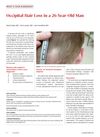
 The man's occipital hair loss was due to temporal triangular alopecia, not alopecia areata.
 16 citations
,
November 2019 in “Dermatologic Surgery”
16 citations
,
November 2019 in “Dermatologic Surgery” Platelet-rich plasma is most effective for hair loss treatment and shows promise for skin healing and rejuvenation, but more standardized research is needed.
 July 2015 in “Hair transplant forum international”
 Facial hair transplants are generally successful, with hair growth beginning around 3 months post-surgery.
 April 2008 in “Medical & surgical dermatology”
 Certain hairstyles can cause scalp diseases, smoking is linked to hair loss, 5% minoxidil foam is effective for hair loss treatment, and various factors influence wound healing and hair growth.

Scalp micropigmentation usually needs two to three sessions, but factors like genetics, coverage area, and health conditions can require more.
 5 citations
,
February 2019 in “Oral and Maxillofacial Surgery”
5 citations
,
February 2019 in “Oral and Maxillofacial Surgery” Hair loss can be reversed or even cured using advanced hair restoration techniques, with rare complications like swelling and bleeding.
 January 2017 in “Lasers in Surgery and Medicine”
 The 2017 issue emphasized progress in laser and energy-based skin treatments, but noted the need for more research on certain procedures and technologies.
9 citations
,
January 2023 in “Indian Dermatology Online Journal” Medical aesthetics now helps treat medical conditions, expanding options for dermatologists.
16 citations
,
March 2025 in “International Journal of Molecular Sciences” Extracellular vesicles show promise in skin treatments but need more research and standardization.
 122 citations
,
April 1995 in “Journal of Cutaneous Pathology”
122 citations
,
April 1995 in “Journal of Cutaneous Pathology” The document describes how to tell different types of non-scarring hair loss apart by looking at hair and scalp tissue under a microscope.
 24 citations
,
September 2018 in “Lasers in Surgery and Medicine”
24 citations
,
September 2018 in “Lasers in Surgery and Medicine” Multiphoton microscopy can non-invasively tell apart scarring from non-scarring hair loss and could aid in treatment.

The document concludes that non-endocrine alopecia in pets varies in treatment effectiveness and often has a poor prognosis, especially in cats.
 28 citations
,
January 2015 in “Journal der Deutschen Dermatologischen Gesellschaft”
28 citations
,
January 2015 in “Journal der Deutschen Dermatologischen Gesellschaft” Women with scarring alopecia have a lower quality of life and more anxiety and depression than those with non-scarring alopecia.
 29 citations
,
July 2008 in “Journal of Cutaneous Pathology”
29 citations
,
July 2008 in “Journal of Cutaneous Pathology” Hair root sheaths are more common in non-scarring hair loss and help diagnose the type of hair loss.
 17 citations
,
May 2016 in “Archives of Dermatological Research”
17 citations
,
May 2016 in “Archives of Dermatological Research” Reflectance confocal microscopy can help tell apart scarring from non-scarring hair loss.