 January 2022 in “Przegla̧d dermatologiczny”
 The document concludes that there are various treatments for diseases linked to scarring hair loss, especially for primary scarring alopecia.
 March 2021 in “CRC Press eBooks”
 Hair loss without scarring is more common than permanent hair loss with scarring, and is often due to genetic factors.
December 2020 in “Journal of Face Aesthetics” Trichoscopy effectively helps diagnose different types of hair loss in women.
 October 2018 in “InTech eBooks”
 The most effective treatments for hair loss are minoxidil, finasteride, PRP, and hair transplants, with steroids and immunosuppressants for autoimmune types.
Alopecia areata is reversible because hair follicles can regenerate due to stem cells.
 February 2014 in “Medicine - Programa De Formación Médica Continuada Acreditado”
 The document concludes that non-scarring alopecias can be reversed, but scarring alopecias cause permanent hair loss.
 January 2014 in “Pathology”
 The document concludes that understanding nail anatomy is key for diagnosing nail diseases, early signs of nail melanoma may allow for less aggressive treatment, and specific genetic mutations are important in thyroid cancer prognosis and treatment.
 January 2013 in “Revista brasileira de medicina”
 The study concluded that hair loss treatments should be tailored to the specific type of alopecia and individual patient needs.
Combining vertical and horizontal sectioning improves scalp biopsy analysis for alopecia.
 90 citations
,
June 2006 in “The American Journal of Dermatopathology”
90 citations
,
June 2006 in “The American Journal of Dermatopathology” The document concludes that accurate diagnosis of different types of hair loss requires careful examination of hair and scalp tissue, considering both clinical and microscopic features.
 33 citations
,
April 2012 in “British Journal of Dermatology”
33 citations
,
April 2012 in “British Journal of Dermatology” Damaged hair follicle stem cells can cause permanent hair loss, but understanding their role could lead to new treatments.
 6 citations
,
April 2015 in “Infection”
6 citations
,
April 2015 in “Infection” Treatment with benzylpenicillin and prednisolone cured the patient's syphilis and hair loss.
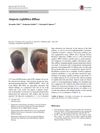
January 2022 in “Skin Appendage Disorders” Areata-like lupus can mimic alopecia areata but is a form of cutaneous lupus erythematosus.
 January 2018 in “Elsevier eBooks”
 The document concludes that alopecia has various forms, each with specific treatments, but no definitive cure for certain types like CCCA has been proven.
 6 citations
,
March 2019 in “The American Journal of Dermatopathology”
6 citations
,
March 2019 in “The American Journal of Dermatopathology” Amyloid deposits linked to a type of protein may cause a unique pattern of hair loss by disrupting hair growth cycles.
 1 citations
,
June 2022 in “PubMed”
1 citations
,
June 2022 in “PubMed” Alopecia causes hair loss and should be treated early, especially scarring types where hair cannot regrow.
 58 citations
,
January 2018 in “International Journal of Women's Dermatology”
58 citations
,
January 2018 in “International Journal of Women's Dermatology” Alopecia significantly lowers women's quality of life, with psychological and social challenges, highlighting the importance of early treatment and support.
 7 citations
,
November 2000 in “Clinics in Dermatology”
7 citations
,
November 2000 in “Clinics in Dermatology” Most hair loss in children is caused by a few common conditions and is easy to diagnose, but rare types require careful evaluation.
 July 2025 in “Journal of Dermatology for Physician Assistants”
 Specific tests may help diagnose alopecia, but their treatment impact is unclear.

COVID-19 may trigger or worsen rapid hair loss in alopecia areata.
 April 2022 in “Indexia revista médico - científica”
 Alopecia causes sudden hair loss, possibly due to genetic, environmental, or immune factors.
 January 2022 in “Journal of Dermatology and Dermatologic Surgery”
 Trichoscopy is useful for quickly diagnosing different types of hair loss without needing biopsies.
June 2024 in “British Journal of Dermatology” DLQI is a reasonable quality-of-life measure for alopecia patients, but more research is needed.
May 1979 in “Archives of Dermatology” Alopecia can be linked to autoimmune issues, vitiligo, nail problems, and sometimes cancer treatments.
 29 citations
,
January 2017 in “Skin appendage disorders”
29 citations
,
January 2017 in “Skin appendage disorders” Hair loss due to syphilis can be identified using trichoscopy and is treatable with antibiotics.
2 citations
,
May 2023 in “Journal of Indian Society of Periodontology” Dental care may help improve hair loss in alopecia patients.
 2 citations
,
January 2021 in “Przegląd Dermatologiczny (1959)”
2 citations
,
January 2021 in “Przegląd Dermatologiczny (1959)” The article discusses various treatments for different types of non-scarring hair loss.
 44 citations
,
October 2017 in “British Journal of Dermatology”
44 citations
,
October 2017 in “British Journal of Dermatology” Botulinum toxin has potential for treating various skin conditions and improving wound healing.
 March 2021 in “CRC Press eBooks”
 The document concludes that different patterns of hair thickness and scalp changes can help diagnose types of non-scarring hair loss.
January 2022 in “Indian Journal of Paediatric Dermatology” A 13-year-old girl was diagnosed with juvenile lupus, showing only hair loss as a symptom.