
Lasers and energy-based devices effectively and safely improve hair growth in androgenetic alopecia, especially when combined with other treatments.
September 2023 in “Journal of the American Academy of Dermatology” 27 citations
,
July 2013 in “Journal of dermatological treatment” Laser therapy may effectively treat persistent scalp inflammation.
7 citations
,
April 2006 in “Lasers in medical science” Acneform reactions after laser hair removal occur in 6% of cases, mostly mild and short-lived, with higher risk in younger patients, those treated with Nd:YAG laser, and individuals with darker skin.
 14 citations
,
May 2011 in “Facial Plastic Surgery Clinics of North America”
14 citations
,
May 2011 in “Facial Plastic Surgery Clinics of North America” Laser hair removal is effective for dark hair but needs improvement for nonpigmented or fine hairs.
 11 citations
,
January 2015 in “Annals of Dermatology”
11 citations
,
January 2015 in “Annals of Dermatology” Using a hair removal laser can make hairs finer for better hairline correction in hair transplants, with most patients happy and few side effects.
9 citations
,
June 2019 in “JAAD case reports” Laser hair removal can help treat acne keloidalis nuchae, but results vary and a standard scoring system is needed.
11 citations
,
June 2010 in “Dermatologic surgery” The dual-wavelength laser system effectively reduces EFFC symptoms with minimal side effects.
20 citations
,
November 2014 in “JAMA dermatology” The 810-nm diode laser improves skin texture in keratosis pilaris but not redness.
 November 2023 in “Journal of cosmetic dermatology”
 The 595-nm pulsed dye laser effectively reduces symptoms of EFFC with minimal side effects.
 3 citations
,
October 2022 in “Clinical, Cosmetic and Investigational Dermatology”
3 citations
,
October 2022 in “Clinical, Cosmetic and Investigational Dermatology” The 532 nm laser effectively reduces facial vascular and pigmented lesions, with the VISIA system reliably assessing treatment results.
September 2020 in “Journal of Mind and Medical Sciences” Combining NdYag laser with pulsed light effectively treats rosacea with manageable side effects.
 June 2025 in “Journal of Cosmetic Dermatology”
 Exosome therapy with laser treatment helped hair regrowth in a child with a rare skin condition.
8 citations
,
May 2004 in “Facial plastic surgery clinics of North America” Laser hair removal is now more effective, but the best treatment schedule is still uncertain.
January 2022 in “The Egyptian Journal of Hospital Medicine” Combining fractional laser with minoxidil 5% is more effective for treating male hair loss than using minoxidil 5% alone.
 5 citations
,
January 2018 in “Annals of Dermatology”
5 citations
,
January 2018 in “Annals of Dermatology” A 308 nm excimer laser successfully treated a boy with a rare skin condition after about a year of weekly sessions.
9 citations
,
January 2019 in “Dermatology Online Journal” Laser-assisted delivery of PRP, with or without bimatoprost and minoxidil, can effectively stimulate hair growth.
3 citations
,
January 2023 in “Journal of Cosmetic Dermatology” Combining laser with PRP is more effective for vitiligo than PRP alone.
October 2024 in “Zagazig University Medical Journal” Transdermal delivery using a fractional CO2 laser is more effective for treating alopecia areata than injections.
 November 2023 in “Deleted Journal”
 Combining laser and corticosteroid is not better than corticosteroid alone for treating frontal fibrosing alopecia.
August 2021 in “Journal of advances in medicine and medical research” Excimer light therapy is more effective than low level laser therapy for treating alopecia areata.
October 2022 in “Dermatologic Therapy” Both treatments for resistant alopecia areata were equally effective.
57 citations
,
December 2011 in “Lasers in Surgery and Medicine” Selective photothermolysis can target sebaceous glands and may treat acne effectively.
March 2026 in “Health Science Reports” The 755 nm laser is more effective and safer for hair removal than the dual-wavelength laser.
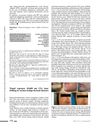 1 citations
,
July 2015 in “European Journal of Dermatology”
1 citations
,
July 2015 in “European Journal of Dermatology” CO₂ laser treatment is fast and effective for some benign skin tumors with minimal side effects.
 July 2024 in “Medical alphabet”
 Modern therapies, like fractional laser, effectively treat telogen effluvium.
15 citations
,
January 2008 in “PubMed” Laser and IPL hair reduction is effective but requires multiple sessions and ongoing maintenance.
 March 2025 in “Dermatologic Surgery”
 Fractional radiofrequency microneedling is as effective and safe as intralesional steroids for treating patchy alopecia areata, with fewer side effects.
 September 2024 in “Electronic Journal of General Medicine”
 Laser hair removal can cause severe skin irritation, but it can improve with treatment.
 July 1998 in “Proceedings of SPIE”
 Low-power laser therapy is an effective, side-effect-free treatment that speeds up hair regrowth and crural ulcer healing.