 11 citations
,
January 2022 in “Journal der Deutschen Dermatologischen Gesellschaft”
11 citations
,
January 2022 in “Journal der Deutschen Dermatologischen Gesellschaft” Alopecia areata is a chronic condition causing hair loss, with new treatments targeting the immune system showing promise.
 51 citations
,
September 2015 in “Medical Clinics of North America”
51 citations
,
September 2015 in “Medical Clinics of North America” The conclusion is that acne, alopecia, and hyperhidrosis are common skin issues with various treatments available, and accurate diagnosis is key for effective management.
 1 citations
,
March 2023 in “Clinical, Cosmetic and Investigational Dermatology”
1 citations
,
March 2023 in “Clinical, Cosmetic and Investigational Dermatology” Current treatments for Alopecia Areata have mixed success, and there's a need for better, more accessible options and support for affected individuals.
 September 2025 in “Cureus”
 Plica neuropathica can occur with diffuse alopecia and should be considered in diagnosis.
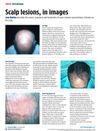 January 2015 in “Independent Nurse”
 Different scalp conditions can lead to hair loss or tumors, with treatments varying from creams to surgery; early detection is crucial.
 170 citations
,
December 2009 in “Histopathology”
170 citations
,
December 2009 in “Histopathology” The conclusion is that accurate diagnosis of different types of hair loss requires good teamwork between skin doctors and lab experts.
 July 2002 in “Australasian Journal of Dermatology”
 A woman with lupus had hair loss and skin issues that were successfully treated with medications.
13 citations
,
August 1982 in “PubMed” Zinc deficiency causes skin issues and hair loss, treatable with zinc supplements.
 4 citations
,
October 2013 in “Clinics in Dermatology”
4 citations
,
October 2013 in “Clinics in Dermatology” Experts don't fully agree on how to diagnose certain hair growth disorders and more research is needed to understand them better.
32 citations
,
November 2006 in “Veterinary dermatology” Congenital alopecia in domestic animals is rare and involves abnormal hair follicle development, needing better understanding and classification.
December 1972 in “Archives of Dermatology” The girl has an inflammatory type of scarring hair loss.
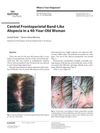 January 2018 in “Skin appendage disorders”
 A woman's hair loss was correctly diagnosed as Lichen planopilaris after initial misdiagnosis, highlighting the usefulness of trichoscopy in diagnosing hair disorders.
 March 2025 in “International Journal of Scientific Research in Science and Technology”
 Early diagnosis and personalized treatment can lead to significant hair regrowth in children with alopecia areata.
 23 citations
,
March 1989 in “The Veterinary clinics of North America. Food animal practice”
23 citations
,
March 1989 in “The Veterinary clinics of North America. Food animal practice” Llamas often have skin issues like mange, bacterial infections, and allergies, with some treatable by zinc.
November 2025 in “Journal of Clinical Medicine” Alopecia areata patients should have eye check-ups due to increased risk of eye problems.
January 2014 in “ACTA SCIENTIAE VETERINARIAE” The cat's skin condition was resistant to treatment and did not improve.
1 citations
,
August 2005 in “Springer eBooks” Alopecia areata is an autoimmune disease with genetic links, treatable with certain medications, and can affect mental health.
 1 citations
,
February 2020 in “International Journal of Research in Dermatology”
1 citations
,
February 2020 in “International Journal of Research in Dermatology” Scalp alopecia areata mostly affects young adult males, often starts suddenly, and usually presents as single, patchy lesions.
164 citations
,
November 1989 in “Clinical and Experimental Dermatology” Juvenile alopecia areata is more severe and has a worse prognosis than maturity-onset alopecia areata.
January 2025 in “NATIONAL BOARD OF EXAMINATIONS JOURNAL OF MEDICAL SCIENCES” Dermoscopy is useful for accurately diagnosing syphilitic alopecia.
31 citations
,
August 1963 in “Archives of Dermatology” No systemic causes were found for the patients' conditions.
January 2024 in “Indian Journal of Paediatric Dermatology” A rare case links early-onset alopecia universalis and nephrotic syndrome, suggesting genetic immune issues.
Alopecia areata often starts around age 23, can be permanent in 30% of cases, and treatments are usually temporary.
19 citations
,
August 1996 in “British Journal of Dermatology” Alopecia areata affects hair follicle structure, even in non-balding areas.
 72 citations
,
February 2011 in “The American Journal of Dermatopathology”
72 citations
,
February 2011 in “The American Journal of Dermatopathology” Anti-TNF therapy can cause a unique type of hair loss that may get better with topical treatments without stopping the therapy.
11 citations
,
December 2015 in “Indian journal of dermatology, venereology, and leprology” Dermoscopy quickly and accurately diagnosed a rare hair disorder in a 12-year-old girl.
1 citations
,
January 2019 in “Dermatology Online Journal” A rare skin condition appeared on a 19-year-old woman's scalp.

Scalp tinea versicolor can mimic alopecia areata but is treatable with antifungal medication.
 January 2007 in “Elsevier eBooks”
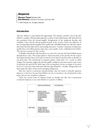
 Alopecia areata is a reversible, autoimmune-related hair loss that can have significant emotional impact and uncertain treatment effectiveness.
11 citations
,
January 2013 in “International Journal of Trichology” Emotional factors are crucial in treating and preventing scalp neurodermatitis and hair loss.