 2 citations
,
October 2025 in “Discover Immunity.”
2 citations
,
October 2025 in “Discover Immunity.” Alopecia Areata is an autoimmune disease causing hair loss, with no cure yet, but research may lead to new treatments.
September 2014 in “Turkish Journal of Dermatology” Non-scarring hair loss is common in children and needs attention for cosmetic reasons.
 9 citations
,
May 2005 in “Annales de dermatologie et de vénéréologie”
9 citations
,
May 2005 in “Annales de dermatologie et de vénéréologie” Oral zinc and topical steroids can effectively treat chronic scalp pustules and hair loss in elderly patients.
October 2021 in “European journal of cancer” Repeated biopsies are crucial for managing lupus panniculitis when initial treatments fail.
 16 citations
,
May 2011 in “Dermatologic therapy”
16 citations
,
May 2011 in “Dermatologic therapy” Effective treatments for severe alopecia areata are still lacking.
 June 2023 in “Pediatric investigation”
 A boy's scalp infection, usually found on the body, was effectively treated with antifungal cream.
2 citations
,
September 2002 in “Pediatric Dermatology” Newborns with hair loss and red, scaly skin need thorough skin checks to find the cause and treatment.
September 2011 in “Archives of dermatology” The child was diagnosed with cutaneous leishmaniasis.
 48 citations
,
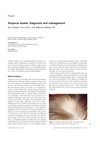
May 1999 in “International Journal of Dermatology”
48 citations
,
May 1999 in “International Journal of Dermatology” Alopecia areata is an unpredictable autoimmune hair loss condition, treated based on severity, with half of patients regrowing hair within a year without treatment.
 February 2023 in “Siriraj Medical Journal”
 Not all cases with typical signs of Alopecia Areata are actually diagnosed as such.
8 citations
,
January 2013 in “International journal of trichology” Two people had unusual ring-shaped hair loss due to an autoimmune disorder.
 12 citations
,
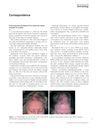
November 2011 in “International Journal of Dermatology”
12 citations
,
November 2011 in “International Journal of Dermatology” A woman developed a scalp condition from using minoxidil, which improved with a different treatment but left scarring.
 11 citations
,
October 2018 in “Pediatric dermatology”
11 citations
,
October 2018 in “Pediatric dermatology” Leflunomide and anthralin may effectively treat severe alopecia areata.
18 citations
,
April 2010 in “Archives of Dermatology” Psoriasis or contact dermatitis can override alopecia areata, allowing hair growth.
July 2025 in “Dermatology Reports” Dermatologists should recognize diverse discoid lupus signs to avoid misdiagnosis.
January 2013 in “Touro Scholar (Touro College)” DPCP works best for alopecia areata, but more research is needed for better treatments.
13 citations
,
January 2006 in “PubMed” Cicatricial alopecia is caused by skin conditions like lupus and lichen planus, leading to scarring and hair loss.
 150 citations
,
October 2010 in “The American Journal of Pathology”
150 citations
,
October 2010 in “The American Journal of Pathology” The document concludes that more research is needed to better understand and treat primary cicatricial alopecias, and suggests a possible reclassification based on molecular pathways.
5 citations
,
September 1991 in “Veterinary dermatology” Pygmy goats with seborrhoeic dermatitis showed skin symptoms and temporary improvement with corticosteroids, but the cause and inheritance of the disease remain unknown.
 1 citations
,
July 2018 in “Elsevier eBooks”
1 citations
,
July 2018 in “Elsevier eBooks” Alopecia Areata is an autoimmune hair loss condition, with various treatments showing mixed effectiveness and no guaranteed cure.
 March 2025 in “International Journal of Trichology”
 FAPD in children may not depend on androgens and should be treated with anti-inflammatory measures and minoxidil.
 89 citations
,
October 1996 in “Dermatologic Clinics”
89 citations
,
October 1996 in “Dermatologic Clinics” Alopecia areata is likely caused by a combination of genetic factors and immune system dysfunction, and may represent different diseases with various causes.
 2 citations
,
June 1980 in “International Journal of Dermatology”
2 citations
,
June 1980 in “International Journal of Dermatology” Scalp biopsies are important for diagnosing hair loss conditions.
 March 2024 in “Case Reports in Dermatology”
 A woman's hair loss was misdiagnosed as alopecia areata but was actually lichen planopilaris, needing immediate and ongoing treatment.
December 2024 in “JAAD International” 3 citations
,
December 2022 in “Rheumatology Advances in Practice” Patchy hair loss can be an early sign of lupus.
5 citations
,
March 2025 in “Pediatric Dermatology” Alopecia areata in children is caused by the immune system attacking hair follicles due to genetic factors.
May 2020 in “Lithuanian University of Health Sciences” Alopecia areata is an autoimmune disease causing hair loss, with treatments often ineffective but new options are being researched.
 January 2015 in “Journal of evolution of medical and dental sciences”
 Topical tacrolimus is effective and safe for treating alopecia areata.
 March 2026 in “JOURNAL OF CLINICAL AND DIAGNOSTIC RESEARCH”
 Recognizing unusual patterns of hair loss helps dermatologists diagnose and manage Alopecia Areata better.