7 citations
,
May 2021 in “Clinical Case Reports” Alopecic and aseptic nodules of the scalp are rare, treatable, and often resolve with doxycycline or on their own.
 8 citations
,
September 2011 in “European Journal of Dermatology”
8 citations
,
September 2011 in “European Journal of Dermatology” Most treatments for Frontal Fibrosing Alopecia are ineffective, but early anti-inflammatory therapy may help and the condition may stabilize over time.
 2 citations
,
April 1981 in “International Journal of Dermatology”
2 citations
,
April 1981 in “International Journal of Dermatology” No treatment reliably changes Alopecia Areata's course; reassurance and possibly a wig are recommended.
 23 citations
,
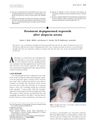
April 2002 in “Journal of the American Academy of Dermatology”
23 citations
,
April 2002 in “Journal of the American Academy of Dermatology” Depigmented hair regrowth after alopecia areata can be permanent.
 May 2009 in “Medical and surgical dermatology/Medical & surgical dermatology”
 Hair and nail conditions can stabilize or improve over time, and new treatments show promise.
Effective management of alopecia in African Americans involves prevention, antibiotics, and anti-inflammatory treatments.
 1 citations
,
March 1995 in “JAMA”
1 citations
,
March 1995 in “JAMA” The woman's hair loss is likely stress-related and should improve without treatment.
 218 citations
,
April 2012 in “British Journal of Dermatology”
218 citations
,
April 2012 in “British Journal of Dermatology” Guidelines suggest various treatments for alopecia areata, but leaving it untreated is also an option as 80% cases may recover on their own.
 January 2016 in “Springer eBooks”
 Alopecia Areata is an unpredictable autoimmune hair loss condition with limited and variable treatment effectiveness.
 182 citations
,
October 2003 in “British Journal of Dermatology”
182 citations
,
October 2003 in “British Journal of Dermatology” The 2003 guidelines suggest that while some treatments can regrow hair in alopecia areata, none alter the disease's progression, and wigs may be the best option for extensive hair loss.
 March 2019 in “Our Dermatology Online”
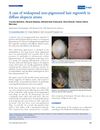
 A woman with severe hair loss regrew mostly white hair after treatment.
 2 citations
,
July 1999 in “International Journal of Clinical Practice”
2 citations
,
July 1999 in “International Journal of Clinical Practice” Common baldness treatments include cosmetic methods, medication like minoxidil, and surgery, but no cure exists.
 June 2026 in “Wiener klinische Wochenschrift”
 New treatments for alopecia areata show promise but need ongoing use and have infection risks.
 72 citations
,
July 2014 in “American journal of clinical dermatology”
72 citations
,
July 2014 in “American journal of clinical dermatology” Some treatments, like corticosteroids and sensitizing agents, can help with alopecia areata, but more high-quality research is needed.
 July 2023 in “Deleted Journal”
 Alopecia areata is the most common type of baldness treated with corticosteroids and minoxidil.
May 2025 in “Nonlinear Analysis Real World Applications” Reducing CD8+ T cell growth can stabilize alopecia areata.
 1 citations
,
April 2016 in “Journal of The American Academy of Dermatology”
1 citations
,
April 2016 in “Journal of The American Academy of Dermatology” The study concludes that Loose Anagen Hair Syndrome is a benign condition that usually improves with age but can be hard to diagnose and stressful for the family.
 June 2023 in “Zenodo (CERN European Organization for Nuclear Research)”
 Inflammation in hair follicles is a key risk factor for developing common baldness.
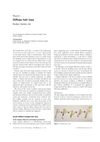 83 citations
,
May 1999 in “International Journal of Dermatology”
83 citations
,
May 1999 in “International Journal of Dermatology” Hair loss that spreads out can often fix itself or be treated by finding and handling the cause.
 March 2020 in “Faculty Opinions – Post-Publication Peer Review of the Biomedical Literature”
 Combining nonablative fractional laser with minoxidil was effective for alopecia areata with only one patient relapsing after a year.
1 citations
,
November 2016 in “Saengmyeong gwahag hoeji/Saengmyeong gwahak hoeji” New treatments for the autoimmune hair loss condition alopecia areata may include JAK inhibitors and other immunomodulators.
July 2026 in “Expert Review of Clinical Immunology” New therapies aim to improve long-term hair regrowth in alopecia areata by targeting immune responses.
 122 citations
,
November 1984 in “Journal of the American Academy of Dermatology”
122 citations
,
November 1984 in “Journal of the American Academy of Dermatology” No single treatment is consistently effective for alopecia areata, and more research is needed.
31 citations
,
January 1987 in “Dermatology” Minoxidil helps hair regrowth in severe alopecia areata by changing immune cell behavior.
 March 2026 in “Journal of Skin and Sexually Transmitted Diseases”
 Long hair can cause hair loss in the middle of the scalp, and cutting it shorter helps.
1 citations
,
August 2005 in “Springer eBooks” Alopecia areata is an autoimmune disease with genetic links, treatable with certain medications, and can affect mental health.
January 2022 in “Clinical Cases in Dermatology” A 12-year-old boy has a rare, harmless hair loss on his chin with no need for treatment.
 2 citations
,
May 2022 in “JAAD Case Reports”
2 citations
,
May 2022 in “JAAD Case Reports” A woman lost all her hair after mild COVID-19, but it started to regrow after treatment with a specific medication.
14 citations
,
December 2017 in “Journal of Investigative Dermatology Symposium Proceedings” New therapies for alopecia areata show potential but need more research.
 1 citations
,
July 2018 in “Elsevier eBooks”
1 citations
,
July 2018 in “Elsevier eBooks” Alopecia Areata is an autoimmune hair loss condition, with various treatments showing mixed effectiveness and no guaranteed cure.