 January 2023 in “Skin appendage disorders”
 Hair restoration surgery can change the appearance of hair when examined with a special magnifying tool.
January 2016 in “프로그램북(구 초록집)” LED light promotes hair growth by stimulating cell proliferation and reducing cell death.
January 2025 in “Dermatology Research and Practice” Higher activity in lichen planopilaris is linked to certain immune and tissue genes.
 22 citations
,
February 2008 in “Journal of Dermatological Science”
22 citations
,
February 2008 in “Journal of Dermatological Science” EPR spectroscopy showed that spontaneous hair growth results in thicker skin and less pigmented hair than depilation-induced growth.
1 citations
,
May 2016 in “Aktuelle Dermatologie” Trichoscopy helps monitor inflammation in Lichen planopilaris.
April 2026 in “Frontiers in Medicine” The 675-nm diode laser may safely help treat telogen effluvium.
 January 2025 in “Journal of Raman Spectroscopy”
 Polarized Raman spectra can reveal changes in hair keratin's protein structures.
3 citations
,
April 2025 in “Advanced Healthcare Materials” Light-activated hyaluronic acid derivatives can enhance skin healing and regeneration.
9 citations
,
May 2013 in “European Journal of Dermatology” Dermoscopy can non-invasively detect eruptive vellus hair cysts on the labia majora.
41 citations
,
July 2016 in “Journal of Investigative Dermatology” Dysplastic nevi have unique gene expressions, making them distinct from common melanocytic nevi.
 May 2023 in “Elsevier eBooks”
 Low-level laser/light therapy is effective and safe for mild to moderate hair loss in men and women when combined with other treatments.
 April 2024 in “Clinical dermatology review (Print)”
 Trichoscopy is an effective, noninvasive method for early diagnosis of Female Pattern Hair Loss.
 23 citations
,
September 2014 in “JEADV. Journal of the European Academy of Dermatology and Venereology/Journal of the European Academy of Dermatology and Venereology”
23 citations
,
September 2014 in “JEADV. Journal of the European Academy of Dermatology and Venereology/Journal of the European Academy of Dermatology and Venereology” Laser treatments are the most effective for porokeratotic adnexal ostial nevus.
47 citations
,
October 2015 in “Dermatologic surgery” The 308-nm excimer laser is effective for skin conditions but needs more research on long-term effects.
91 citations
,
November 1987 in “Archives of Dermatology” January 2016 in “Georg Thieme Verlag eBooks” Understanding and careful application of dermabrasion and microdermabrasion can minimize risks and improve patient outcomes.
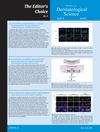 June 2018 in “Journal of Dermatological Science”
 UV radiation may cause DNA changes in skin, certain UVB therapy helps psoriasis, a new gene mutation is linked to mild piebaldism, different immune cells affect psoriasis, a drug promotes hair growth, and some cancer drugs could treat skin barrier issues.
 68 citations
,
January 2007 in “Journal of Cosmetic and Laser Therapy”
68 citations
,
January 2007 in “Journal of Cosmetic and Laser Therapy” Laser/light treatments for hair loss are popular but lack scientific data proving effectiveness.
 6 citations
,
January 2015 in “Dermatology”
6 citations
,
January 2015 in “Dermatology” Trichoscopy helps diagnose hair and scalp problems but isn't always definitive and should be used with other methods.
 October 2022 in “Journal of Pharmaceutical Negative Results”
 Photobiomodulation therapy shows promise in treating various health conditions by using specific light wavelengths.
April 2023 in “Journal of Investigative Dermatology” 3D ultrasound can detect hair follicle changes and disease phases in alopecia areata.
 June 2020 in “Journal of Investigative Dermatology”
 More research with diverse participants is needed to determine the effectiveness of photobiomodulation devices for hair loss treatment.
January 2014 in “프로그램북(구 초록집)” Laser and light treatments show promise for hair growth but need more research.
 May 2021 in “Pakistan Journal of Medical and Health Sciences”
 Trichogram is useful for diagnosing hair disorders, but newer, non-invasive methods like trichoscopy are becoming more popular due to their sensitivity and ability to monitor treatment responses.
 29 citations
,
January 2007 in “Dermatologic Clinics”
29 citations
,
January 2007 in “Dermatologic Clinics” Photodynamic Therapy is an effective treatment for mild to severe acne.
 1 citations
,
April 2025 in “Dermatology Practical & Conceptual”
1 citations
,
April 2025 in “Dermatology Practical & Conceptual” Trichoscopy helps understand and manage traction alopecia in Black patients.
 9 citations
,
September 2015 in “Medical Clinics of North America”
9 citations
,
September 2015 in “Medical Clinics of North America” The document explains how to do skin procedures, care after surgery, and when to use certain treatments.
1 citations
,
December 2022 in “Pharmaceutics” Finasteride-loaded microemulsions can effectively enhance skin delivery for treating hair loss.
1 citations
,
February 2025 in “Archives of Dermatological Research” Using Excimer light with topical steroids is the most effective treatment for alopecia areata.
 September 2014 in “Proceedings of SPIE, the International Society for Optical Engineering/Proceedings of SPIE”
 OCT can effectively examine and reveal details about human hair and scalp conditions.