 6 citations
,
June 2019 in “International Journal of Dermatology”
6 citations
,
June 2019 in “International Journal of Dermatology” Frontal fibrosing alopecia has occurred in two related male families.
186 citations
,
October 1957 in “A M A Archives of Dermatology” Alopecia mucinosa is a challenging condition with unclear diagnosis and treatment.
12 citations
,
February 2008 in “CRC Press eBooks” The document explains different hair and scalp conditions and their treatments.
June 2025 in “British Journal of Dermatology” Frontal fibrosing alopecia can occur in men and may be linked to immune triggers like vaccines.
 February 2026 in “International Journal of Research in Dermatology”
 Two adults with unusual scalp fungus symptoms were successfully treated.
 January 2021 in “Skin appendage disorders”
 The report concludes that atypical Brauer nevus is more common in males, present at birth, and often misdiagnosed due to its unusual scalp locations.
1 citations
,
July 2024 in “Indian Journal of Sexually Transmitted Diseases and AIDS” Syphilitic alopecia can be effectively diagnosed and treated, leading to hair regrowth.
 September 2006 in “Dermatologic Surgery”
 Some aggressive scalp cancers are hard to treat and can be deadly, even when removed with specialized surgery.
March 2023 in “Journal of Cosmetic Dermatology” Trichoscopy is effective for diagnosing scalp ACC in darker skin tones.
 January 2021 in “International journal of dermatology, venereology and leprosy sciences”
 Trichoscopy shows black dots, yellow dots, and empty follicles are common in Alopecia Areata, with broken and exclamation mark hair as typical patterns.
January 2015 in “International Journal of Clinical & Medical Imaging” Recognizing erosive pustular dermatosis of the scalp is crucial to avoid misdiagnosis.
56 citations
,
October 2016 in “Journal of dermatological science” New insights into the causes and treatments for the autoimmune hair loss condition Alopecia areata have been made.
 March 2012 in “Journal of The American Academy of Dermatology”
 Temporal triangular alopecia usually starts in early childhood and treatment with Minoxidil has limited effectiveness.
 32 citations
,
November 2011 in “International Journal of Dermatology”
32 citations
,
November 2011 in “International Journal of Dermatology” Diagnose and manage CCCA with thorough history, exams, and labs; treat with anti-inflammatory agents, stress reduction, and stopping harmful hair practices.
 December 2015 in “Actas Dermo-Sifiliográficas”
 Hair transplantation for Frontal Fibrosing Alopecia may work if the disease is inactive for 2 years and with ongoing treatment to maintain results.
January 2016 in “Çağdaş tıp dergisi” Topical 1% pimecrolimus effectively treated alopecia areata.
 September 2025 in “Dermatology Online Journal”
 Biopsy is crucial for diagnosing unusual hair loss causes like lymphoma.
November 2024 in “Chattagram Maa-O-Shishu Hospital Medical College Journal” Identifying alopecia types early is crucial for better treatment and quality of life.

Lichen planopilaris and frontal fibrosing alopecia are likely the same disease with different clinical appearances.
 23 citations
,
November 2011 in “Journal of the European Academy of Dermatology and Venereology”
23 citations
,
November 2011 in “Journal of the European Academy of Dermatology and Venereology” Hair loss is a rare but recognized symptom of pemphigus vulgaris, with patients usually regrowing hair after treatment.
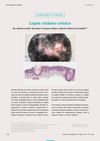 January 2024 in “Revista Dermatológica Centro Uraga”
 The patient has Chronic Cutaneous Lupus, a skin condition causing plaques and hair loss.
 7 citations
,
September 2008 in “Dermatologic surgery”
7 citations
,
September 2008 in “Dermatologic surgery” Hair transplantation can successfully treat stubborn alopecia areata.
23 citations
,
October 2020 in “Anais brasileiros de dermatologia/Anais Brasileiros de Dermatologia” Tailored treatments for alopecia areata are recommended based on severity and patient needs.
December 2024 in “Skin Appendage Disorders” Accurate diagnosis and treatment improved symptoms in a patient with alopecia linked to mycosis fungoides.
 13 citations
,
March 2002 in “Pediatric Dermatology”
13 citations
,
March 2002 in “Pediatric Dermatology” A child was initially wrongly diagnosed with a fungal scalp infection but actually had a non-scarring hair loss condition called Temporal Triangular Alopecia.
February 2026 in “Journal of Allergy and Clinical Immunology” Alopecia areata involves immune system issues and specific cell types that disrupt hair growth, leading to hair loss.
 3 citations
,
June 2025 in “Archives of Dermatological Research”
3 citations
,
June 2025 in “Archives of Dermatological Research” Biologics and JAK inhibitors may improve treatment for scarring alopecias.
14 citations
,
June 2011 in “Australasian Journal of Dermatology” An 8-year-old boy had both alopecia areata and vitiligo on the same spot on his scalp, which is very rare.
January 2019 in “Revista Dermatológica Centro Uraga” Alopecia triangular temporal is a rare condition with unclear causes and treatment, but trichoscopy helps in diagnosis.
 2 citations
,
December 2019 in “Leprosy Review”
2 citations
,
December 2019 in “Leprosy Review” A woman's hair loss and skin discoloration were found to be caused by a rare case of leprosy on the scalp, not alopecia-vitiligo overlap.