 19 citations
,
December 2001 in “Dermatologic Therapy”
19 citations
,
December 2001 in “Dermatologic Therapy” Horizontal scalp biopsy sections are better for diagnosing alopecia areata, showing fewer hair follicles and more miniaturized hairs.
11 citations
,
March 2002 in “Pediatric Dermatology” Temporal triangular alopecia is a non-scarring hair loss seen in some Asian children.
 5 citations
,
December 1964 in “Australasian journal of dermatology”
5 citations
,
December 1964 in “Australasian journal of dermatology” Congenital atrichia is a rare condition where children are born without hair, and treatment is often ineffective.
2 citations
,
December 2021 in “Journal of Drugs in Dermatology” Early diagnosis and treatment of alopecia in children are crucial for managing physical and psychological impacts.
8 citations
,
January 2017 in “Acta Dermato Venereologica” Thorough clinical examination is crucial for diagnosing unusual alopecia.
 1 citations
,
September 2023 in “Journal of drugs in dermatology”
1 citations
,
September 2023 in “Journal of drugs in dermatology” Alopecia areata causes unpredictable hair loss and emotional distress, with no cure and limited treatment options.
 August 2022 in “RECISATEC”
 Female pattern hair loss is common, often starts in the 30s or 40s, worsens after menopause, and can negatively affect quality of life.
 January 2022 in “Clinical Cases in Dermatology”
 Androgenetic alopecia, a common hair loss condition, can be treated with topical minoxidil, oral finasteride, or oral spironolactone, and new treatments like platelet-rich plasma, low-level laser therapy, and janus-kinase inhibitors are being explored.
July 2025 in “Russian Journal of Clinical Dermatology and Venereology” Alopecia areata in children requires thorough diagnosis and treatment due to its impact on quality of life and link to other autoimmune diseases.
 December 2010 in “Vestnik dermatologii i venerologii”
 Certain genes and X chromosome patterns may significantly contribute to the development of hair loss.
 May 2025 in “Journal of Clinical Images and Medical Case Reports”
 Hair transplants can trigger a rare scarring hair loss that is hard to treat.
 4 citations
,
January 2002 in “Annals of Dermatology”
4 citations
,
January 2002 in “Annals of Dermatology” Androgenetic alopecia, or hair loss, is most common in people in their 30s, can start early, is often inherited, and may be influenced by factors like hormones and scalp health.
 September 1997 in “Journal of The European Academy of Dermatology and Venereology”
 Examining scalp tissue under a microscope helps diagnose and understand hair loss diseases.
May 2025 in “Skin Appendage Disorders” Psoriatic alopecia is a challenging hair loss condition linked to psoriasis, needing better diagnosis and personalized treatments.
January 2014 in “Jaypee Brothers Medical Publishers (P) Ltd. eBooks” Androgenetic alopecia is the most common cause of hair loss, affecting both men and women, with varying patterns and prevalence among different races.
 October 2023 in “Revista Medicina Cutánea Ibero-Latino-Americana”
 Alopecia areata often appears on the scalp and is linked to various health issues, needing thorough evaluation.
 January 2025 in “Indian Journal of Dermatology”
 Frontal fibrosing alopecia is a challenging hair loss condition with no known cause or definitive treatment.
 95 citations
,
November 2018 in “Australasian journal of dermatology”
95 citations
,
November 2018 in “Australasian journal of dermatology” Alopecia areata treatment varies, with no optimal method established yet.
 July 2019 in “Journal of Investigative Dermatology”
 The research found that male pattern hair loss is mostly genetic and involves hair thinning due to hormonal effects and changes in gene expression.
 18 citations
,
June 2017 in “Journal of The American Academy of Dermatology”
18 citations
,
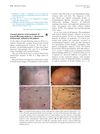
June 2017 in “Journal of The American Academy of Dermatology” Trichoscopy helps diagnose frontal fibrosing alopecia, even with unusual patterns.
 January 2026 in “Forum Dermatologicum”
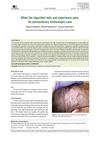
 Thorough hair examination is crucial for accurate diagnosis and treatment.
 January 2000 in “Springer eBooks”
 Androgenic Alopecia is commonly known as male or female pattern baldness.
 September 2025 in “Ukrainian Journal of Dermatology Venerology Cosmetology”
 Early diagnosis and treatment can stop hair loss and prevent scalp damage in pseudopelade of Brocq.
 August 2021 in “Clinical and Experimental Dermatology”
 Children under 10 can experience hair thinning without hormone issues, and it may improve with treatment.
 1 citations
,
June 1987 in “British Journal of Dermatology”
1 citations
,
June 1987 in “British Journal of Dermatology” Patterned hair loss is relatively common in women and not usually a sign of serious health issues.
 2 citations
,
July 2005 in “Baylor University Medical Center Proceedings”
2 citations
,
July 2005 in “Baylor University Medical Center Proceedings” A 4-year-old girl was diagnosed with trichotillomania, a condition where she pulls out her hair, which may resolve on its own or require therapy.
 2 citations
,
August 2010 in “Journal of the American Academy of Dermatology”
2 citations
,
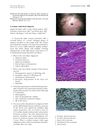
August 2010 in “Journal of the American Academy of Dermatology” A 65-year-old woman has a growing bald spot on her scalp.
 May 2012 in “CRC Press eBooks”
 Androgenetic alopecia is the main reason people lose hair, and while some think it's normal, others find it abnormal and want treatment.
 January 2017 in “Turkiye Klinikleri Journal of Dermatology”
 A 9-month-old baby had a rare, persistent ring-shaped hair loss condition.
June 2026 in “British Journal of Dermatology” Hair transplants may trigger frontal fibrosing alopecia.