 December 2020 in “TURKDERM”
 A 3-year-old boy was diagnosed with a rare, non-scarring hair loss condition called temporal triangular alopecia.
 January 2015 in “Indian Dermatology Online Journal”
 The patient's hair loss is most likely due to diffuse alopecia areata.
 3 citations
,
July 2014 in “QJM”
3 citations
,
July 2014 in “QJM” A 35-year-old man had patchy hair loss that was actually due to syphilis, not alopecia areata.
May 2026 in “Journal of International Medical Research” Atrichia with papular lesions causes irreversible hair loss from infancy and is often misdiagnosed.
2 citations
,
January 2018 Diffuse alopecia areata causes widespread hair thinning due to an autoimmune response.
May 1979 in “Archives of Dermatology” Alopecia can be linked to autoimmune issues, vitiligo, nail problems, and sometimes cancer treatments.
 19 citations
,
January 2011 in “Clinics”
19 citations
,
January 2011 in “Clinics” A young woman with a rare hair loss condition improved with steroid and biotin treatment.
3 citations
,
February 2001 in “British journal of ophthalmology” An Australian with rare hair loss and eye conditions had a gene linked to both, not seen together before.
 January 2014 in “Pathology”
 Non-scarring hair loss can be diagnosed with two 4mm punch biopsies, one cut vertically and the other transversely.
 34 citations
,
December 1995 in “Pediatric Dermatology”
34 citations
,
December 1995 in “Pediatric Dermatology” Congenital Triangular Alopecia is a rare, non-scarring hair loss that can be surgically treated in females for cosmetic reasons.
 December 2014 in “PubMed”
 A scalp biopsy can help confirm hair loss types when other methods don't provide a clear diagnosis.
 5 citations
,
September 2011 in “Pediatric Dermatology”
5 citations
,
September 2011 in “Pediatric Dermatology” Two young siblings experienced hair loss without hormone issues or other skin problems.
 April 2020 in “International journal of research in dermatology”
 An 8-year-old girl has a rare, irreversible hair loss condition caused by a genetic mutation.
 2 citations
,
October 2025 in “Discover Immunity.”
2 citations
,
October 2025 in “Discover Immunity.” Alopecia Areata is an autoimmune disease causing hair loss, with no cure yet, but research may lead to new treatments.
 7 citations
,
August 2013 in “Journal of the European Academy of Dermatology and Venereology”
7 citations
,
August 2013 in “Journal of the European Academy of Dermatology and Venereology” Less than a quarter of alopecia areata cases were unusual forms or had paradoxical regrowth.
 April 2012 in “Informa Healthcare eBooks”
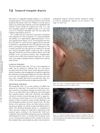
 Temporal triangular alopecia is a lifelong condition with hairless patches on the side of the head that may be present from birth.
 421 citations
,
April 2012 in “The New England Journal of Medicine”
421 citations
,
April 2012 in “The New England Journal of Medicine” Alopecia Areata is an autoimmune condition causing hair loss with no cure and treatments that often don't work well.
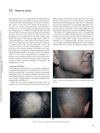 April 2012 in “Informa Healthcare eBooks”
 Alopecia areata is a common autoimmune condition causing varying hair loss, diagnosed by specific patterns of inflammation around hair follicles, with several treatment options available.
 1 citations
,
December 2013 in “Journal of Evolution of Medical and Dental Sciences”
1 citations
,
December 2013 in “Journal of Evolution of Medical and Dental Sciences” Alopecia areata causes patchy hair loss due to unknown factors, affecting all ages and genders.
19 citations
,
October 1996 in “International Journal of Dermatology” Pseudopelade is a rare inherited hair loss condition with a genetic cause.

A woman with a rare hair loss condition developed skin cancer in the bald area.
 56 citations
,
January 2019 in “Skin appendage disorders”
56 citations
,
January 2019 in “Skin appendage disorders” The most common hair loss type at specialist clinics is androgenetic alopecia, especially in younger men, followed by alopecia areata and telogen effluvium, with differences seen across regions.
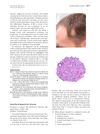
The man has Temporal Triangular Alopecia, a stable, non-scarring hair loss condition best treated with hair transplantation.
 September 2024 in “PubMed”
 Hair loss can be treated based on its type and cause, improving quality of life.
 July 2023 in “Deleted Journal”
 Alopecia areata is the most common type of baldness treated with corticosteroids and minoxidil.
January 2026 in “Updates in clinical dermatology” November 2012 in “Annales de Dermatologie et de Vénéréologie” Frontal fibrosing alopecia can occur in children, not just postmenopausal women.
 June 2023 in “Brazilian Journal of Health Review”
 Common baldness is a hereditary condition that can be treated with medications or surgery to prevent progression and improve self-esteem.
June 2011 in “European Journal of Pediatric Dermatology” An 11-year-old girl with hair thinning was diagnosed with monilethrix and early androgenetic alopecia.
October 2023 in “University of Zadar Institutional Repository” Androgenic alopecia is hereditary hair loss treated with medications, therapies, and support.