 December 2024 in “Skin Appendage Disorders”
 Non-prescription products can help manage androgenic alopecia.
Monocyclic aromatic compounds are important for developing various drugs and treatments.
 January 2025 in “RSC Advances”
 The new delivery method for finasteride using nanoparticles may improve hair growth without skin issues.
 158 citations
,
January 2015 in “Artificial Intelligence in Medicine”
158 citations
,
January 2015 in “Artificial Intelligence in Medicine” DrugNet effectively identifies new uses for existing drugs and may save resources in drug development.
Introducing the OTC gene improved symptoms in mice with OTC deficiency.
 September 2023 in “Pharmaceuticals”
 Tiny particles improved delivery of hair loss treatments to hair follicles, with lipid-based particles performing best.
 February 2024 in “Current Medicinal Chemistry”
 Minoxidil nanocrystals improved hair growth in mice more effectively and safely than regular Minoxidil.
83 citations
,
November 2006 in “European Journal of Neuroscience” Progesterone protects rat brain cells by enhancing GABA A receptor activity.
April 2026 in “Journal of Dermatology Research” The skin communicates with the nervous system, and targeting neurohormones like melatonin and oxytocin could help treat skin issues.
 9 citations
,
January 2009 in “PubMed”
9 citations
,
January 2009 in “PubMed” Finasteride treatment can decrease certain steroids and increase others, possibly leading to depression symptoms in some cases.
10 citations
,
January 2020 in “Acta Neurobiologiae Experimentalis” Valproic acid and crocin together boost cell growth and may help treat nerve injuries.
28 citations
,
January 1996 in “Skin Pharmacology and Physiology” Minoxidil boosts hair cell growth, while cyclosporin does not.
September 2023 in “International journal of molecular sciences” Pinus densiflora extract may help improve memory and reduce brain inflammation.
November 2025 in “ACS Applied Materials & Interfaces” Plant-derived nanovesicles effectively deliver finasteride for hair regrowth in androgenetic alopecia.
17 citations
,
May 2021 in “Journal of Cell Science” N1-acetylspermidine promotes hair follicle stem cell self-renewal.
 17 citations
,
May 1975 in “Clinical Pharmacology & Therapeutics”
17 citations
,
May 1975 in “Clinical Pharmacology & Therapeutics” 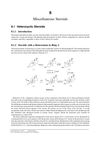
The document concludes that scientists created various steroids with different properties, including a more effective semi-synthetic vitamin D.
559 citations
,
October 2020 in “Frontiers in Molecular Biosciences” Solid lipid nanoparticles are promising for safe and effective drug delivery but need more research for clinical use.
 7 citations
,
December 2020 in “Pharmaceutics”
7 citations
,
December 2020 in “Pharmaceutics” A mix of tocopherol acetate and L-menthol helps grow hair better than using them separately or using minoxidil.
 April 2026 in “Zenodo (CERN European Organization for Nuclear Research)”
 Nanocrystals improve drug delivery and effectiveness.
December 2025 in “Cosmetics” Nanocarriers can improve skin treatments after cancer therapy by enhancing antioxidant delivery and effectiveness.
 3 citations
,
July 2018 in “Biomedicine & pharmacotherapy”
3 citations
,
July 2018 in “Biomedicine & pharmacotherapy” Paeoniflorin protects brain cells by involving a specific protein and neurosteroids.
 19 citations
,
July 2020 in “Journal of drug delivery science and technology”
19 citations
,
July 2020 in “Journal of drug delivery science and technology” Nanoemulsions with minoxidil and clove oil effectively target hair follicles for better alopecia treatment.
2 citations
,
January 2009 A natural extract-based hair growth product was developed and showed promise in preliminary tests.
June 2021 in “Zenodo (CERN European Organization for Nuclear Research)” Nanoemulsions can effectively improve the delivery of certain hydrophobic molecules.
 January 2023 in “Research Square (Research Square)”
 Nano selenium and CoQ10 helped reduce blood fat levels and insulin resistance while preventing muscle damage from statin drugs in rats.
 August 2025 in “International Journal of Research Publication and Reviews”
 Quasi-drugs in Japan and South Korea are regulated to ensure safety and effectiveness, offering products with mild therapeutic effects.
 March 2024 in “Journal of Neuroscience Research”
 Finasteride may reduce depression and anxiety in female rats and improve brain connectivity.
April 2010 in “Nature Reviews Urology”