4 citations
,
May 2023 in “Cells” Baricitinib and its combination with lonafarnib improve fat cell formation in certain genetic disorders.
23 citations
,
January 1986 Involucrin is crucial for skin cell maturation and protection.
15 citations
,
June 2020 in “The journal of investigative dermatology/Journal of investigative dermatology” Mice with extra human KLK14 had hair and skin problems, including weaker cell bonds and inflammation, linked to Netherton syndrome.
 16 citations
,
November 2005 in “Journal of Investigative Dermatology Symposium Proceedings”
16 citations
,
November 2005 in “Journal of Investigative Dermatology Symposium Proceedings” Blocking interferon-gamma helps prevent and treat hair loss in Alopecia Areata.
166 citations
,
July 1999 in “American Journal Of Pathology” The hairless (hr) gene is essential for normal hair follicle function and its mutation leads to hair loss.
March 2024 in “Veterinary sciences” Geriatric Julia Creek dunnarts often suffer from reproductive and skin diseases, impacting conservation efforts.
38 citations
,
June 2016 in “Journal of Tissue Engineering and Regenerative Medicine” Microcolumn grafting can effectively regenerate full-thickness, functional skin without scarring.
24 citations
,
March 2016 in “Journal of Investigative Dermatology” TIP39 and PTH2R help control calcium levels and skin cell development.
4 citations
,
July 2023 in “Experimental Dermatology” Fat grafting reduces scar fibrosis but may slow skin healing.
 7 citations
,
August 2022 in “Experimental dermatology”
7 citations
,
August 2022 in “Experimental dermatology” Blocking YAP/TAZ could be a new way to treat skin cancer.
30 citations
,
June 2000 in “Journal of dermatological science” Human keratinocytes do not naturally respond to androgens.
September 2025 in “Stem Cell Research & Therapy” EVs and CMs may safely improve skin lightening and rejuvenation, but more research is needed.
40 citations
,
April 1995 in “Journal of Cutaneous Pathology” Androgen receptors are found in some skin tumors but not in hair follicle tumors.
April 2026 in “Journal of Cosmetic Dermatology” Exosomes from umbilical cord stem cells help protect hair color and health under stress.
135 citations
,
December 2006 in “PLoS Medicine” Hyaluronate fragments can help reverse skin thinning by working with the CD44 receptor.
 9 citations
,
July 2021 in “Dermatology and Therapy”
9 citations
,
July 2021 in “Dermatology and Therapy” New treatments for epidermolysis bullosa show promise in improving patients' lives, but a cure is still not available.
November 2024 in “Journal of Investigative Dermatology” Blocking the JAK/STAT pathway may help reduce skin sensitivity in Xeroderma pigmentosum.
 232 citations
,
January 2013 in “Nature Cell Biology”
232 citations
,
January 2013 in “Nature Cell Biology” Understanding where cancer cells come from helps create better prevention and treatment methods.
18 citations
,
January 2013 in “Veterinary Dermatology” K15 is a reliable marker for studying stem cells in dog hair follicle tumors.
 23 citations
,
September 2011 in “Journal of Dermatological Science”
23 citations
,
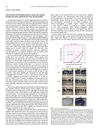
September 2011 in “Journal of Dermatological Science” Red LED light helps mouse hair grow by increasing growth factors from skin cells.
176 citations
,
February 2006 in “Cancer Research” Patched1 helps prevent tumors by controlling cell growth.
28 citations
,
January 2009 in “Journal of Investigative Dermatology” Stem cells in eccrine glands could be used for regenerative medicine.

Correcting EDA fibronectin organization and YAP translocation can improve wound healing in fibrotic conditions.
2 citations
,
June 2006 in “Journal of Clinical Pathology” Localized breast cancer can affect skin and hair.
77 citations
,
June 2002 in “Journal of Investigative Dermatology” CD44 variant changes start alopecia areata, but don't maintain it.
 April 2017 in “Journal of Investigative Dermatology”
 Triptolide effectively and safely reduces actinic keratosis lesions in mice.
June 2005 in “Journal of Investigative Dermatology” A bull with a gene mutation was asymptomatic, synthetic retinoids cause hair loss, and new therapeutic targets were identified for skin diseases.
January 2007 in “Queen Mary Research Online (Queen Mary University of London)” GLI and EGF signalling affect Basal Cell Carcinoma development and could be therapeutic targets.
38 citations
,
November 1991 in “Archiv für Pathologische Anatomie und Physiologie und für Klinische Medicin” Keratins 8 and 14 can help identify and diagnose benign skin tumors.
46 citations
,
November 2004 in “Lipids” PPARs help regulate skin health and could be used to treat skin disorders.