142 citations
,
September 2015 in “PubMed” Keloid scars are aggressive, excessive skin scars with unique features and complex diagnosis.
 10 citations
,
January 2018 in “Elsevier eBooks”
10 citations
,
January 2018 in “Elsevier eBooks” Burn scars heal abnormally and more research is needed to find better treatments.
21 citations
,
December 2023 in “Bioengineering & Translational Medicine” Fibroblast and endothelial cell interactions are crucial in forming hypertrophic scars.
1 citations
,
January 2021 in “SSRN Electronic Journal” Transplanted hair follicles can improve and remodel mature scars.
 July 2025 in “Interdisciplinary materials”
 A microneedle patch with curcumin and stem cell components effectively treats hypertrophic scars and promotes healing.
 June 2026 in “Preprints.org”
 Atorvastatin in a keratin hydrogel may help treat skin scars effectively.
1 citations
,
March 2024 in “Pediatric Dermatology” Neonatal nasal injuries can heal with basic care but often leave scars.
4 citations
,
July 2023 in “Experimental Dermatology” Fat grafting reduces scar fibrosis but may slow skin healing.
81 citations
,
January 2000 in “American journal of clinical dermatology” Various treatments can improve post-acne scars, but results vary.
 January 2026 in “Preprints.org”
 Mimicking fetal wound environments may enable scarless healing in adults.
Microneedling improves the appearance and feel of post-burn scars.
 October 2025 in “International Wound Journal”
 Gamma-irradiated amniotic fluid improves healing and reduces thickness of hypertrophic scars.
1 citations
,
May 2010 in “Chinese journal of plastic surgery” Melatonin might help treat thick scars.

Wound healing involves three phases and various cells and factors, with scars typically forming in adults. Chronic wounds can occur due to various issues, and abnormal scarring can lead to hypertrophic or keloid scars. Emerging research areas include the role of proteins, microRNAs, macrophage manipulation, and stem cell treatment.
 132 citations
,
June 2016 in “Cell and Tissue Research”
132 citations
,
June 2016 in “Cell and Tissue Research” The right cells and signals can potentially lead to scarless wound healing, with a mix of natural and external wound healing controllers possibly being the best way to achieve this.
 13 citations
,
February 2017 in “Science”
13 citations
,
February 2017 in “Science” Turning scar-forming cells into fat cells can reduce scarring.
 25 citations
,
January 2001 in “Facial Plastic Surgery”
25 citations
,
January 2001 in “Facial Plastic Surgery” Both tissue expansion and serial excision are effective for scar revision in the head and neck area.
 January 2007 in “Dermatologic Surgery”
 A new scalp surgery technique leads to significantly thinner scars.
 1 citations
,
December 2015 in “Dermatologic Surgery”
1 citations
,
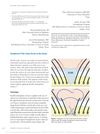
December 2015 in “Dermatologic Surgery” Double trichophytic closure effectively treats thin scalp scars and reduces patient costs.

Transplanting cultured skin sheets improved acne scars in four patients.
 2 citations
,
January 2020
2 citations
,
January 2020 Tailored scar treatments are needed for different body areas to improve appearance and function.
 11 citations
,
September 2013 in “Otolaryngologic Clinics of North America”
11 citations
,
September 2013 in “Otolaryngologic Clinics of North America” The document concludes that improving the appearance of posttraumatic facial scars is possible with careful treatment and realistic expectations.
 8 citations
,
April 2022 in “Burns”
8 citations
,
April 2022 in “Burns” Alhydran and DermaCress moisturizers are more effective and cost-efficient for scar hydration than silicone gel.
 29 citations
,
September 2012 in “Birth Defects Research”
29 citations
,
September 2012 in “Birth Defects Research” Wounds heal without scarring in early development but later result in scars, and studying Wnt signaling could help control scarring.
 10 citations
,
July 2011 in “Wound Repair and Regeneration”
10 citations
,
July 2011 in “Wound Repair and Regeneration” New antiscarring strategies show promise, including drugs, stem cells, and improved surgical techniques.
September 2018 in “Dermatologic Surgery” April 2024 in “International journal of molecular sciences” Combination pharmacotherapy is generally more effective for treating keloids and hypertrophic scars.
 10 citations
,
January 2007 in “Dermatologic Surgery”
10 citations
,
January 2007 in “Dermatologic Surgery” New scalp surgery technique results in thinner, less visible scars.
 April 2026 in “Journal of Pharmaceutical Investigation”
 Nanotechnology could improve treatment for scars and atopic dermatitis by targeting skin issues more effectively.
18 citations
,
January 2022 in “Oxidative Medicine and Cellular Longevity” Fibroblasts are crucial in scar formation and wound healing, with potential therapies aiming for scarless healing.