 November 2014 in “Prescriber”
 The 16-year-old girl with hair loss was successfully treated for alopecia areata, leading to significant hair regrowth.
 4 citations
,
January 2020 in “Skin appendage disorders”
4 citations
,
January 2020 in “Skin appendage disorders” A woman with an unusual pattern of hair loss was confirmed to have Frontal Fibrosing Alopecia and treated with specific medications.
 January 2025 in “Dermatology Practical & Conceptual”
 Perinevoid alopecia can be effectively treated with non-invasive corticosteroids.
April 2017 in “The journal of investigative dermatology/Journal of investigative dermatology” Topical Vorinostat shows promise for treating alopecia areata by promoting hair regrowth.
 19 citations
,
February 2013 in “The American Journal of Dermatopathology”
19 citations
,
February 2013 in “The American Journal of Dermatopathology” Nonscarring alopecia has higher hair density than scarring alopecia, and hair density can help diagnose the type of alopecia.
 6 citations
,
December 2014 in “Clinical and Experimental Dermatology”
6 citations
,
December 2014 in “Clinical and Experimental Dermatology” Hair density and thickness decrease in all scalp areas for East Asians with AGA.
 2 citations
,
March 2019 in “JEADV. Journal of the European Academy of Dermatology and Venereology/Journal of the European Academy of Dermatology and Venereology”
2 citations
,
March 2019 in “JEADV. Journal of the European Academy of Dermatology and Venereology/Journal of the European Academy of Dermatology and Venereology” Hair loss in elderly people is often due to health issues and needs better diagnosis and treatment.
 4 citations
,
February 2020 in “Journal of Cosmetic Dermatology”
4 citations
,
February 2020 in “Journal of Cosmetic Dermatology” Trichoscopy helps diagnose hairline recession causes in Egyptian women, with androgenetic alopecia being the most common.
 15 citations
,
May 2016 in “Archives of Dermatological Research”
15 citations
,
May 2016 in “Archives of Dermatological Research” ULBP3 could be a marker for diagnosing alopecia areata incognita and may be linked to its cause and development.
 2 citations
,
August 2010 in “Journal of the American Academy of Dermatology”
2 citations
,
August 2010 in “Journal of the American Academy of Dermatology” A 65-year-old woman has a growing bald spot on her scalp.
 76 citations
,
July 2011 in “Clinical, Cosmetic and Investigational Dermatology”
76 citations
,
July 2011 in “Clinical, Cosmetic and Investigational Dermatology” The document concludes that proper diagnosis and FDA-approved treatments for different types of hair loss exist, but treatments for severe cases often fail and future improvements may focus on hair follicle stem cells.
 11 citations
,
September 2013 in “Journal of The European Academy of Dermatology and Venereology”
11 citations
,
September 2013 in “Journal of The European Academy of Dermatology and Venereology” People with alopecia areata may be more likely to have a certain type of hearing loss.
 August 2021 in “EMC - AKOS - Trattato di Medicina”
 Acquired alopecia is hair loss that can be reversible or irreversible, depending on whether the hair follicle is destroyed.
 44 citations
,
July 2005 in “Aesthetic Plastic Surgery”
44 citations
,
July 2005 in “Aesthetic Plastic Surgery” Hair transplantation successfully treated a woman's hair loss caused by a tight ponytail.
 March 2026 in “Zenodo (CERN European Organization for Nuclear Research)”
 Restoring communication in hair follicle networks may treat hair loss and improve sexual dysfunction.
 34 citations
,
January 1987 in “Dermatology”
34 citations
,
January 1987 in “Dermatology” Topical minoxidil effectively and safely treats extensive alopecia areata but doesn't change its course.
November 2023 in “Journal of Investigative Dermatology” Different types of hair loss have unique cellular changes, suggesting new treatment targets.
9 citations
,
November 2004 in “SKINmed Dermatology for the Clinician” A man with hair loss developed a condition causing scarring and inflammation in both bald and non-bald areas of his scalp.
 January 2026 in “Forum Dermatologicum”
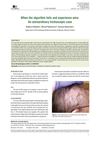
 Thorough hair examination is crucial for accurate diagnosis and treatment.
 34 citations
,
April 2009 in “Expert Opinion on Pharmacotherapy”
34 citations
,
April 2009 in “Expert Opinion on Pharmacotherapy” Some treatments work for common baldness, but there's less evidence for other hair loss types, and more research is needed.
 May 2022 in “Journal of Cosmetic Dermatology”
 The authors suggest a method for hair transplantation in fibrosing alopecia pattern distribution to improve treatment outcomes and cover bald areas.
 32 citations
,
March 1987 in “Journal of The American Academy of Dermatology”
32 citations
,
March 1987 in “Journal of The American Academy of Dermatology” Using minoxidil on balding men's scalps can increase hair growth, according to a 12-month study.
 9 citations
,
October 2020 in “Journal of The American Academy of Dermatology”
9 citations
,
October 2020 in “Journal of The American Academy of Dermatology” Low-dose oral minoxidil is an effective and well-tolerated treatment for hair growth in alopecia patients.
 48 citations
,
October 1996 in “Dermatologic clinics”
48 citations
,
October 1996 in “Dermatologic clinics” Some treatments can help with hair regrowth in alopecia areata, but results vary and long-term use is often needed without changing the disease's outcome.
 May 2017 in “Journal of The American Academy of Dermatology”
 Certain factors like patchy hair loss at the back of the head, being female, and younger age at diagnosis can lead to a worse outcome for alopecia areata.
5 citations
,
October 2019 in “JAAD Case Reports” These hair loss conditions might be part of a spectrum, not separate issues.
 41 citations
,
May 2001 in “PubMed”
41 citations
,
May 2001 in “PubMed” Different thicknesses of hair strands can indicate the severity of hair thinning.
 8 citations
,
January 1989 in “Annual Reports in Medicinal Chemistry”
8 citations
,
January 1989 in “Annual Reports in Medicinal Chemistry” Hair loss from alopecia areata and androgenetic alopecia can be treated, but more effective and safer treatments are needed.
 2 citations
,
December 1995 in “Pediatrics”
2 citations
,
December 1995 in “Pediatrics” Infant hair loss is usually temporary and grows back without treatment.

Female hair loss is often hereditary and can be treated with medication, hair transplants, and lasers.