 August 2023 in “Clinical, Cosmetic and Investigational Dermatology”
 Different types of female pattern hair loss have unique characteristics and are associated with various health conditions.

CEOs aged 50-69 have less significant hair loss than the general white male population.
 January 2021 in “Skinmed”
 CEOs aged 50-69 have less significant hair loss than the general white male population.
3 citations
,
November 2021 in “Frontiers in Medicine” Advanced male pattern baldness affects the back of the scalp, reducing hair follicles.
 January 2025 in “International Journal of Trichology”
 Severe hair loss may increase the risk of dying from COVID-19.
 20 citations
,
May 1992 in “The Journal of Dermatologic Surgery and Oncology”
20 citations
,
May 1992 in “The Journal of Dermatologic Surgery and Oncology” Dr. Norwood's analysis highlights the need for careful patient selection and strategic hair transplant design to create a natural-looking hair density.
 April 2025 in “Journal of Cosmetic and Laser Therapy”
 QR678 Neo® improves hair transplant success and hair regrowth.
 February 2024 in “Dermatology Reports”
 Microneedling combined with minoxidil is more effective and safe for hair growth in men with hair loss.
 8 citations
,
January 2013 in “International Journal of Trichology”
8 citations
,
January 2013 in “International Journal of Trichology” The BASP classification is effective for diagnosing pattern hair loss in Indian men and women.
 5 citations
,
January 2012 in “Dermatology”
5 citations
,
January 2012 in “Dermatology” Adapted classification better assesses male pattern hair loss and its link to heart disease.
 21 citations
,
January 2000 in “Aesthetic Plastic Surgery”
21 citations
,
January 2000 in “Aesthetic Plastic Surgery” Researchers created a new system to classify male baldness, finding six types and a common hairline shape, to improve hair loss treatments.
 125 citations
,
May 2007 in “Journal of The American Academy of Dermatology”
125 citations
,
May 2007 in “Journal of The American Academy of Dermatology” The BASP classification is a detailed and accurate way to categorize hair loss in both men and women.
 2 citations
,
June 2019 in “International Journal of Dermatology”
2 citations
,
June 2019 in “International Journal of Dermatology” The modified hair loss classification is more detailed but less user-friendly.
 11 citations
,
December 2018 in “Journal of Dermatology”
11 citations
,
December 2018 in “Journal of Dermatology” Finasteride effectively treats hair loss in Korean men for at least 5 years, with V type responding better.
 32 citations
,
June 2000 in “Dermatologic Surgery”
32 citations
,
June 2000 in “Dermatologic Surgery” Different factors help diagnose and treat hair loss accurately.

Korean patients with androgenetic alopecia may have a higher risk of heart-related health issues and could benefit from early heart screening and healthier lifestyles.
 29 citations
,
November 2012 in “Journal of The European Academy of Dermatology and Venereology”
29 citations
,
November 2012 in “Journal of The European Academy of Dermatology and Venereology” Use 5% minoxidil or oral finasteride for mild-to-moderate hair loss, combine with hair transplant for severe cases.
 18 citations
,
March 2011 in “Journal of The American Academy of Dermatology”
18 citations
,
March 2011 in “Journal of The American Academy of Dermatology” Familial factors affect hair loss types in Koreans, with M type in men, L type in women, and paternal factors influencing male hair loss more.
 14 citations
,
March 2016 in “Journal of Dermatology”
14 citations
,
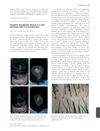
March 2016 in “Journal of Dermatology” Hair loss links to high blood pressure, high fat levels, and metabolic issues, suggesting early heart disease screening.
 July 2011 in “British Journal of Dermatology”
 Hormone treatment caused hair loss, finasteride helped regrowth.

Female hair loss is often hereditary and can be treated with medication, hair transplants, and lasers.
 50 citations
,
December 1998 in “Dermatologic Surgery”
50 citations
,
December 1998 in “Dermatologic Surgery” Hair loss is more common in men aged 18-49 and increases with age.
 4 citations
,
November 2011 in “Archives of Dermatology”
4 citations
,
November 2011 in “Archives of Dermatology” Hamilton scale imprecise, hair shaft diameter decreases, stem cell transplant regrows hair, ECP ineffective for alopecia areata universalis.
 January 2007 in “Revista del Centro Dermatológico Pascua”
 Hair loss in women, often not related to male hormones, increases with age and can cause significant emotional distress.
 June 2026 in “Indian Journal of Dermatology Venereology and Leprology”
 Trichoscopy helps detect and monitor androgenetic alopecia by identifying key scalp signs.
 8 citations
,
August 2021 in “Computational and Mathematical Methods in Medicine”
8 citations
,
August 2021 in “Computational and Mathematical Methods in Medicine” Machine learning can accurately identify Alopecia Areata, aiding in early detection and treatment of this hair loss condition.
 June 2023 in “Aesthetic Plastic Surgery”
 The PRECISE scale helps estimate how many grafts are needed for hair transplant based on the severity of hair loss.
 1 citations
,
January 2013 in “Advanced Biomedical Research”
1 citations
,
January 2013 in “Advanced Biomedical Research” Men with more severe hair loss had a lower risk of schizophrenia, but hair loss and testosterone levels were not linked.
 July 2023 in “Dermatology practical & conceptual”
 The machine learning model effectively assesses the severity of hair loss and could help dermatologists with treatment decisions.