 1 citations
,
January 2024 in “Journal of molecular structure”
1 citations
,
January 2024 in “Journal of molecular structure” The new finasteride delivery system using chitosan-based nanoniosomes shows promise for prostate cancer prevention.
 41 citations
,
November 2024 in “Molecular Biomedicine”
41 citations
,
November 2024 in “Molecular Biomedicine” Engineered extracellular vesicles show promise for targeted therapy but need more research for clinical use.
Moles may stop growing because of cell cooperation, not just because of aging cells.
 April 2025 in “Journal of Digestive Cancer Research”
 Milk-derived vesicles are promising for delivering drugs orally and treating various conditions.
4 citations
,
May 2025 in “Stem Cell Research & Therapy” Extracellular vesicles may help prevent and repair spine disc degeneration.
4 citations
,
April 2025 in “Frontiers in Immunology” Extracellular vesicles could offer precise treatments for psychiatric conditions by targeting brain networks.
 March 2025 in “Nature Communications”
 NSC167409 can effectively inhibit the virus causing hand, foot, and mouth disease.
 1 citations
,
April 2026 in “Cancer Nanotechnology”
1 citations
,
April 2026 in “Cancer Nanotechnology” Nanozymes could improve cancer diagnosis and treatment by mimicking enzymes and enhancing delivery to tumors.
6 citations
,
June 2025 in “Nano Biomedicine and Engineering” Smart nano-PROTACs improve cancer treatment by targeting proteins more precisely and reducing side effects.
14 citations
,
August 2021 in “Journal of Pharmaceutical Sciences” Cholesterol- and phospholipid-free niosomes improve deep skin drug delivery.
 268 citations
,
April 2009 in “International Journal of Pharmaceutics”
268 citations
,
April 2009 in “International Journal of Pharmaceutics” Niosomes improve minoxidil skin delivery for hair loss treatment.
6 citations
,
March 2023 in “Frontiers in Cellular and Infection Microbiology” Golvatinib shows promise as a treatment for Omicron in elderly patients.
2 citations
,
September 2025 in “International Journal of Nanomedicine” Extracellular vesicles can help treat skin issues like wounds, hair loss, aging, and inflammation.
 51 citations
,
January 2024 in “Nanoscale”
51 citations
,
January 2024 in “Nanoscale” Nano-PROTACs could improve drug targeting and delivery by using nanotechnology.
 January 2025 in “Nanoscale”
 Boron/nitrogen-doped carbon nano-onions improve targeted breast cancer treatment by enhancing drug delivery and reducing side effects.
222 citations
,
January 2003 in “Critical Reviews in Therapeutic Drug Carrier Systems” Ethosomes can safely and effectively deliver various drugs deep into the skin.
42 citations
,
November 2022 in “Cosmetics” Niosomes improve the effectiveness of skin and hair cosmetics.
3 citations
,
January 2025 in “Biomaterials Science” Blue light-enhanced nanovesicles from stem cells improve skin and hair cell function, offering a safer treatment for skin and hair disorders.
 February 2026 in “Preprints.org”
 Beer yeast vesicles may improve hair follicle health.
January 2026 in “Biocell” Gut microbiota-derived exosomes could be effective natural carriers for targeted drug delivery in personalized medicine.
 26 citations
,
June 2018 in “Australasian Journal of Dermatology”
26 citations
,
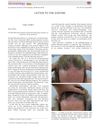
June 2018 in “Australasian Journal of Dermatology” Stopping sunscreen use on the forehead led to hair regrowth in a woman with frontal fibrosing alopecia.
 10 citations
,
September 2024 in “Journal of Nanobiotechnology”
10 citations
,
September 2024 in “Journal of Nanobiotechnology” The microneedle patch helps heal infected wounds quickly and without scars.
 13 citations
,
January 2019 in “Colloids and Surfaces B: Biointerfaces”
13 citations
,
January 2019 in “Colloids and Surfaces B: Biointerfaces” The new drug delivery systems made with surfactants and block polymers are stable and not toxic.
 April 2026 in “DiRROS repository (University of Maribor)”
 MSC-derived EVs have potential as therapeutic agents but face challenges like production complexity and high costs.
 18 citations
,
February 2023 in “PLoS ONE”
18 citations
,
February 2023 in “PLoS ONE” A new triple drug system using nanoparticles effectively targets breast tumors in 3D models.
37 citations
,
June 2019 in “Stem cells” Special particles from skin cells can promote hair growth by activating a specific growth signal.
15 citations
,
June 2025 in “Journal of Extracellular Vesicles” Standardized guidelines are needed to improve drug-loaded extracellular vesicle purification.
46 citations
,
October 2025 in “Journal of Nanobiotechnology” Plant-derived nanovesicles show promise for treating skin issues like hair loss and aging.
 8 citations
,
January 2022 in “Burns and trauma”
8 citations
,
January 2022 in “Burns and trauma” Skin cell-derived vesicles can help heal skin injuries effectively.