14 citations
,
August 2020 in “Journal of cosmetic dermatology” Experts recommend using PN-HPT™ for skin rejuvenation in various body areas but have less agreement on initial facial treatment cycles.
 14 citations
,
January 2005 in “Pediatric Dermatology”
14 citations
,
January 2005 in “Pediatric Dermatology” UVA1-light therapy successfully treated a child's skin condition, mycosis fungoides.
 January 2025 in “Journal of Materials Chemistry B”
 The new microneedle treatment could be a more effective and convenient option for hair loss.
 May 2015 in “Journal of The American Academy of Dermatology”
 The Nd:YAG laser is a successful and safe way to treat ingrown and pincer nails.
19 citations
,
January 2022 in “Journal of Nanomaterials” NH-Tween-80 is a promising stable gel for treating acne.
 40 citations
,
February 1990 in “Journal of The American Academy of Dermatology”
40 citations
,
February 1990 in “Journal of The American Academy of Dermatology” A 17-year-old developed woolly hair nevus in adolescence, which is unusual, and over time the hair darkened and straightened slightly, but microscopic changes persisted.
 42 citations
,
February 2017 in “Dermatologic surgery”
42 citations
,
February 2017 in “Dermatologic surgery” VYC-15L is a safe and effective lip filler that lasts up to a year.
March 2026 in “Dyes and Pigments” Riboflavin and blue light speed up genipin hair dye, making it fast, glossy, stable, and eco-friendly.
 6 citations
,
August 1993 in “Archives of Dermatology”
6 citations
,
August 1993 in “Archives of Dermatology” The study found that polymorphous light eruption varies among patients and can be distinguished from benign summer light eruption by the time it takes for symptoms to appear after sun exposure.
April 2026 in “ACS Applied Materials & Interfaces” A new treatment using probiotic microneedles shows promise for promoting hair growth and reducing inflammation in androgenetic alopecia.
 May 2024 in “The journal of investigative dermatology/Journal of investigative dermatology”
 Applying DMG-Na to the skin increases blood flow and may help with skin conditions.
 October 2022 in “Journal of advances in medicine and medical research”
 Low-level laser therapy combined with NB-UVB is a safe and potentially effective treatment for stable vitiligo.
9 citations
,
November 2024 in “Journal of Wound Management Official journal of the European Wound Management Association” Cold Plasma shows promise for healing wounds by killing bacteria and helping tissue grow.
January 2015 in “Journal of cosmetics, dermatological sciences and applications” The combined technology safely and effectively removes hair at home on dark skin.
 1 citations
,
October 2017 in “Dermatologic Clinics”
1 citations
,
October 2017 in “Dermatologic Clinics” Men are increasingly using energy-based skin treatments for workplace success, with lasers and other devices effectively improving skin and body appearance.
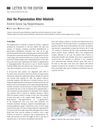 April 2025 in “Turkish Journal of Hematology”
 Nilotinib may cause gray hair to return to its original color.
 March 2026 in “Clinical Cosmetic and Investigational Dermatology”
 The combination therapy is safe and more effective for treating pediatric facial and cervical vitiligo.
January 2025 in “The Pharma Innovation” Nanospanlastic vesicles can improve glaucoma treatment by enhancing drug delivery to the eye.
 18 citations
,
February 2025 in “Drug Delivery and Translational Research”
18 citations
,
February 2025 in “Drug Delivery and Translational Research” The microneedle patches effectively treat allergic conjunctivitis with controlled, sustained release of medication.
 68 citations
,
July 2016 in “Dermatology and Therapy”
68 citations
,
July 2016 in “Dermatology and Therapy” Light and laser therapies show promise for treating Acne Keloidalis Nuchae, but more research is needed.
 15 citations
,
October 2010 in “Archives of Toxicology”
15 citations
,
October 2010 in “Archives of Toxicology” A yeast-based test can detect the steroid methyltestosterone in urine longer than traditional methods.
April 2020 in “The Aesthetics” LED-LLLT helps heal wounds, reduce pain, and regrow hair using specific light wavelengths.
NB-UVB phototherapy is an effective and safe treatment for vitiligo, especially on hands and feet, and can be improved with tacrolimus.
4 citations
,
November 2023 in “Journal of Cosmetic Dermatology” Negative pressure fractional microneedle radiofrequency effectively and safely reduces periorbital aging signs.
40 citations
,
September 2012 in “European Journal of Dermatology” Laser hair removal significantly improves acne keloidalis nuchae, especially with early treatment.
1 citations
,
July 2025 in “Advanced Science” The microneedles effectively kill MRSA and improve wound healing.
September 2022 in “Pharmacy Today” January 2006 in “Dianzi xianwei xuebao” Netherton syndrome causes specific skin and hair changes that help in early diagnosis.
 May 2018 in “Journal of Cosmetic and Laser Therapy”
 The editorial discusses the effectiveness and safety of various laser and energy-based cosmetic treatments.
4 citations
,
August 2015 in “Journal of Cosmetic Dermatology” Sunscreens with UVA blockers effectively reduce skin fluorescence for several hours.