Search
for
Sort by
Research
150-180 / 1000+ results
research Recent advances in oxasteroids chemistry
New methods to make oxasteroids show promise for medical treatments like osteoporosis and breast cancer.

research Niosomes as a propitious carrier for topical drug delivery
Niosomes are promising for skin drug delivery, offering benefits like improved drug penetration and stability.

research SOX9 in organogenesis: shared and unique transcriptional functions
SOX9 is essential for the development of various organs and hair follicles.
research Post-Treatment of Micro-Needling with a Dexpanthenol-Containing Ointment Accelerates Epidermal Wound Healing in Human 3D Skin Models
Using a dexpanthenol ointment after micro-needling speeds up skin healing without affecting benefits.
research Cholesterol and Phospholipid-free Multilamellar Niosomes Regulate Transdermal Permeation of a Hydrophobic Agent Potentially Administrated for Treating Diseases in Deep Hair Follicles
Cholesterol- and phospholipid-free niosomes improve deep skin drug delivery.

research First use of thymus transplantation therapy for FOXN1 deficiency (nude/SCID): a report of 2 cases
Thymus transplantation successfully restored immune function in infants with FOXN1 deficiency.

research Chronic Overlapping Pain Conditions and Nociplastic Pain
Nociplastic type pain, common in Chronic Overlapping Pain Conditions, is a complex, heritable trait linked to 24 unique genetic factors and 127 genes, with potential shared mechanisms in cognitive, personality, and metabolic traits.
research Light‐Activatable Hyaluronic Acid‐Derivatives Releasing Nitric Oxide and Their Delivery in the Skin
Light-activated hyaluronic acid derivatives can enhance skin healing and regeneration.

research Low-dose naltrexone: a novel adjunctive treatment in symptomatic alopecias?
Low-dose naltrexone might be a cheap and effective additional treatment for hair loss with scalp discomfort due to its anti-inflammatory effects and few side effects.
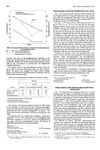
research PERICARDIAL EFFUSIONS ASSOCIATED WITH MINOXIDIL
research Optical hair removal
Optical hair removal devices showed potential for long-term hair removal in 1999.

research Does myo-inositol oxygenase, the only enzyme to catalyze myo-inositol in vivo, play a role in the etiology of polycystic ovarian syndrome?
The enzyme myo-inositol oxygenase is not linked to the cause of polycystic ovarian syndrome.
research Skin abnormalities generated by temporally controlled RXRα mutations in mouse epidermis
RXRα is crucial for hair growth and skin cell function.

research Hoxc13 mutant mice lack external hair
Hoxc13 gene is essential for hair, nail, and papilla development.

research Human FOXN1-Deficiency Is Associated with αβ Double-Negative and FoxP3+ T-Cell Expansions That Are Distinctly Modulated upon Thymic Transplantation
Thymic transplantation normalized some T-cells but not others, maintaining immune function.
research Over-, ectopic-expression of FoxN1 at early life adversely influences lymphopoiesis (HEM3P.280)
Early over-expression of FoxN1 harms immune and skin development.
research QR678 & QR678 Neo Hair Growth Formulations: A Cellular Toxicity & Animal Efficacy Study
QR 678 and QR 678 Neo are safe and promote hair growth, potentially helping chemotherapy-induced hair loss.
research Ni–Cu BimetallicNanozyme and Minoxidil Co-LoadedDissolving Microneedles Reshape Hair Follicle Microenvironment forAndrogenic Alopecia Treatment
A new treatment using dissolvable microneedles with nickel-copper and minoxidil improves hair growth and health in androgenic alopecia.

research Minoxidil nanoliposomes as a hair growth stimulator and a scalp disinfectant.
Minoxidil nanoliposomes boost hair growth and reduce scalp bacteria better than regular minoxidil.

research 1426 Deletion of hoxc13 in frogs reveals key steps in the molecular evolution of cornified skin appendages
Deleting the Hoxc13 gene in frogs shows its crucial role in developing skin structures similar to hair.
research Development of Minoxidil-Loaded Calcium Citrate Nanoparticles
Minoxidil-loaded nanoparticles improve hair loss treatment by enhancing delivery and reducing irritation.
research Anti-inflammatory role of 15-lipoxygenase contributes to the maintenance of skin integrity in mice
15-lipoxygenase helps keep skin healthy by reducing inflammation.

research Learning from nudity: lessons from the nude phenotype
The Foxn1 gene mutation causes hairlessness and immune system issues, and understanding it could lead to hair growth disorder treatments.

research Efficacy of topical nanoemulsion (NB-002) for the treatment of distal subungual onychomycosis: A randomized, double-blind, vehicle-controlled trial
NB-002 is a promising new topical treatment for fungal nail infections, showing better results than a non-medicated option.
research Ultrasound-responsive hydrogel with ROS scavenging and NO controllable release capabilities for accelerated healing of diabetic wounds
The hydrogel speeds up diabetic wound healing by reducing inflammation and promoting skin repair.
research Preparation, physicochemical and clinical evaluation of aminexil niosome in prevention of androgenetic alopecia
Niosomes improve aminexil's effectiveness in preventing hair loss without needing propylene glycol.

research Antioxidant, Black Hair, and Hair Growth Effect of Mixed Extracts of Nardostachys jatamansi, Ocimum basilicum and Crocus sativus
NOC-4 extract promotes black hair and hair growth effectively.
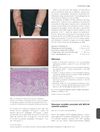
research Phenotypic variability associated withWNT10Anonsense mutations
WNT10A mutations cause varied symptoms in patients with odonto-onycho-dermal dysplasia.
research Μελέτη της έκφρασης των δεικτών πολυδυναμικότητας στις ιδιοπαθείς φλεγμονώδεις νόσους του εντέρου
OCT4B1 and SOX-2 levels are higher in Crohn's and ulcerative colitis patients, possibly aiding tissue repair.