 November 2022 in “Journal of Investigative Dermatology”
 Scientists found a new type of skin cell that could help with skin repair and these cells work better with a certain protein.
April 2010 in “Cancer Research” CDK4 levels affect the number of hair follicle stem cells in mice.
1 citations
,
October 2023 in “Frontiers in Oncology” Genomic profiling for myeloid cancers can find important inherited mutations, but it's challenging when these mutations aren't related to the patient's symptoms.
 12 citations
,
June 2019 in “Actas dermo-sifiliográficas/Actas dermo-sifiliográficas”
12 citations
,
June 2019 in “Actas dermo-sifiliográficas/Actas dermo-sifiliográficas” Proper skin toxicity management in chemotherapy is key to continuing treatment and keeping patient quality of life high.
15 citations
,
January 1989 in “European Journal of Cancer and Clinical Oncology” 153 citations
,
April 1998 in “Current Biology” The risk of skin tumors becoming malignant depends on the specific skin cell type affected.
1 citations
,
January 2019 in “Dermatology Online Journal” A rare skin condition appeared on a 19-year-old woman's scalp.
 August 2023 in “British Journal of Surgery”
 Synthetic hair transplants can lead to skin cancer on the scalp.
 17 citations
,
January 2014 in “Stem Cells Translational Medicine”
17 citations
,
January 2014 in “Stem Cells Translational Medicine” Canine epidermal neural crest stem cells could be a promising treatment for spinal cord injuries in dogs.
19 citations
,
April 2016 in “Case Reports in Dermatology” Nilotinib can cause keratosis pilaris, a skin condition.
Keratinocytes can reverse the effects of the GNAQ oncogene, inhibiting melanoma cell growth.
 3 citations
,
September 2015 in “Journal of Vascular Surgery”
3 citations
,
September 2015 in “Journal of Vascular Surgery” Chemical lumbar sympathectomy is an effective and safe treatment for idiopathic livedo reticularis.
 81 citations
,
November 2012 in “Journal of the National Cancer Institute”
81 citations
,
November 2012 in “Journal of the National Cancer Institute” The tumor suppressor gene FLCN affects mitochondrial function and energy use in cells.
 June 2023 in “Clinical Case Reports”
 Complete surgical removal and regular check-ups are essential for treating a rare skin cancer, and hair transplant can help fix scars from cancer surgery.
 October 2020 in “Our Dermatology Online”
 Chronic bacterial infections of hair follicles can cause ongoing skin inflammation.
 11 citations
,
December 2010 in “Archives of Dermatology”
11 citations
,
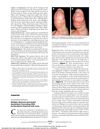
December 2010 in “Archives of Dermatology” A man with rare skin changes on his fingers was diagnosed with multiple myeloma-linked amyloidosis.
January 2013 in “Kidney international” A man with kidney tumors and lung cysts was diagnosed with Birt–Hogg–Dubé syndrome and treated successfully, with genetic testing confirming the diagnosis.
157 citations
,
October 2002 in “Journal of Cutaneous Pathology” p63 may influence skin cancer development and cell differentiation.
March 2007 in “Journal of Cell Science” K10 may not prevent tumors as previously thought and might increase benign tumor risk.
 1 citations
,
May 2025 in “The Journal of Rheumatology”
1 citations
,
May 2025 in “The Journal of Rheumatology” Careful monitoring is crucial to prevent JC virus reactivation in lupus patients treated with rituximab.
January 2018 in “대한피부과학회지” Stopping erlotinib improved severe hair loss and skin issues in a patient.
8 citations
,
January 2014 in “Journal of Stem Cell Research & Therapy” Stem cell therapy improves healing and reduces pain in cutaneous radiation syndrome.
 April 2017 in “Journal of Investigative Dermatology”
 Scientists can control how skin stem cells divide by using different treatments.
 January 2014 in “Pathology”
 RET mutation is important in familial medullary thyroid carcinoma, and BRAF mutation in papillary thyroid carcinoma is linked to more aggressive cancer and higher death rates.
 April 2025 in “Dermatology Practical & Conceptual”
 Biopsy is crucial for accurately diagnosing EPDS to avoid mistaking it for SCC.
11 citations
,
December 2013 in “Clinical and Experimental Dermatology” Sorafenib often causes skin side effects, indicating effective cancer treatment.
45 citations
,
January 2007 in “Journal of Clinical Oncology” Sorafenib may cause hand-foot and stump syndrome, requiring early detection and management.
July 2024 in “Journal of Investigative Dermatology” Baicalin may help treat severe drug-induced skin reactions.
June 2025 in “Proceedings of the National Academy of Sciences” A PIK3CA mutation in Schwann cells causes severe nerve damage and increased glycolysis, but early treatment can help.
 89 citations
,
June 2012 in “Anais Brasileiros de Dermatologia”
89 citations
,
June 2012 in “Anais Brasileiros de Dermatologia” Actinic keratosis can lead to skin cancer, is more common in fair-skinned people, and can be reduced with sunscreen and treated effectively.