May 2017 in “The journal of immunology/The Journal of immunology” Patients with certain FoxN1 gene mutations have severe immune issues but normal skin and hair.
12 citations
,
February 2023 in “Applied and Environmental Microbiology” Mutants of CYP154C2 enzyme significantly improved steroid conversion efficiency.
March 2026 in “Journal of genetics and genomics/Journal of Genetics and Genomics” 
SLC24A5 shows a clear selective sweep, but no link to UV radiation intensity.
February 2026 in “Pediatric Dermatology”  2 citations
,
March 2023 in “Research Square (Research Square)”
2 citations
,
March 2023 in “Research Square (Research Square)” Forensic DNA phenotyping faces challenges due to inconsistent terminology, limited genetic understanding, and debates over technology and models.
 August 2016 in “Journal of Investigative Dermatology”
 Researchers found a new genetic mutation linked to a hair condition in a Japanese boy.
February 2024 in “Zagazig University Medical Journal” TCF7L2 gene polymorphism is linked to alopecia areata, but it doesn't affect the success of PRP or conventional treatments.
8 citations
,
December 2016 in “Hormone Research in Paediatrics” Tunisian children with hereditary vitamin D-resistant rickets showed improvement with calcium treatment, and new genetic mutations were identified.

The document concludes that the development of certain tumors is influenced by genetic background and that a specific gene modification can lead to tumor regression and reduced growth.
27 citations
,
November 2007 in “Genomics” Mutations in specific keratin genes cause improper hair structure in mice due to faulty keratin protein assembly.
January 1990 in “Advances in forensic haemogenetics” Human hair protein patterns are inherited genetically.
 7 citations
,
September 2011 in “International Journal of Dermatology”
7 citations
,
September 2011 in “International Journal of Dermatology” The Korean study found that twenty-nail dystrophy mainly affects adults, more often women, and has five distinct types with different clinical progressions.
58 citations
,
November 2004 in “The journal of investigative dermatology/Journal of investigative dermatology” The Foxn1 gene is essential for normal nail and hair development.
124 citations
,
July 1997 in “Journal of Biological Chemistry” Overexpressing a specific enzyme in mice causes hair loss and female infertility.
December 2004 in “SUNScholar (Stellenbosch University)” Certain genetic markers can indicate a person's risk of developing prostate cancer.
September 2013 in “Helda (University of Helsinki)” Mutations in specific genes cause certain congenital defects in dogs, aiding in understanding similar human diseases.
2 citations
,
January 2008 in “Oxford University Research Archive (ORA) (University of Oxford)” 76 citations
,
January 1998 in “Mammalian Genome”  3 citations
,
December 2021 in “Frontiers in endocrinology”
3 citations
,
December 2021 in “Frontiers in endocrinology” A new mutation in the DCAF17 gene was found in a Chinese family, causing Woodhouse-Sakati syndrome and diabetes.
January 2021 in “Asian Journal of Pharmaceutical and Clinical Research” FT-Raman spectroscopy is effective for identifying drug polymorphs, ensuring quality and stability.
13 citations
,
February 2012 in “International Journal of Dermatology” A new genetic mutation in the CDH3 gene causes hair loss and eye problems in young people.
14 citations
,
February 1991 in “FEBS Letters” Introducing the rat OTC gene partially corrected OTC deficiency in mice.
 89 citations
,
August 2008 in “Human genetics”
89 citations
,
August 2008 in “Human genetics” The EDAR gene greatly affects hair thickness in Asian populations.
 41 citations
,
October 2011 in “Clinical and Experimental Dermatology”
41 citations
,
October 2011 in “Clinical and Experimental Dermatology” G allele of AR Stul polymorphism linked to higher hair loss risk, especially in white people.
Introducing the OTC gene improved symptoms in mice with OTC deficiency.
47 citations
,
September 2002 in “Journal of Bone and Mineral Research” A mutation in the vitamin D receptor causes severe resistance to vitamin D, affecting bone health but not hair growth.
305 citations
,
March 2008 in “AJP Endocrinology and Metabolism” SSAT is a key enzyme affecting cell growth and metabolism, with potential but risky use in disease treatment.
10 citations
,
September 2004 in “PubMed” Vitamin D receptor FokI gene variation is not linked to alopecia areata.
 1 citations
,
September 2017
1 citations
,
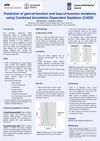
September 2017 C-scores can help predict gain-of-function and loss-of-function mutations.