4 citations
,
April 2012 in “The journal of investigative dermatology/Journal of investigative dermatology” Krt16-deficient mice help understand skin disorders like PC and FNEPPK.
219 citations
,
July 1995 in “PubMed” Keratinocyte growth factor promotes hair growth and reduces hair loss from chemotherapy.
 9 citations
,
January 2008 in “Medical mycology”
9 citations
,
January 2008 in “Medical mycology” A dog's skin infection caused by the fungus Chaetomium globosum was effectively treated with ketoconazole.
1 citations
,
June 2011 in “Journal of Dermatological Case Reports” Shaving and applying erythromycin cream and clotrimazole powder effectively treated trichomycosis axillaris.
April 1992 in “Pediatrics in Review” Quick, simple tests help diagnose children's skin fungal infections.
54 citations
,
July 1994 in “Journal of Dermatological Science” FK506 may stimulate hair growth when applied to the skin.
 March 2026 in “Open MIND”
 Early treatment of scalp infections can prevent permanent hair loss.
 September 2025 in “OBM Genetics”
 Early diagnosis and comprehensive management improve life quality for Netherton syndrome patients.
 September 2021 in “C&EN global enterprise”
 Scientists have created a patch filled with tiny enzymes that can treat hair loss and regrow hair as effectively as common hair-loss drugs, but with fewer applications.
 8 citations
,
January 2007 in “Mycoses”
8 citations
,
January 2007 in “Mycoses” A man's scalp infection, mistaken for bacterial, was actually a rare fungal infection treated successfully with antifungal medication.
1 citations
,
January 2011 in “ScholarlyCommons (University of Pennsylvania)” Notch signaling is crucial for specifying niche cells in Drosophila testis.
5 citations
,
July 1999 in “Journal of Anatomy” Methylene blue staining effectively highlights detailed nerve structures in rat fur.
 December 2015 in “Turk Dermatoloji Dergisi”
 The study found that scalp ringworm is the most common fungal infection in children and topical treatments work well.
1 citations
,
June 2000 in “PubMed” Osteopontin may help hair follicle growth during the catagen phase.
January 1980 in “Lluc: revista de cultura i d'idees” Agaricus bisporus β-Glucan particles could effectively treat cervical cancer and offer antimicrobial and antioxidant benefits.
April 2016 in “Journal of the American Academy of Dermatology”  April 2025 in “Journal of Cosmetic Dermatology”
 The device safely increased hair growth and thickness in men with hair loss.
15 citations
,
December 1972 in “Journal of Investigative Dermatology” 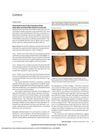 41 citations
,
December 2015 in “JAMA Dermatology”
41 citations
,
December 2015 in “JAMA Dermatology” Tofacitinib citrate improved nail dystrophy and pain in patients with alopecia universalis without causing side effects.
78 citations
,
May 2019 in “Frontiers in Cellular and Infection Microbiology” DPK-060 in poloxamer gel effectively treats skin infections, but nanocarriers don't enhance its efficacy.
4 citations
,
November 1970 in “PubMed” Mustard oil and unsaturated fatty acids can stop the growth of scalp fungus and prevent it from infecting hair.
2 citations
,
October 2001 in “Mycoses” A cat had a rare fungal infection caused by Microsporum gypseum.
 108 citations
,
July 2004 in “American Journal of Pathology”
108 citations
,
July 2004 in “American Journal of Pathology” Stress increases a factor in mice that leads to hair loss, and blocking this factor may prevent it.
7 citations
,
May 1995 in “The journal of investigative dermatology/Journal of investigative dermatology” 7 citations
,
October 2024 in “Pharmaceutics” Clindamycin-loaded nanoparticles effectively treat MRSA-infected wounds and promote healing.
209 citations
,
October 2008 in “The Journal of Pathology” Stem cell niches are essential for tissue health and repair.
March 2026 in “Virulence” Vimentin and keratin help viruses spread and could be targets for antiviral treatments.
The new microneedle system effectively delivers minoxidil for hair regrowth with minimal side effects.
18 citations
,
September 1994 in “Clinical and Experimental Dermatology” Localized trichorrhexis nodosa is a hair condition where hair becomes fragile and breaks easily due to damage.