March 2026 in “Pharmaceutical Biology” Asiaticoside can improve wound healing after ESD by promoting tissue repair and reducing inflammation.
 February 2026 in “International Journal of Molecular Sciences”
 Extracellular vesicles show promise for medical use but face challenges in standardization and safety.
January 2026 in “Medicina” JAK inhibitors show promise for treating various skin disorders effectively and safely.
January 2026 in “Journal of Investigative Dermatology” Special cells can help regrow hair in alopecia areata.
December 2025 in “Journal of Inflammation Research” Improving education, training, and access to affordable treatments is crucial for better managing inflammatory skin diseases in Latin America.
November 2025 in “Biomedicines” Hypochlorous acid is a safe, effective antimicrobial with potential in various medical fields, but more research is needed to improve its stability and use.
October 2025 in “Bioactive Materials” Combining traditional Chinese medicine with microneedles shows promise for effectively treating skin diseases with fewer side effects.
 September 2025 in “Australasian Journal of Dermatology”
 New medications could improve treatment for severe alopecia areata in Australia.
August 2025 in “Biomolecules” CBD may help with skin and hair issues, but more research is needed.
 May 2025 in “Frontiers in Immunology”
 Autoimmune diseases with high tissue recovery often relapse and remit, while those with low recovery rarely remit.

Celiac disease requires more than just a gluten-free diet for effective management.
 January 2025 in “AAPS PharmSciTech”
 Transethosomes improve drug delivery through the skin and show promise for treating various conditions.
January 2025 in “Pharmaceuticals” Nanocarriers can improve antioxidant delivery to the skin but face safety and production challenges.
 July 2024 in “Periodontology 2000”
 Autologous platelet concentrates show promise in esthetic treatments but need more standardized research.
April 2024 in “International journal of molecular sciences” Combination pharmacotherapy is generally more effective for treating keloids and hypertrophic scars.
Light exposure is crucial for health, helping prevent and treat illnesses.
December 2023 in “Pharmaceutics” The new adhesive nanoparticles are effective for delivering Minoxidil to the scalp without skin irritation.
November 2023 in “Journal of Investigative Dermatology” Adipose stem cell exosomes may effectively treat atopic dermatitis by reducing inflammation and improving skin health.
 July 2023 in “IntechOpen eBooks”
 New treatments for alopecia areata show promise, but more research is needed to confirm their effectiveness.

Plant-based compounds can improve wound dressings and skin medication delivery.
May 2023 in “Asian Journal of Transfusion Science” Platelet-rich plasma helps treat hair loss, and better screening improves transfusion safety.
 January 2023 in “International Journal of Molecular Sciences”
 Maxillariinae orchids contain 62 compounds with potential health benefits, including treating skin conditions and diseases like cancer and diabetes.
 July 2022 in “Journal of the Dermatology Nurses' Association”
 The document encourages attending the 2023 Dermatology Nurses' Association Convention.
Diphenyl cresyl phosphate has low toxicity but can harm the liver, kidneys, adrenal glands, and testicles at high doses.
March 2023 in “Anais Brasileiros De Dermatologia” Topical minoxidil is the best-supported treatment for female hair loss, but personalized plans are needed.
 94 citations
,
January 2007 in “Cutaneous and Ocular Toxicology”
94 citations
,
January 2007 in “Cutaneous and Ocular Toxicology” Iranian veterans exposed to sulfur mustard suffer from long-term skin itching and eye damage, with some risk of skin cancer and ongoing management challenges.
32 citations
,
January 2016 in “Development” Sebaceous lipids are crucial for keeping skin and eyes healthy in mice.
 31 citations
,
October 2012 in “Archives of ophthalmology”
31 citations
,
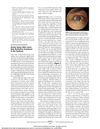
October 2012 in “Archives of ophthalmology” Laser hair reduction near the eyebrows can cause serious eye injuries even with safety measures.
20 citations
,
October 2001 in “British Journal of Ophthalmology” A patient with congenital erythropoietic porphyria showed eye issues due to porphyrin buildup.
 19 citations
,
April 1995 in “Clinical Genetics”
19 citations
,
April 1995 in “Clinical Genetics” Two siblings were the first reported cases of inheriting both eye coloboma and loose anagen syndrome together.