 May 2025 in “Experimental Dermatology”
 Triphenylphosphine oxide can increase oil production and reduce inflammation in skin cells without affecting TRPM5.
July 2023 in “AESTHETIC OROFACIAL SCIENCE” PDO threads improve skin firmness and elasticity with minimal recovery time.
 3 citations
,
January 2005 in “Biological & Pharmaceutical Bulletin”
3 citations
,
January 2005 in “Biological & Pharmaceutical Bulletin” The peptide GPIGS helps hair cells grow and speeds up hair regrowth in mice.
4 citations
,
November 2022 in “Nutrients” Cow placenta extract has strong antioxidant effects and can delay skin aging in mice.
 December 2023 in “Gugje bogeon mi-yong haghoeji”
 Scalp scaling with aroma oil improves scalp condition and user satisfaction.
2 citations
,
December 2013 in “Cancer research” Enobosarm may effectively treat androgen receptor-positive breast cancer with fewer side effects.
 January 2023 in “Kafkas üniversitesi veteriner fakültesi dergisi/Kafkas üniversitesi veteriner fakültesi dergisi”
 Seasonal changes affect gene activity linked to hair growth in Angora goats.
1 citations
,
January 2015 in “China Animal Husbandry & Veterinary Medicine” Four keratin genes are crucial for hair growth in Xinji fine wool sheep.
4 citations
,
July 1987 in “Dermatologic Clinics” 1 citations
,
January 2010 Ornithine decarboxylase is crucial for human hair growth and the hair cycle.
40 citations
,
October 2004 in “Veterinary Dermatology” Trilostane treatment led to full hair regrowth in most Pomeranians and all miniature poodles with alopecia X.
 January 2026 in “National Journal of Pharmaceutical Sciences”
 A new method using gas chromatography effectively measures minoxidil in drugs and biological samples.
 July 2024 in “Journal of Pediatric Endocrinology and Metabolism”
 Ovarian hyperthecosis should be considered in young women with severe male-like symptoms and can be managed with hormone treatments.
 April 2025 in “Antioxidants”
 Rhus semialata gall extract and Penta-O-Galloyl-β-D-Glucose may effectively reduce hair loss.
March 2020 in “Revista Eletrônica da Faculdade de Ceres” Latanoprost's effectiveness for hair growth is not confirmed but shows promise, needing more research.
 14 citations
,
March 2022 in “Clinical Endocrinology”
14 citations
,
March 2022 in “Clinical Endocrinology” The document concludes that a systematic approach is crucial to identify causes of androgen excess in women beyond the most common cause, Polycystic ovary syndrome (PCOS).
EGF and EGFR are important for goat skin development, increasing from weeks 6 to 21.
 November 2023 in “Journal of Bioscience and Bioengineering”
 Exosomes show promise for hair growth but face challenges in standardization and concentration for clinical use.
April 2026 in “Phytotherapy Research” Licorice component glycyrrhizic acid may reduce skin side effects from cancer treatment.
 2 citations
,
December 1994 in “The Journal of clinical endocrinology and metabolism/Journal of clinical endocrinology & metabolism”
2 citations
,
December 1994 in “The Journal of clinical endocrinology and metabolism/Journal of clinical endocrinology & metabolism” The treatment effectively reduced hair growth and was safe for patients with PCOS, but it needs better bleeding control.
 October 2023 in “Russian Journal of Veterinary Pathology”
 Microneedling, oral melatonin, trilostane, and deslorelin acetate implants are the best treatments for alopecia X in dogs.
1 citations
,
August 1989 in “Archives of Dermatology” Minoxidil may promote hair growth by mimicking a natural body process.
 6 citations
,
August 2019 in “Indian drugs”
6 citations
,
August 2019 in “Indian drugs” Ethosomes improve drug delivery through the skin and show promise for treating male pattern baldness.
 April 2014 in “The FASEB Journal”
 Geranium Sibiricum L extract may promote hair growth by increasing growth factors and decreasing inhibitory factors under stress.
2 citations
,
May 2021 in “International journal of molecular sciences” Stem cells from hair follicles in a special gel show strong potential for bone regeneration.
 January 2025 in “Current Drug Delivery”
 TrichoSol™ and TrichoFoam™ are stable and effective for personalized alopecia treatments.
 June 2024 in “The Open dermatology journal”
 The herbal extract is as effective and safe as 3% minoxidil for treating hair loss.
 21 citations
,
May 2005 in “Journal of the American Veterinary Medical Association”
21 citations
,
May 2005 in “Journal of the American Veterinary Medical Association” The exact cause of growth hormone-responsive alopecia in dogs is unclear.
 11 citations
,
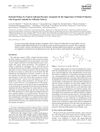
May 2010 in “Journal of Medicinal Chemistry”
11 citations
,
May 2010 in “Journal of Medicinal Chemistry” A new compound was created in 2010 that can control oil production when applied to the skin, and its effects are completely reversible after two weeks.