 May 2026 in “Zenodo (CERN European Organization for Nuclear Research)”
 Biochanin A from soy is a promising and safe candidate for treating hair loss.
 3 citations
,
November 2020 in “Phyton-international Journal of Experimental Botany”
3 citations
,
November 2020 in “Phyton-international Journal of Experimental Botany” Wedelolactone may help treat chronic diseases by acting as an antioxidant and affecting important proteins.
10 citations
,
February 1976 in “The Journal of Dermatology” γ‐Oryzanol ointment increases sebaceous gland activity and sebum production.
 January 1988 in “Chemical and Pharmaceutical Bulletin”
 IND-Ca ointment effectively reduces inflammation with minimal skin irritation.
 7 citations
,
April 2018 in “Cosmetics”
7 citations
,
April 2018 in “Cosmetics” Lipids in Japanese hair help maintain glossiness and structure.
![The Synthesis of (−)-4-Methyl-8-Chloro-Trans-1,2,3,4,4a,5,6,10b-Octahydrobenzo-[f]-Quinolin-3-One-[3-14C] (LY300502-14C) via a Circuitous Route](/images/assets/73bab8dc-bdf0-45e3-8ef7-73d0d4b93cb1/small/21074.jpg) 3 citations
,
October 1994 in “Journal of Labelled Compounds and Radiopharmaceuticals”
3 citations
,
October 1994 in “Journal of Labelled Compounds and Radiopharmaceuticals” Scientists made a carbon-14 labeled version of a drug with a 48% yield and over 99% purity.
 July 2026 in “Zenodo (CERN European Organization for Nuclear Research)”
 Biochanin A from soy is a promising and safe candidate for treating hair loss.
 January 2026 in “Frontiers in Bioscience-Landmark”
 Araliadiol protects skin cells from damage by boosting antioxidant defenses.
December 2025 in “Pharmaceutics” Araliadiol may help reduce skin aging and inflammation without killing cells.
1 citations
,
April 2007 in “The FASEB Journal” Lack of certain fatty acids causes skin, immune, and fertility issues in mice.
 27 citations
,
September 2018 in “Medicines”
27 citations
,
September 2018 in “Medicines” Oleic acid nanovesicles improve minoxidil absorption in hair follicles for alopecia treatment.
 January 2024 in “Journal of Applied Pharmaceutical Science”
 Procyanidin B2 and leucopelargonidin from Saraca asoca may help treat PCOS by balancing hormones.
 1 citations
,
July 2022 in “Plant Cell, Tissue and Organ Culture (PCTOC)”
1 citations
,
July 2022 in “Plant Cell, Tissue and Organ Culture (PCTOC)” The study found that in Eclipta prostrata roots, coumestans come from acetate and shikimate pathways, and phenylpropanoid is made only through the shikimate pathway.
 May 2023 in “Research Square (Research Square)”
 Patients with acne and insulin resistance have different blood metabolites compared to those with only acne, which could help in diagnosis and treatment.
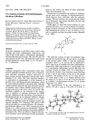 December 1998 in “Acta Crystallographica Section C-crystal Structure Communications”
 A new compound with strong antiandrogenic effects was found, potentially useful for treating conditions like acne and prostate cancer.
4 citations
,
May 2018 in “European journal of dermatology/EJD. European journal of dermatology” Fumaric acid esters might help treat alopecia areata, but more research is needed.
10 citations
,
January 2011 in “Skin research and technology” Procyanidin oligomers can protect hair from oxidative damage and could be good for hair care products.
1 citations
,
February 2005 in “OakTrust (Texas A&M University Libraries)” Diet B improved dogs' skin and hair condition.
28 citations
,
January 2016 in “RSC Advances” A non-toxic formula using polycarboxylic acids strengthens and improves hair.
14 citations
,
July 1977 in “PubMed” Applying linoleic acid to the skin fixed essential fatty acid deficiency symptoms.

Topical latanoprost acid at 0.05% concentration improved hair growth in women with androgenetic alopecia.
6 citations
,
January 2015 in “Journal of clinical & experimental dermatology research” The combination therapy may be more effective for mild alopecia areata, especially in patients with allergies.
 July 2024 in “Biomolecular and Health Science Journal”
 Mycophenolic acid effectively improved hair and nail growth in a lupus patient.
 1 citations
,
March 2023 in “Colloids and surfaces. B, Biointerfaces”
1 citations
,
March 2023 in “Colloids and surfaces. B, Biointerfaces” A new wound dressing with p-Coumaric acid helps heal diabetic wounds faster by reducing inflammation and promoting skin repair.
 May 2026 in “Open Science Framework”
 Biochanin A from soy is a promising and safe candidate for treating hair loss.
 June 2025 in “Natural Product Communications”
 Researchers created 10 new compounds similar to cercidin, which could lead to new antibiotics.
January 1994 in “Memorial University Research Repository (Memorial University)” Oleosomes help cell growth in Sesbania rostrata nodules but don't aid nitrogen fixation.
January 2026 in “Chemistry & Biodiversity” Platycladus orientalis fruit extracts have antioxidant and enzyme-inhibiting properties, useful for health and food applications.
4 citations
,
December 2020 in “Tissue Barriers” Loricrin affects skin immune function and homeostasis.