34 citations
,
September 2019 in “ACS Biomaterials Science & Engineering” Probiotic nanoscaffolds significantly improved burn healing and infection control in mice.
 14 citations
,
November 2020 in “International Journal of Biological Macromolecules”
14 citations
,
November 2020 in “International Journal of Biological Macromolecules” Mushroom-based scaffolds help heal skin wounds and regrow hair.
January 2006 in “Chinese Journal of Aesthetic Medicine” The new artificial derma is better for skin regeneration and biocompatibility.
8 citations
,
March 2007 in “International Journal of Cosmetic Science” 6-O glucose linoleate helps human hair grow and produce lipids.
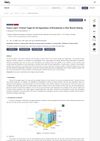 1 citations
,
February 2023 in “International Journal of Molecular Sciences”
1 citations
,
February 2023 in “International Journal of Molecular Sciences” The fascial layer is a promising new target for wound healing treatments using biomaterials.
11 citations
,
August 2024 in “Advanced Healthcare Materials” A new hydrogel with stem cells can repair damaged uterine lining and improve fertility.
Modified pineapple fiber can be used for effective drug delivery, especially for hair loss treatment.
January 2019 in “Springer eBooks” PLGA nanospheres in cosmetics improve skin and hair treatment effectiveness.
 2 citations
,
June 2023 in “Pharmaceutics”
2 citations
,
June 2023 in “Pharmaceutics” Nanofiber scaffolds help wounds heal by delivering drugs directly to the injury site.
6 citations
,
January 2016 in “Open journal of regenerative medicine” Keratin treatment reduces astrocyte reactivity and inflammation.
August 2024 in “Repozitorij Farmaceutsko-biokemijskog fakulteta (Sveučilišta u Zagrebu)” The gel can effectively deliver melatonin through the skin.
8 citations
,
July 2025 in “Gels” Functionalized hydrogels can help heal tissues and fight infections by delivering beneficial bacteria and antimicrobials.
April 2009 in “The FASEB Journal” Keratin biomaterials from human hair help nerve regeneration by activating Schwann cells.
 September 2011 in “Clinical Biochemistry”
 Glycoconjugates help heal hair follicles during skin repair.
12 citations
,
September 1990 in “The Anatomical Record” Human anagen hair follicles have unique carbohydrate patterns during keratinization.
 96 citations
,
September 2021 in “International Journal of Molecular Sciences”
96 citations
,
September 2021 in “International Journal of Molecular Sciences” Chitosan, a natural substance, can be used to create tiny particles that effectively deliver various types of drugs, but more work is needed to improve stability and control of drug release.
6 citations
,
October 2024 in “Frontiers in Bioengineering and Biotechnology” A special hydrogel helps stem cells heal wounds better by boosting growth factors.
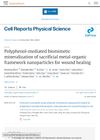 4 citations
,
October 2022 in “Cell Reports Physical Science”
4 citations
,
October 2022 in “Cell Reports Physical Science” New wound healing method using nanoparticles in a gel speeds up healing and reduces infection and inflammation.
 June 2024 in “Synthetic and systems biotechnology”
 A fragment of human type XVII collagen shows great potential for skin health and wound healing.
June 2026 in “Materials Today Bio” The hydrogel helps heal skin and reduce inflammation.
February 2020 in “Spiral (Imperial College London)” Duodenal mucosal resurfacing did not improve insulin sensitivity or reproductive function in women with PCOS.
104 citations
,
January 2022 in “Materials Today Bio” Zn-incorporated gelatin hydrogels effectively heal infected wounds by reducing inflammation and promoting tissue growth.
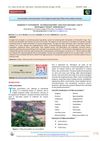 March 2023 in “International journal of pharmaceutical sciences review and research”
 The F2 Emulgel with Tridax procumbens extract showed good physical properties and antimicrobial effectiveness for wound healing.
1 citations
,
January 2023 in “Chemical Engineering Journal” January 2017 in “DR-NTU (Nanyang Technological University)” Keratin sponges are as biocompatible as collagen, but keratin gels are slightly less so.
April 2026 in “International Journal of Biological Macromolecules” 262 citations
,
May 2020 in “Advanced Functional Materials” The hydrogel promotes faster healing of infected wounds by enhancing tissue regeneration and preventing infection.
21 citations
,
September 2019 in “International Journal of Nanomedicine” RADA16-I can effectively deliver and release mangiferin, improving its solubility and bioavailability.
23 citations
,
July 2020 in “Aging Cell” Aging changes sugar molecules on skin stem cells, which may affect their ability to repair skin.