 January 2025 in “The Pharma Innovation”
 Millets support sustainable development by improving nutrition, aiding climate resilience, and boosting economic viability, especially for Indian farmers.
 December 2024 in “Deleted Journal”
 New therapies show promise for wound healing, but more research is needed for safe, affordable options.
 November 2024 in “International Journal of Pharmaceutical Sciences Review and Research”
 The herbal hair gel with curry leaf and flaxseed extracts effectively promotes hair growth and reduces hair fall.
 October 2024 in “Media Farmasi”
 Combining soursop leaf extract with doxorubicin may improve breast cancer treatment and reduce side effects.
 July 2024 in “ADMET & DMPK”
 Surface-modified nanostructured lipid carriers can improve hair growth treatments.
 July 2024 in “International Journal of Dermatology Venereology and Leprosy Sciences”
 Bariatric surgery often causes temporary hair loss due to stress and nutrient deficiencies.
 March 2024 in “International Journal of Drug Delivery Technology”
 Electrospun nanofiber mats are effective drug carriers for improving wound healing.
 February 2024 in “Buletin Veteriner Udayana”
 Using sulfur soap helped improve skin problems in a dog with demodecosis.
 January 2024 in “Seven Editora eBooks”
 Different techniques measure hair properties to ensure cosmetic products work.
 January 2024 in “Frontiers in immunology”
 Histone modification is key in treating chronic inflammatory skin diseases.
 November 2023 in “Frontiers in pharmacology”
 Drug repositioning offers hope for new, affordable treatments for a genetic skin disorder called ARCI.
 June 2023 in “Journal of Ayurvedic and herbal medicine”
 Pumpkin seeds may improve health due to their rich nutrients and potential to treat various conditions.
 February 2023 in “Cosmoderma”
 Combining red LED therapy with beta-carotene is more effective for treating photoaging than red LED therapy alone.
 January 2022 in “International Journal of Science and Research (IJSR)”
 Certain medications can cause hair loss, which varies in severity and can be treated with specific drugs.
 January 2022 in “Medical research archives”
 Taking vitamin D might improve life for MS patients and reduce skin side effects from alemtuzumab treatment.
 October 2021 in “Research Society and Development”
 Herbal medicines can reduce the effectiveness of birth control pills.
 July 2021 in “International Journal of Research in Ayurveda and Pharmacy”
 Natural plant compounds may offer safer COVID-19 treatments with fewer side effects.
 April 2021 in “Journal of Law Public Policies and Human Sciences”
 The described COVID-19 treatments seemed effective in influencing the disease's course, duration, and severity.
March 2021 in “Research Square (Research Square)” Ketoconazole's structure and dynamics are linked, aiding antifungal drug development.
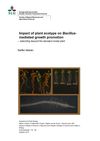 September 2018 in “Epsilon Archive for Student Projects (University of Southampton)”
 Bacillus amyloliquefaciens can boost root hair growth in some Arabidopsis plants, potentially improving agriculture.
 June 2013 in “D-Scholarship@Pitt (University of Pittsburgh)”
 Patients should discuss complementary medicine use with doctors to improve health outcomes.

Wound healing is complex and requires more research to enhance treatment methods.
 October 2025 in “Open Repository of the University of Porto (University of Porto)”
 Pharmacists play a crucial role in personalized therapy, health literacy, and patient care across various health conditions.
7 citations
,
March 2023 in “Frontiers in Veterinary Science” Camelina oil can improve dog coat quality like flaxseed and canola oils.
1 citations
,
June 2016 in “FEBS open bio” Fish oil increased cell growth and macrophages in the skin but didn't affect COX-2 expression.
 4 citations
,
May 2014 in “PubMed”
4 citations
,
May 2014 in “PubMed” Monoethanolamine-based hair colorants can cause more damage to hair than ammonia-based ones.
20 citations
,
October 1995 in “PubMed” November 2025 in “Drug Delivery and Translational Research” 15 citations
,
February 2011 in “Experimental Dermatology” Betamethasone dipropionate reduced skin thickness, fish oil increased it, and combined treatment had no significant effect.
3 citations
,
February 2010 in “PubMed” Higher protein intake might be linked to hair loss.