25 citations
,
March 2024 in “Sustainability” Using food industry waste and fermentation can create sustainable cosmetics.
 18 citations
,
December 2021 in “Foods”
18 citations
,
December 2021 in “Foods” Seaweeds contain beneficial compounds with potential uses in food, cosmetics, and health, but more research is needed to improve extraction and safety.
6 citations
,
May 2024 in “Frontiers in Pharmacology” Natural products may help treat Non-Small Cell Lung Cancer by causing cancer cell death through ferroptosis.
4 citations
,
August 2025 in “Journal of Ovarian Research” More research is needed to confirm if natural products effectively treat PCOS.
 1 citations
,
May 2022 in “Pharmaceutics”
1 citations
,
May 2022 in “Pharmaceutics” Tea seed oil in nanostructured carriers stimulates hair growth and feels less greasy when applied.
 May 2024 in “International Journal of Nanomedicine”
 Biodegradable polymers can improve cannabinoid delivery but need more clinical trials.
74 citations
,
January 2011 in “Reproductive Biology and Endocrinology” Testosterone therapy can improve hormone levels and quality of life in men with morphine-induced hormone issues.
 February 2024 in “Clinical, Cosmetic and Investigational Dermatology”
 Certain fats in the blood are linked to an increased risk of male pattern baldness.
17 citations
,
May 2022 in “Frontiers in Immunology” Reprogramming macrophages to resolve inflammation can help reduce severe COVID-19 complications.
8 citations
,
July 2020 in “Applied Sciences” Complex dietary supplements might help with hair loss, but more reliable testing is needed.
 December 2024 in “Livers”
 Recognizing rare causes of MASLD is crucial for effective treatment and preventing complications.
83 citations
,
August 2020 in “Resources” Macroalgae compounds offer sustainable, effective benefits for cosmetics.
29 citations
,
February 2021 in “Cancers” Ion channels play a key role in ovarian cancer growth and treatment resistance.
6 citations
,
January 2023 in “Evidence-based Complementary and Alternative Medicine” Combining yoga and certain herbs can effectively manage PCOS symptoms and improve quality of life.
 5 citations
,
September 2017 in “Plastic and Aesthetic Research”
5 citations
,
September 2017 in “Plastic and Aesthetic Research” Low dose cyclical nutrition therapy can consistently and safely improve hair growth and density without needing anti-androgens.
Collagen supplements may improve skin, hair, and nails, but more research is needed.
January 2026 in “International Journal of Molecular Sciences” Lifestyle changes and environmental strategies can help address declining testosterone levels.
 11 citations
,
January 2023 in “BioMed Research International”
11 citations
,
January 2023 in “BioMed Research International” Microbial biosurfactants could be a safer and environmentally friendly alternative to chemical surfactants in cosmetics.
August 2025 in “Biomolecules” CBD may help with skin and hair issues, but more research is needed.
2 citations
,
November 2025 in “Nutrition Journal” Probiotic supplements may help reduce inflammation and oxidative stress in women with PCOS.
188 citations
,
December 2020 in “Foods” Polyphenols in plant foods help prevent diseases and have potential uses in food, cosmetics, and more.
1 citations
,
November 2011 in “British journal of pharmacology” Enzymes are classified into six types and are essential for many biological processes, with only a few targeted by drugs.
 December 2024 in “Molecules”
 Bovine milk-derived exosomes may improve skin, hair, gut, brain, and bone health.
March 2024 in “Antioxidants” Excessive blue light harms eye cells and disrupts sleep patterns.
 76 citations
,
February 2021 in “International Journal of Molecular Sciences”
76 citations
,
February 2021 in “International Journal of Molecular Sciences” Mesenchymal stem cells show potential for skin healing and anti-aging, but more research is needed for safe use, especially regarding stem cells from induced pluripotent sources.
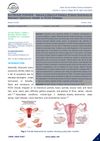 January 2020 in “Asian Journal of Basic Science & Research”
 Nutrease powder, a high-protein, low-carb supplement, can help manage Polycystic Ovary Syndrome symptoms, regulate periods, improve ovulation, and restore fertility.
October 2024 in “Kirkuk journal of medical sciences” Consumers in Kirkuk City use both prescription and nonprescription omega-3 products, but need better understanding of their differences.
 June 2024 in “Current Developments in Nutrition”
 Omega-3 fatty acids may not help and could harm hair loss improvement in middle-aged or elderly men.
March 2023 in “Medico Research Chronicles” Omega-3 fatty acids may help manage hair loss in middle-aged women.
 1 citations
,
December 2019 in “Journal of medicine and life science”
1 citations
,
December 2019 in “Journal of medicine and life science” Docosahexaenoic acid (DHA) may help hair growth by promoting dermal papilla cell proliferation.