17 citations
,
February 2022 in “Microscopy Research and Technique” Scanning electron microscopy and elemental analysis can help identify animal species by their hair patterns and elements.
1 citations
,
August 2024 in “Journal of Morphology” Mammary glands evolved from hair organs in Monodelphis domestica.
 September 2024 in “Frontiers in Veterinary Science”
 A simple enrichment program improves health and reproduction in Calomys callosus.
 12 citations
,
January 2024 in “Editora In Vivo eBooks”
12 citations
,
January 2024 in “Editora In Vivo eBooks” Environmental enrichment improves lab mice welfare and research outcomes.
February 2025 in “Proceedings of the National Academy of Sciences” Only Deomyinae rodents can regenerate complex tissues.
May 2023 in “Frontiers in Veterinary Science” Advancements in reproductive technologies for carnivores help conserve species and offer insights into human reproductive issues.
July 2005 in “Journal of the American Academy of Dermatology” Doctors need better nutrition education to effectively address diet-related health issues.

Wild African goats have genetic adaptations for surviving harsh desert conditions.
 4 citations
,
October 2020 in “Animal Bioscience”
4 citations
,
October 2020 in “Animal Bioscience” Using cans with beans improves Rex rabbits' growth, meat quality, and hair follicle density.
45 citations
,
April 2009 in “Journal of anatomy” Cat claws stay sharp by shedding their outer layer through microcracks formed during activities.
 54 citations
,
September 1972 in “British journal of nutrition”
54 citations
,
September 1972 in “British journal of nutrition” Malnutrition severely harms growth and development in young baboons.
72 citations
,
December 2018 in “Journal of Experimental Zoology Part B Molecular and Developmental Evolution” Corneous beta-proteins evolved uniquely in reptiles and birds, forming scales, claws, beaks, and feathers.
2 citations
,
January 2023 in “Brazilian Journal of Development” Illegal wildlife captivity poses health risks and highlights the need for conservation and public health awareness.
14 citations
,
September 2017 in “General and comparative endocrinology” Barn owls with smaller black spots have higher testosterone levels, which might be due to genetic effects on hormone regulation rather than hormone effects on coloration.
36 citations
,
July 1987 in “Journal of toxicology and environmental health” Rats fed heated oils had less weight gain, more organ damage, and showed signs of toxicity compared to those fed fresh oils.
January 2016 in “Columbia Academic Commons (Columbia University)” Mammalian touch receptors have evolved to detect different features, enhancing our ability to perform various tasks and interact socially.
 April 2023 in “Veterinary world/Veterinary World”
 Six types of bugs were found on goats in Bulgaria, with Linognathus stenopsis being the most common.
January 2026 in “Queensland University of Technology” Dietetic-led cognitive-behavioral therapy may improve treatment for adults with ARFID.
 December 2023 in “Frontiers in microbiology”
 Mannan oligosaccharides improve raccoon dogs' fur quality and overall health.
35 citations
,
April 2021 in “Current Biology” 1 citations
,
January 1917 20 citations
,
August 1979 in “PubMed” Adding zinc to marmosets' water improved their health, indicating their diet lacked enough zinc.
1 citations
,
October 2025 in “BMC Genomics” Goat genes show adaptation to environments and traits like body development, with differences among cashmere, feral, and milk-producing goats.
September 2012 in “British Small Animal Veterinary Association eBooks” Good nutrition is crucial for healthy animal skin and hair.
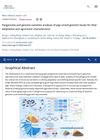
Pangenome analysis reveals key genes for pig adaptation and traits, aiding genetic improvement.
 May 2026 in “Journal of Wildlife and Conservation Medicine”
 Mange-like skin lesions in snow leopards and prey in Kyrgyzstan raise concerns about disease spread.
 46 citations
,
July 2007 in “Journal of comparative neurology”
46 citations
,
July 2007 in “Journal of comparative neurology” Manatee whiskers are specially adapted for touch in water.
November 2016 in “Tesis Doctorals en Xarxa (Consorci de Serveis Universitaris de Catalunya)” The VMH AMPK-SNS-BAT axis may help treat cachexia and obesity.
14 citations
,
August 2013 in “Journal of Parasitology” Mite infestations severely harm the health of endangered Amargosa voles.