1 citations
,
June 2022 in “Journal of Clinical Oncology” Oral minoxidil may help hair regrowth in female cancer survivors.
January 2022 in “International Journal of Clinical Oncology and Cancer Research” Consider Castleman's disease in similar cases; histology and steroids help diagnose and manage it.
 July 2025 in “Current Treatment Options in Oncology”
 Scalp cooling helps prevent hair loss during chemotherapy, and minoxidil aids regrowth.
 4 citations
,
October 2018 in “Asia-Pacific Journal of Clinical Oncology”
4 citations
,
October 2018 in “Asia-Pacific Journal of Clinical Oncology” CDK4/6 inhibitors have improved treatment outcomes for certain advanced breast cancer patients.
 December 1989 in “The Journal of Dermatologic Surgery and Oncology”
 New techniques and findings in dermatologic surgery show improved pain management, safer liposuction, better hair transplantation, and effective treatments for skin conditions.
 68 citations
,
May 2012 in “Annals of Oncology”
68 citations
,
May 2012 in “Annals of Oncology” Some breast cancer chemotherapy can cause permanent hair loss.
 61 citations
,
May 2010 in “Integrative Cancer Therapies”
61 citations
,
May 2010 in “Integrative Cancer Therapies” There is no clear recommendation for using selenium in cancer patients; it may be beneficial to correct low selenium levels before treatment.
 35 citations
,
January 2012 in “The Journal of Sexual Medicine”
35 citations
,
January 2012 in “The Journal of Sexual Medicine” Androgen Deprivation Therapy for prostate cancer often reduces sexual function but intermittent therapy may be more tolerable.
May 2019 in “Journal of clinical oncology” Radiation therapy with chemotherapy can cause severe, long-lasting hair loss.
 4 citations
,
September 2024 in “Oncology Research Featuring Preclinical and Clinical Cancer Therapeutics”
4 citations
,
September 2024 in “Oncology Research Featuring Preclinical and Clinical Cancer Therapeutics” 3D models and organoids improve liposarcoma research and therapy development.
13 citations
,
January 2020 in “Annals of Oncology” Cryotherapy and compression therapy might help prevent chemotherapy nerve damage, but more research is needed.
 21 citations
,
February 2013 in “Clinics in Dermatology”
21 citations
,
February 2013 in “Clinics in Dermatology” New treatments for advanced skin cancer are improving patient outcomes, but drug resistance and finding the right treatment combinations are still big challenges.
 3 citations
,
November 2018 in “Oncology issues”
3 citations
,
November 2018 in “Oncology issues” Cancer survivors often experience worse skin problems from treatment than expected, and working with dermatologists could help improve their condition.
 25 citations
,
February 2017 in “Anticancer Research/Anticancer research”
25 citations
,
February 2017 in “Anticancer Research/Anticancer research” Ozone therapy might improve cancer treatment and reduce its side effects.
 30 citations
,
August 2016 in “Advances in radiation oncology”
30 citations
,
August 2016 in “Advances in radiation oncology” Researchers developed a mouse model that successfully mimics the bladder damage seen in humans after radiation therapy.
 19 citations
,
October 2008 in “Journal der Deutschen Dermatologischen Gesellschaft”
19 citations
,
October 2008 in “Journal der Deutschen Dermatologischen Gesellschaft” Anti-cancer treatments can cause reversible hair loss, skin sensitivity, pigmentation changes, nail damage, and skin reactions, with a need for more research on managing these side effects.
 15 citations
,
May 2021 in “British journal of dermatology/British journal of dermatology, Supplement”
15 citations
,
May 2021 in “British journal of dermatology/British journal of dermatology, Supplement” Cell therapy shows promise for treating severe psoriasis but needs more research to confirm safety and effectiveness.
 6 citations
,
August 2009 in “Arquivos Brasileiros de Ciências da Saúde”
6 citations
,
August 2009 in “Arquivos Brasileiros de Ciências da Saúde” A new system was created to classify skin changes in cancer patients based on their treatment.
 2 citations
,
May 2015 in “PloS one”
2 citations
,
May 2015 in “PloS one” Hair follicle pores help cell survival and growth, even after radiation.
 1 citations
,
November 2018 in “Therapeutic Delivery”
1 citations
,
November 2018 in “Therapeutic Delivery” New partnerships, clinical trials, and drug approvals marked progress in therapeutic delivery in July 2018.
 7 citations
,
May 2016 in “SpringerPlus”
7 citations
,
May 2016 in “SpringerPlus” Some breast cancer patients on hormone therapy experience hair loss, and treatments like certain topical inhibitors and supplements may help without harming their cancer prognosis.
 5 citations
,
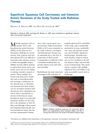
May 2006 in “Dermatologic Surgery”
5 citations
,
May 2006 in “Dermatologic Surgery” Radiation therapy successfully treated an elderly man's skin cancer and pre-cancerous scalp lesions.

Cancer patients in sub-Saharan Africa face significant challenges during chemotherapy, highlighting the need for better patient care and support.
 March 2026 in “Dermatology and Therapy”
 Distinct miRNA signatures could help diagnose and treat severe Alopecia Areata.
Permanent micropigmentation can help cancer survivors feel better about themselves by restoring eyebrows lost during chemotherapy.
 December 2022 in “Otorhinolaryngology, Head and Neck Pathology.”
 Photobiomodulation therapy effectively reduces pain after septoplasty.
 April 2019 in “Journal of Investigative Dermatology”
 Combining platelet-rich plasma injections and gel may effectively treat morphea, improving skin elasticity and reducing pain.
 May 2006 in “Dermatologic Surgery”
 Radiation therapy successfully treated an elderly man's skin cancer and pre-cancerous scalp lesions.
 13 citations
,
January 2012 in “International Journal of Trichology”
13 citations
,
January 2012 in “International Journal of Trichology” Eating too many paradise nuts for cancer prevention caused a woman to lose all her hair due to selenium poisoning.
 31 citations
,
March 2017 in “Journal of The American Academy of Dermatology”
31 citations
,
March 2017 in “Journal of The American Academy of Dermatology” Some breast cancer patients developed permanent hair loss after chemotherapy and hormonal therapy, showing patterns similar to common baldness and alopecia areata.