July 2023 in “International Journal of Trichology” The man's hair turned white suddenly but returned to normal on its own in 6 months.

The study concluded that Frontal fibrosing alopecia can affect younger people, is often missed in men, and may be autoimmune-related.
 June 2023 in “British Journal of Dermatology”
 Baricitinib was effective and safe for severe hair loss treatment over 6 months.
 February 2023 in “Archives of Dermatological Research”
 Laser treatment, especially when combined with other therapies, is effective for hair regrowth in alopecia areata.
December 2021 in “IP Indian journal of clinical and experimental dermatology” PRP therapy significantly improved hair growth in a girl with chronic alopecia areata.
The document concludes that diagnosing female hair loss requires careful examination, with treatments varying by condition and psychological support often necessary.
 October 2018 in “Springer eBooks”
 The document concludes that various hair disorders have different treatments, including medication, surgery, and addressing underlying causes.
 August 2018 in “Journal of The American Academy of Dermatology”
 The study concluded that a new method can effectively assess scalp sun damage in balding men, which increases with age and sun exposure.
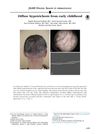 September 2016 in “Journal of The American Academy of Dermatology”
 The girl has a genetic hair condition causing thin hair since childhood.
 September 2013 in “Hair transplant forum international”
 The document says doctors should identify and treat Frontal fibrosing alopecia medically before considering surgery, as treatments often don't work well.
October 2025 in “International Journal of Dermatology” Baricitinib is a safe and effective treatment for alopecia areata, with better results in patients with lower initial severity, shorter disease duration, and longer treatment.
14 citations
,
January 2015 in “Annals of dermatology/Annals of Dermatology” Corticosteroid pulse therapy is more effective for severe alopecia areata than combination therapy.
 December 2024 in “Journal of Population Therapeutics and Clinical Pharmacology”
 Rosemary and kalonji seeds can improve hair health and treat hair conditions.
 February 2024 in “Journal of cutaneous and aesthetic surgery”
 The combined treatment helps improve severe hair loss and reduces the need for other medications.
 April 2023 in “Iraqi postgraduate medical journal”
 Microneedling with clobetasol cream works better for hair regrowth in alopecia areata than clobetasol cream alone.
89 citations
,
August 2018 in “JAMA Dermatology” Contact immunotherapy can improve hair regrowth in alopecia areata patients.
 31 citations
,
July 2017 in “Stem cell investigation”
31 citations
,
July 2017 in “Stem cell investigation” Platelet-rich plasma (PRP) is a simple, cost-effective treatment that promotes hair growth and reduces hair loss, with high patient satisfaction.
6 citations
,
September 2022 in “Vaccines” Some people developed alopecia areata after COVID-19 vaccination, but it's not caused by the vaccine and most improved with treatment.
 4 citations
,
September 2022 in “Dermatologic Therapy”
4 citations
,
September 2022 in “Dermatologic Therapy” Baricitinib helped some patients with tough-to-treat hair loss regrow hair, but more research is needed on its safety.
3 citations
,
March 2025 in “Journal of Clinical Medicine” Ritlecitinib effectively treats alopecia areata with manageable side effects.
 2 citations
,
June 2023 in “Indian journal of dermatology, venereology, and leprology”
2 citations
,
June 2023 in “Indian journal of dermatology, venereology, and leprology” Janus kinase inhibitors can regrow hair in alopecia areata but may cause side effects and hair loss may return if treatment stops.
 2 citations
,
October 2022 in “Skin appendage disorders”
2 citations
,
October 2022 in “Skin appendage disorders” Activated and non-activated PRP are equally safe and effective for treating alopecia areata.
 1 citations
,
January 1967 in “The BMJ”
1 citations
,
January 1967 in “The BMJ” The document concludes that while some hair and scalp disorders can be treated, hair loss from destroyed follicles is permanent, and damaged hair can only regrow naturally.
 May 2026 in “SHILAP Revista de lepidopterología”
 Dupilumab effectively treated severe alopecia areata in a child.
 January 2026 in “Forum Dermatologicum”
 Platelet-rich plasma helps improve skin and hair conditions.
January 2026 in “Dermatologic Therapy” Higher RBP4 levels are linked to severe alopecia areata, but genetic variant rs3758539 doesn't affect baricitinib response.
January 2025 in “Dermatologic Therapy” Alopecia areata affects about 1.93% of people worldwide, with more women affected than men.
April 2024 in “Cosmetics” Wigs help improve self-esteem and quality of life for people with hair loss from alopecia areata.
 February 2024 in “Folia Medica”
 Platelet-rich plasma treatment is effective for hair loss in patients regardless of their thyroid antibody levels.
 February 2024 in “The Open dermatology journal”
 Alopecia Areata affects people of all ages worldwide, is likely caused by genetic and environmental factors, and can lead to stress and depression, highlighting the need for treatments that address both physical and mental health.