 148 citations
,
December 2018 in “Journal of autoimmunity”
148 citations
,
December 2018 in “Journal of autoimmunity” Alopecia areata is an autoimmune disease causing patchy hair loss, often with other autoimmune disorders, but its exact causes are unknown.
1 citations
,
March 2025 in “Pediatric Dermatology” Alopecia areata causes round patches of hair loss, especially in children.
18 citations
,
July 2010 in “Journal of the American Academy of Dermatology” Folliculotropic mycosis fungoides can look like alopecia areata.
 July 2023 in “Deleted Journal”
 Alopecia areata is the most common type of baldness treated with corticosteroids and minoxidil.
September 2023 in “International Journal of Trichology” A rare hair regrowth pattern can occur in some people with alopecia areata.
 1 citations
,
January 1997 in “Archives of Dermatology”
1 citations
,
January 1997 in “Archives of Dermatology” Hair loss from alopecia areata can sometimes regrow in a pattern similar to androgenetic alopecia.
6 citations
,
March 2005 in “Clinical and Experimental Dermatology” Autoimmunity can cause both alopecia areata and idiopathic primary hypophysitis.
January 2022 in “Clinical Cases in Dermatology” A 22-year-old man has alopecia areata, an autoimmune hair loss condition, with various treatments available.
Alopecia areata causes patchy hair loss but hair can regrow on its own.
September 2013 in “Canadian Medical Association Journal” Alopecia areata causes sudden hair loss, often resolves within a year, but can recur.
Corticosteroids and topical irritants are used to treat alopecia areata.
January 2020 in “Dermatology Online Journal” A young Caucasian man experienced a rare type of hair loss on the back of his head.
14 citations
,
August 2004 in “Veterinary Dermatology” The horse had a rare type of hair loss caused by immune cells attacking hair follicles.
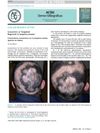 April 2016 in “Actas Dermo-Sifiliográficas”
 The document concludes that a unique target-like hair regrowth pattern in alopecia areata may be more common than thought and should be properly identified.
Alopecia areata often starts around age 23, can be permanent in 30% of cases, and treatments are usually temporary.
5 citations
,
June 2002 in “Clinical and Experimental Dermatology” Alopecia areata management involves explaining the condition, using treatments like steroids and immunotherapy, and providing support like counseling and wigs.
162 citations
,
October 2014 in “Autoimmunity reviews” Alopecia areata is caused by the immune system attacking hair follicles.
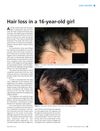 November 2014 in “Prescriber”
 The 16-year-old girl with hair loss was successfully treated for alopecia areata, leading to significant hair regrowth.
 16 citations
,
April 2011 in “Recent Patents on Inflammation & Allergy Drug Discovery”
16 citations
,
April 2011 in “Recent Patents on Inflammation & Allergy Drug Discovery” Alopecia Areata is an autoimmune disease causing hair loss in patches, often starting before age 20, and while some cases recover on their own, treatments include topical corticosteroids, minoxidil, and promising new methods like IL-31 antibodies and 308-nm Excimer laser therapy.
 September 2021 in “CRC Press eBooks”
 Alopecia areata incognita causes sudden hair thinning, responds well to steroids, and is more common in those with genetic hair loss conditions.
2 citations
,
January 2018 Diffuse alopecia areata causes widespread hair thinning due to an autoimmune response.
July 2024 in “Journal of Pakistan Association of Dermatologists” Alopecia areata mainly affects young people, and dermoscopy helps diagnose and assess its severity.
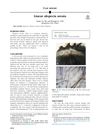 4 citations
,
November 2018 in “JAAD case reports”
4 citations
,
November 2018 in “JAAD case reports” Alopecia areata can sometimes appear as a straight line of hair loss instead of round patches.
 February 2025 in “Dermatology and Therapy”
 Alopecia areata incognita causes sudden hair loss but usually improves with topical steroids.
24 citations
,
January 1985 in “Dermatology” Higher levels of certain immune cells in hair follicles may contribute to alopecia areata.
September 2024 in “Journal of the American Academy of Dermatology” A new type of alopecia areata, called the "confetti variant," causes small bald spots that often heal on their own in a few months.
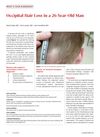 January 2022 in “Consultant”
 The man's occipital hair loss was due to temporal triangular alopecia, not alopecia areata.
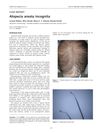 19 citations
,
January 2011 in “Clinics”
19 citations
,
January 2011 in “Clinics” A young woman with a rare hair loss condition improved with steroid and biotin treatment.
 14 citations
,
November 2011 in “Journal of The American Academy of Dermatology”
14 citations
,
November 2011 in “Journal of The American Academy of Dermatology” Alopecia Areata Incognita causes widespread hair thinning, and treatment with systemic corticosteroids and psychiatric support can lead to remission.
 2 citations
,
October 2025 in “Discover Immunity.”
2 citations
,
October 2025 in “Discover Immunity.” Alopecia Areata is an autoimmune disease causing hair loss, with no cure yet, but research may lead to new treatments.