 90 citations
,
January 2021 in “Clinical Endocrinology”
90 citations
,
January 2021 in “Clinical Endocrinology” Obesity increases the risk of developing polycystic ovary syndrome, and weight loss can improve the condition.
 52 citations
,
October 2016 in “Clinics in Dermatology”
52 citations
,
October 2016 in “Clinics in Dermatology” Some medications can cause acne, and stopping these drugs is the main treatment.
 April 2017 in “European Psychiatry”
 Some antidepressants can cause emotional numbness and other unusual side effects.
 April 2026 in “Biomolecules”
 New treatments for PCOS using smart drug delivery, metabolic changes, and AI show promise but need more research.
 1 citations
,
April 2024 in “Sri Lanka Journal of Obstetrics and Gynaecology/Sri Lanka Journal Of Obstetrics and Gynaecology”
1 citations
,
April 2024 in “Sri Lanka Journal of Obstetrics and Gynaecology/Sri Lanka Journal Of Obstetrics and Gynaecology” PCOS is a common hormonal disorder in women that can lead to serious health problems.
 December 2025 in “Zenodo (CERN European Organization for Nuclear Research)”
 Current drug safety systems fail to detect long-term side effects, leading to preventable health issues.
 1 citations
,
March 2024 in “Türk Kadın Sağlığı ve Neonatoloji Dergisi”
1 citations
,
March 2024 in “Türk Kadın Sağlığı ve Neonatoloji Dergisi” PCOS is common in women, often treated with lifestyle changes and oral contraceptives.
 989 citations
,
August 2007 in “The Lancet”
989 citations
,
August 2007 in “The Lancet” PCOS is a complex condition with major health impacts, needing more research for better diagnosis and treatment.
 October 2008 in “Clin-alert”
 Certain medications can reduce mortality risk in COPD patients, but others can increase risks of cardiovascular issues, postoperative delirium, and other adverse effects.
 November 2023 in “L'Endocrinologo”
 Women with PCOS are more likely to experience sexual dysfunction, but lifestyle changes and weight loss can improve sexual function.
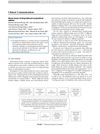 4 citations
,
July 2018 in “The Journal of Allergy and Clinical Immunology: In Practice”
4 citations
,
July 2018 in “The Journal of Allergy and Clinical Immunology: In Practice” Four new substances—minoxidil, ferrimanitol ovalbumin, clarithromycin, and glucosamine-hydrochloride—can cause occupational asthma.
June 2025 in “British Journal of Dermatology” Low-dose oral minoxidil is increasingly used by dermatologists in the UK and Ireland to treat various hair loss conditions.
 4 citations
,
February 2013 in “Revista De Saude Publica”
4 citations
,
February 2013 in “Revista De Saude Publica” Pill organizers and cutters can help with taking medication regularly but may affect the medication's effectiveness and safety.
 April 2024 in “International Journal of Advanced Research in Science Communication and Technology”
 Ayurvedic plants may help treat PCOD by affecting hormones and ovarian health.
26 citations
,
January 1992 in “Carcinogenesis” TPA strongly increases ODC activity in certain skin cells, potentially aiding tumor growth.
 March 2026 in “Inflammopharmacology”
 Ursolic acid from Ochrosia elliptica leaves may help manage PCOS symptoms.
 42 citations
,
January 2006 in “Obstetrical & Gynecological Survey”
42 citations
,
January 2006 in “Obstetrical & Gynecological Survey” The document concludes that correct diagnosis and management of PCOS are important, and more research is needed on its risks and treatments.

Polycystic ovary syndrome (PCOS) affects about 10% of women, is often linked to obesity and family history, and can cause irregular periods, fertility issues, and other symptoms. It's usually managed with lifestyle changes, weight loss, and medication.
 July 2023 in “JCEM Case Reports”
 A 36-year-old woman with low potassium levels was found to have Cushing disease, and after treatment, her potassium levels normalized.
March 1999 in “Annals of the Academy of Medicine Singapore” Trichotillomania is a chronic condition where people uncontrollably pull out their hair, often needing medication and therapy for treatment.
4 citations
,
March 2017 in “Revista del Hospital Italiano de Buenos Aires” PCOS is a common disorder in women causing hormonal imbalance and fertility issues, often managed with lifestyle changes and medication.
 July 2024 in “Journal of Pediatric Endocrinology and Metabolism”
 Ovarian hyperthecosis should be considered in young women with severe male-like symptoms and can be managed with hormone treatments.
2 citations
,
February 2000 in “International Journal of Dermatology” Hepatitis C and alcohol abuse may lead to porphyria cutanea tarda.
 July 2015 in “NEJM Journal Watch”
 Diagnosing and treating PCOS in young people is difficult.
 January 2015 in “Springer eBooks”
 The document concludes that managing PCOS involves lifestyle changes, medication, and monitoring for associated health risks.
September 2025 in “Healthcare” SSRIs may help manage sexual behavior in dementia patients, but they can cause long-lasting sexual dysfunction.
August 2025 in “Obstetrics and gynecology.” PCOS requires personalized treatment to manage symptoms and improve fertility and quality of life.
 22 citations
,
October 2017 in “Australian & New Zealand Journal of Obstetrics & Gynaecology”
22 citations
,
October 2017 in “Australian & New Zealand Journal of Obstetrics & Gynaecology” Many young Australian women think they have PCOS, but only a few are diagnosed correctly, causing unnecessary worry.
 January 2025 in “The Journal of Clinical Endocrinology & Metabolism”
 Diagnosing PCOS is challenging due to its complex and varied symptoms.
35 citations
,
June 1997 in “Annals of the New York Academy of Sciences” Early diagnosis and multidisciplinary care are crucial for managing PCOS in adolescents.