 April 2026 in “Human Genome Variation”
 The MBTPS2 gene variant c.970+5G>A is a common mutation causing IFAP syndrome.
3 citations
,
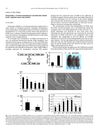
April 2022 in “Research Square (Research Square)” PBX1 reduces aging and cell death in stem cells by boosting SIRT1 and lowering PARP1.
 7 citations
,
December 2008 in “Journal of Dermatological Science”
7 citations
,
December 2008 in “Journal of Dermatological Science” Progranulin overexpression leads to shorter, thinner hair and increased cell death in mouse hair follicles.
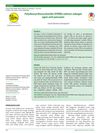 February 2025 in “Intisari Sains Medis”
 PDRN from salmon may slow skin aging by improving skin quality and reducing inflammation.
 1 citations
,
June 2021 in “Biomolecules & Therapeutics”
1 citations
,
June 2021 in “Biomolecules & Therapeutics” Activating δ-opioid receptors can help hair grow.
 31 citations
,
March 2020 in “International Journal of Regenerative Medicine”
31 citations
,
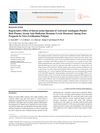
March 2020 in “International Journal of Regenerative Medicine” PRP treatment can safely boost hormone levels in some IVF patients with low ovarian reserve.
14 citations
,
February 2011 in “Experimental dermatology” A protein called COMP is part of the connective tissue in normal human hair follicles and may be important for hair health.

Inhibiting AP-1 changes skin tumor types and affects tumor cell identity.
503 citations
,
May 2009 in “Cell stem cell” Lrig1 marks a unique group of stem cells in mouse skin that can become different skin cell types.
 June 2026 in “Cell Regeneration”
 The olfactory epithelium can regenerate throughout life, aided by specific cells, genes, and new research methods.
November 2025 in “Journal of Investigative Dermatology” Alpha-MSH affects mitochondrial function, and MC1R mutations may increase skin aging.
 November 2022 in “Journal of the Endocrine Society”
 A boy with a new NR5A1 gene mutation has a sex development disorder without affecting his adrenal glands.
51 citations
,
September 2000 in “Acta dermato-venereologica” PPAR alpha may help in hair growth and could be a target for treatment.
 April 2017 in “The journal of investigative dermatology/Journal of investigative dermatology”
 Astrotactin2 affects hair follicle orientation and skin cell polarity.
January 2025 in “Fìzìologìčnij žurnal” PDRN may reduce inflammation and complications in revision rhinoplasty for patients with high fibrinogen levels.
November 2020 in “Journal of animal science/Journal of animal science ... and ASAS reference compendium” Certain genetic variants in PRLR and PCCA genes may lead to shorter hair in cattle, which could help with heat tolerance.
 February 2024 in “BMC genomics”
 The TRPV3 gene variant may cause the long-haired suri alpaca coat.
2 citations
,
June 2013 in “Journal of Clinical Pathology” The LMNA mutation affects skin structure even in asymptomatic carriers.
7 citations
,
March 2023 in “The Journal of Biochemistry” LONRF1 is important for oxidative damage response and tissue remodeling during wound healing.
Obstructive sleep apnea can be hereditary and linked to a genetic mutation in the COL1A2 gene.
January 2022 in “SSRN Electronic Journal” LncRNA RP11-818024.3 helps hair growth and recovery in hair loss by boosting cell survival and reducing cell death.
February 2020 in “Spiral (Imperial College London)” Duodenal mucosal resurfacing did not improve insulin sensitivity or reproductive function in women with PCOS.
1 citations
,
December 2021 in “Development & Reproduction” Lack of FPR2 slows hair growth by affecting hair cell activity.
9 citations
,
March 2018 in “International journal of molecular sciences” Allopregnanolone changes gene expression in glioblastoma cells.
 January 2017 in “Jikken doubutsu ihou/Jikken doubutsu/Experimental animals/Jikken Dobutsu”
 Mice with a changed Hr gene lose and regrow hair due to changes in the gene's activity.
Children with Parry Romberg Syndrome had successful facial fat-grafting surgeries after disease stabilization with no complications.
57 citations
,
July 2000 in “Toxicology Letters” K6/ODC transgenic mice are effective for quickly identifying cancer-causing chemicals.
47 citations
,
September 2012 in “Human molecular genetics online/Human molecular genetics” Folliculin deficiency causes problems with cell division and positioning due to disrupted RhoA signaling and interaction with p0071.
26 citations
,
December 1999 in “Journal of Investigative Dermatology” Certain genes are linked to wool follicle structure and function, but not hair cycle regulation.
12 citations
,
November 2012 in “BioMolecular Concepts” PPAR β/δ is important for skin health and disease treatment, but more research is needed.