 5 citations
,
January 2021 in “Journal of The American Academy of Dermatology”
5 citations
,
January 2021 in “Journal of The American Academy of Dermatology” Low-dose oral minoxidil is an effective and safe treatment for hair loss.
 2 citations
,
February 2009 in “Journal of the American Academy of Dermatology”
2 citations
,
February 2009 in “Journal of the American Academy of Dermatology” Injecting triamcinolone into the eyebrow area may help eyelash regrowth in alopecia areata patients.
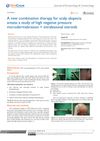 February 2018 in “Journal of dermatology & cosmetology”
 Combining microdermabrasion with steroid injections improves hair regrowth in scalp alopecia areata.
Combining ATRA with TPO-RA effectively stabilizes platelet counts in ITP patients.
 8 citations
,
June 2022 in “Frontiers in Medicine”
8 citations
,
June 2022 in “Frontiers in Medicine” Both individual and combined treatments of tofacitinib and corticosteroids can help regrow hair in moderate-to-severe alopecia areata, but ongoing treatment may be necessary.
Introducing the OTC gene improved symptoms in mice with OTC deficiency.
4 citations
,
October 2016 in “The journal of investigative dermatology/Journal of investigative dermatology” Using an anti-ICAM-1 antibody with rapamycin improves hair transplant survival in monkeys.
4 citations
,
January 2010 in “International journal of trichology” Bexarotene gel shows promise as a new treatment for alopecia areata.
 3 citations
,
August 2022 in “JAAD case reports”
3 citations
,
August 2022 in “JAAD case reports” A woman developed swelling in her body after taking low-dose oral minoxidil for hair loss, but it resolved after stopping the medication.
 April 2024 in “Journal of asthma and allergy”
 Abrocitinib effectively treated severe atopic dermatitis and mild alopecia areata in a 12-year-old boy after dupilumab failed.
 March 2026 in “Clinical Cosmetic and Investigational Dermatology”
 Upadacitinib improved multiple immune-related conditions in one patient.
44 citations
,
May 1998 in “PubMed” The retinoid receptor antagonist effectively disrupts vitamin A-related development in embryos.
July 2024 in “Journal of Investigative Dermatology” Low-dose oral minoxidil is safe for alopecia patients, even those prone to edema.
July 2025 in “Journal of Investigative Dermatology” Enhancing Tregs can protect against alopecia areata.
 April 2026 in “Amino Acids”
 Polyamines are crucial for skin tumor development, and inhibiting them can prevent tumors.
 June 2010 in “Chin J Postgrad Med”
 Using prednisone, zinc, and minoxidil together effectively treats hair loss with long-term benefits and is safe to use.
 October 2024 in “Journal of the Endocrine Society”
 Bilateral salpingo-oophorectomy resolved hyperandrogenism in a postmenopausal woman with rare ovarian tumors.
5 citations
,
October 2021 in “Journal of the American Academy of Dermatology” PRAME helps distinguish between benign and malignant skin cells in most cases.
 4 citations
,
December 2016 in “Journal of Pakistan Association of Dermatology”
4 citations
,
December 2016 in “Journal of Pakistan Association of Dermatology” Using isotretinoin gel and minoxidil solution together effectively regrows hair in most people with patchy hair loss.
Scalp cooling is recommended to prevent chemotherapy-induced hair loss, but no effective drugs are available.
June 2025 in “Veterinary Sciences” Oclacitinib effectively treated a diabetic cat's severe skin issues without raising glucose levels, and surgery fixed eyelid fusion.
 June 2023 in “Journal of cosmetic dermatology”
 Both DPCP alone and with PRP are effective and safe for treating severe alopecia areata.
The treatment was not recommended due to limited effectiveness and significant side effects.
 November 2021 in “Revista Ibero-Americana de Humanidades, Ciências e Educação”
 The document does not give specific results for hair loss treatment effectiveness.
 April 2019 in “Journal of Investigative Dermatology”
 Non-coding RNA boosts retinoic acid production and signaling, aiding regeneration.
 2 citations
,
September 1987 in “International Journal of Dermatology”
2 citations
,
September 1987 in “International Journal of Dermatology” Minoxidil caused hair to grow in unintended areas, like a tail, in a young girl.
36 citations
,
July 2017 in “Journal of controlled release” A new method allows for controlled, long-lasting delivery of retinoic acid through the skin with fewer side effects.
 June 2026 in “Frontiers in Immunology”
 Upadacitinib effectively treated severe atopic dermatitis, vitiligo, and alopecia areata in one patient.
June 1992 in “The Journal of dermatologic surgery and oncology”  5 citations
,
March 2005 in “Journal of The American Academy of Dermatology”
5 citations
,
March 2005 in “Journal of The American Academy of Dermatology”