 February 2026 in “American Journal of Clinical Dermatology”
 Spironolactone is effective for treating female hair loss, with new treatments like clascoterone showing promise.
December 2025 in “Cosmetics” New treatments for alopecia show promise in restoring hair growth by targeting immune and hormonal factors.
 April 2022 in “Medicina estética”
 Minoxidil is the only FDA-approved treatment for female hair loss, with other potential treatments needing more research for effectiveness.
 October 2004 in “Australian Prescriber”
 Agalsidase alfa helps treat Fabry's disease but needs more research for long-term benefits.
 64 citations
,
June 2010 in “Journal of The European Academy of Dermatology and Venereology”
64 citations
,
June 2010 in “Journal of The European Academy of Dermatology and Venereology” Finasteride improves hair density and thickness in women with hair loss.
 44 citations
,
January 2013 in “International Journal of Trichology”
44 citations
,
January 2013 in “International Journal of Trichology” Finasteride 5 mg/day effectively treats hair loss in postmenopausal women without hyper-androgenism.
 6 citations
,
January 2017 in “Annals of Dermatology”
6 citations
,
January 2017 in “Annals of Dermatology” Combination of 17α-estradiol and minoxidil improves hair growth and reduces hair loss in most patients.
 88 citations
,
June 2016 in “Human Reproduction Update”
88 citations
,
June 2016 in “Human Reproduction Update” New hormonal contraceptives are safer, have fewer side effects, and offer health benefits for women.
 195 citations
,
May 2003 in “Obstetrics and gynecology (New York. 1953. Online)/Obstetrics and gynecology”
195 citations
,
May 2003 in “Obstetrics and gynecology (New York. 1953. Online)/Obstetrics and gynecology” Most women with excess hair growth have an underlying hormonal issue, often treated with medication and hair removal methods.
 128 citations
,
March 2016 in “Advanced Pharmaceutical Bulletin”
128 citations
,
March 2016 in “Advanced Pharmaceutical Bulletin” Smaller nanoparticles penetrate skin better, especially through hair follicles.
 82 citations
,
January 2000 in “Hormone Research in Paediatrics”
82 citations
,
January 2000 in “Hormone Research in Paediatrics” DHEA stimulates skin oil glands and could help postmenopausal women, with potential for acne and excessive hair growth treatments.
 75 citations
,
July 2013 in “The Journal of Clinical Endocrinology and Metabolism”
75 citations
,
July 2013 in “The Journal of Clinical Endocrinology and Metabolism” Taking low-dose spironolactone and metformin together works better for PCOS symptoms than either drug alone.
 50 citations
,
July 1996 in “Fertility and Sterility”
50 citations
,
July 1996 in “Fertility and Sterility” Finasteride effectively treats hirsutism in women, but more research needed for long-term results.
 33 citations
,
October 1994 in “The Journal of Clinical Endocrinology and Metabolism”
33 citations
,
October 1994 in “The Journal of Clinical Endocrinology and Metabolism” Finasteride reduces hair growth and is safe for women with excessive hair.
 29 citations
,
January 2007 in “Dermatologic Clinics”
29 citations
,
January 2007 in “Dermatologic Clinics” Photodynamic Therapy is an effective treatment for mild to severe acne.
 23 citations
,
July 1993 in “Pharmacotherapy”
23 citations
,
July 1993 in “Pharmacotherapy” Finasteride treats enlarged prostate and baldness, but may cause limited urinary improvement and sex-related side effects.
 22 citations
,
September 1994 in “The Journal of Clinical Endocrinology and Metabolism”
22 citations
,
September 1994 in “The Journal of Clinical Endocrinology and Metabolism” Finasteride reduces dihydrotestosterone, increases testosterone, and may treat hirsutism in women.
 20 citations
,
December 1995 in “International Journal of Pharmaceutics”
20 citations
,
December 1995 in “International Journal of Pharmaceutics” Liposomes can make the antiandrogen RU 58841 more effective for skin application by reducing absorption, increasing skin retention, and targeting sebaceous structures.
 18 citations
,
December 2014 in “Obstetrics and Gynecology Clinics of North America”
18 citations
,
December 2014 in “Obstetrics and Gynecology Clinics of North America” Losing 5-10% body weight can improve PCOS symptoms, letrozole is better than clomiphene for fertility, and managing weight and blood sugar is important to reduce pregnancy complications.
 15 citations
,
May 2016 in “Die Pharmazie”
15 citations
,
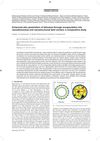
May 2016 in “Die Pharmazie” Nanostructured lipid carriers deliver lidocaine to the skin better than nanoethosomes.
 14 citations
,
November 2018 in “Journal of Cosmetic Dermatology”
14 citations
,
November 2018 in “Journal of Cosmetic Dermatology” PRP therapy safely improves hair growth in people with hair loss.
 14 citations
,
April 2006 in “Expert Review of Dermatology”
14 citations
,
April 2006 in “Expert Review of Dermatology” Antiandrogen therapy helps treat genetic hair loss.
 12 citations
,
December 2002 in “Fertility and Sterility”
12 citations
,
December 2002 in “Fertility and Sterility” Spironolactone plus finasteride works better for treating hirsutism.
 10 citations
,
September 2015 in “Gynecological Endocrinology”
10 citations
,
September 2015 in “Gynecological Endocrinology” Both treatments reduced excessive hair growth in PCOS, but there was no difference in weight, hair score, hormone levels, or insulin resistance.
 10 citations
,
November 2014 in “Sexual medicine reviews”
10 citations
,
November 2014 in “Sexual medicine reviews” Effective, well-tolerated, and affordable treatments are needed for recurrent ischemic priapism.
 8 citations
,
February 2010 in “Journal of Dermatology”
8 citations
,
February 2010 in “Journal of Dermatology” A topical treatment safely and effectively reduced acne by causing targeted cell death in sebaceous glands without side effects.
 5 citations
,
September 2011 in “Bioorganic & Medicinal Chemistry Letters”
5 citations
,
September 2011 in “Bioorganic & Medicinal Chemistry Letters” Pfizer found that pantolactam-based compounds can reduce sebum (skin oil) production when applied topically.
 2 citations
,
May 2001 in “Current problems in dermatology”
2 citations
,
May 2001 in “Current problems in dermatology” The conclusion is that effectively treating hair disorders is difficult due to the complex factors affecting hair growth and more research is needed to improve treatments.

Female hair loss is often hereditary and can be treated with medication, hair transplants, and lasers.
 658 citations
,
June 2003 in “Endocrine reviews”
658 citations
,
June 2003 in “Endocrine reviews” Male hormones may play a role in the development of heart disease, and more research is needed to understand their effects.