October 2025 in “Annals of Medicine and Surgery” Retinoids may improve hair growth in androgenic alopecia when used with other treatments.
The levels of zinc, vitamin D, ferritin, and selenium are different in people with androgenic alopecia compared to a control group.
 April 2026 in “International Journal of Advanced Biochemistry Research”
 Aegle marmelos fruit extract can protect against arsenic toxicity in mice.
 January 2021 in “ABC Heart Failure & Cardiomyopathy”
 A 90-year-old man was diagnosed with heart failure due to wild-type transthyretin cardiac amyloidosis.
September 2024 in “Digital Commons - University of South Florida (University of South Florida)” Hormones can change ptarmigan feather color from white to pigmented.
 1 citations
,
April 2016 in “Journal of Investigative Dermatology”
1 citations
,
April 2016 in “Journal of Investigative Dermatology” Prostaglandin D2 increases testosterone levels in skin cells through reactive oxygen species, not enzymes, which could lead to new hair loss treatments.
1 citations
,
September 2021 in “Journal of Cosmetic Dermatology” Certain gene variations may increase the risk of hair loss in Egyptians.
May 2023 in “Asian Journal of Transfusion Science” Platelet-rich plasma helps treat hair loss, and better screening improves transfusion safety.
May 2019 in “Clinica chimica acta” The study developed methods to measure biomarkers in mice and found differences in hormone levels linked to gut microbiota diversity and stress response.
 May 2025 in “International Journal of Science and Research (IJSR)”
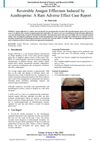
 Stopping azathioprine led to full hair regrowth and recovery in 2.5 months.

Some bacteria use arsenic compounds as antibiotics, and others have evolved resistance; a particular arsenic-based compound shows potential as a new antimalarial treatment.
Ritlecitinib can reduce inflammation and help hair regrow in Alopecia Areata.
19 citations
,
September 2013 in “Psychoneuroendocrinology” Blocking CYP17A1 enzyme may help improve certain brain function issues related to dopamine.
2 citations
,
June 2004 in “Journal of Molecular Histology” 71 citations
,
June 2005 in “Journal of Investigative Dermatology” PAD enzymes play a key role in hair growth and structure.
 48 citations
,
July 1996 in “Human & Experimental Toxicology”
48 citations
,
July 1996 in “Human & Experimental Toxicology” Human enzymes can detoxify harmful substances but might also increase their cancer risk.
5 citations
,
February 1981 in “Experientia” A new gene causes hairlessness and skin cysts in rats.
 1 citations
,
November 1987 in “Journal of The American Academy of Dermatology”
1 citations
,
November 1987 in “Journal of The American Academy of Dermatology” Isotretinoin can raise CPK levels, so patients need monitoring, especially before surgery.
14 citations
,
July 2021 in “Bioscience Reports” Activating Tgr5 may help treat hair loss and bone loss.
June 2025 in “Journal of Kufa for Chemical Sciences” Higher adrenaline and prolactin levels may indicate stress-related alopecia areata in adults.
September 2025 in “Blood Advances” Targeting androgen receptor signaling may improve acute myeloid leukemia treatment.
3 citations
,
October 2025 in “Cancer” PROTACs offer a new, precise way to treat cancer by breaking down harmful proteins.
6 citations
,
June 2023 in “Experimental Dermatology” Targeting mitophagy may help treat alopecia areata by reducing inflammasome activation.
May 2019 in “Journal of Evidence Based Medicine and Healthcare” Alopecia Areata is often linked to other health issues like allergies, thyroid problems, and diabetes.
130 citations
,
January 2000 in “Nature biotechnology”  February 2024 in “International Journal of Research in Dermatology”
 Thyroid tests may not be needed for all vitiligo and alopecia areata patients unless thyroid disease symptoms appear.
 January 2023 in “International journal of dermatology, venereology and leprosy sciences”
 People with alopecia areata have different blood markers that suggest inflammation and immune system issues compared to healthy individuals.
43 citations
,
April 2005 in “The Journal of Dermatology” Biotin supplements improved skin and hair in a biotin-deficient infant on amino acid formula.
 March 2014 in “Journal of The American Academy of Dermatology”
 Azathioprine treatment led to rapid hair regrowth in a woman with alopecia universalis.
January 2026 in “Journal of Cosmetic Dermatology” Topical 4-aminopyridine 5% does not improve hair growth in male pattern baldness.