June 2026 in “British Journal of Dermatology” Oral JAK inhibitors effectively regrow hair in alopecia areata with a good safety profile.
The study successfully gathered a diverse group of 438 women to understand the prevalence of polycystic ovary syndrome, with most participants recruited online and at community fairs.
 February 2025 in “International Journal of Molecular Sciences”
 RORA plays a key role in controlling seasonal hair molting by affecting hair follicle cell activity.
 January 2025 in “Journal of Cutaneous Immunology and Allergy”
 Baricitinib is effective for treating severe alopecia areata in Japanese patients, but long-term safety needs more study.
January 2004 in “Indian Journal of Nephrology”  2 citations
,
June 2019 in “Boletín médico del Hospital Infantil de México”
2 citations
,
June 2019 in “Boletín médico del Hospital Infantil de México” Tofacitinib treatment is used for teenagers with alopecia areata.
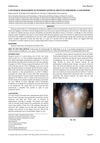 March 2016 in “Journal of evolution of medical and dental sciences”
 Combining OMP with cyclosporine can effectively treat severe alopecia areata in children.
36 citations
,
October 2009 in “Journal of biological chemistry/The Journal of biological chemistry” Two new compounds were found to build bone and muscle without affecting reproductive organs and skin oil glands.
 6 citations
,
February 2023 in “Journal of the American Academy of Dermatology”
6 citations
,
February 2023 in “Journal of the American Academy of Dermatology” Upadacitinib improved hair regrowth and quality of life in alopecia areata patients with minimal side effects.
January 2019 in “프로그램북(구 초록집)” Both tofacitinib and ruxolitinib are effective and tolerable for treating alopecia areata.
April 2025 in “International Journal of Dermatology” JAK inhibitors effectively reduce alopecia areata symptoms in Black patients.
December 2025 in “International Journal of Dermatology” Combining low-dose oral minoxidil with immunomodulators shows promise for treating alopecia areata but needs more research.
 August 2023 in “International journal of research in dermatology”
 Janus kinase inhibitors are effective and generally safe for treating hair loss in adults with alopecia areata.
 1 citations
,
January 2003 in “Expert Opinion on Therapeutic Patents”
1 citations
,
January 2003 in “Expert Opinion on Therapeutic Patents” Steroid sulfatase inhibitors could potentially treat hormone-related disorders like certain cancers, hair loss, acne, and improve cognitive dysfunction.
53 citations
,
July 2018 in “Drug design, development and therapy” Janus kinase inhibitors show promise in treating alopecia areata but need better topical formulations.
 178 citations
,
May 2006 in “Developmental Dynamics”
178 citations
,
May 2006 in “Developmental Dynamics” Jumonji genes are important for development and their mutations can cause abnormalities, especially in the heart and brain.
 9 citations
,
January 2008 in “Acta histochemica et cytochemica”
9 citations
,
January 2008 in “Acta histochemica et cytochemica” COX-2 levels change during the hair cycle and affect skin and hair growth.
 January 2025 in “Cosmetics”
 Astragalus sinicus extracts may help promote hair growth and treat hair loss.
2 citations
,
May 2017 in “Journal of the American Academy of Dermatology” Tofacitinib helped a 19-year-old regrow hair after other treatments failed.
 February 2011 in “Annales de dermatologie et de vénéréologie”
 Tofacitinib shows promise for treating severe alopecia areata with good safety and effectiveness.

Improving appearance care and self-management can enhance support for young cancer survivors in Japan.
8 citations
,
August 2014 in “Biochemical and Biophysical Research Communications” ODC overexpression in hair cells increases tumor growth by reducing Notch signaling.
 November 2025 in “SKIN The Journal of Cutaneous Medicine”
 Baricitinib works better in adolescents than adults for treating severe alopecia areata.
2 citations
,
August 2009 in “Journal of advances in medical and biomedical research” Many high school girls in Zanjan have polycystic ovarian syndrome.
March 2025 in “JAAD International” Alopecia areata is rare in organ transplant patients and may be linked to the drug tacrolimus.
8 citations
,
October 2006 in “Journal of Experimental and Clinical Anatomy” 
Baricitinib is more effective than tofacitinib for hair regrowth in alopecia patients.
June 2025 in “British Journal of Dermatology” Irish dermatologists urgently need guidelines for using JAK inhibitors in treating alopecia areata.
 21 citations
,
February 2021 in “BMJ case reports”
21 citations
,
February 2021 in “BMJ case reports” Anabolic steroid users may face higher risk of severe COVID-19.