16 citations
,
June 2018 in “JAAD case reports” A JAK inhibitor improved both severe hair loss and chronic skin disease in one patient.
3 citations
,
April 2019 in “Journal of the Endocrine Society” Satoyoshi syndrome can occur without causing premature ovarian failure.
19 citations
,
January 2020 in “Journal of Biophotonics” A PEG-400/oleic acid mixture best improves drug delivery monitoring through hair follicles.
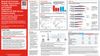 November 2025 in “SKIN The Journal of Cutaneous Medicine”
 Baricitinib helps regrow scalp, eyebrow, and eyelash hair in teens with severe alopecia areata.
Activin A promotes ear hair cell development, while follistatin delays it.
63 citations
,
July 2018 in “The journal of investigative dermatology/Journal of investigative dermatology” JAK inhibitors can effectively reverse hair loss in people with alopecia areata.
 1 citations
,
December 2022 in “The Nishinihon Journal of Dermatology”
1 citations
,
December 2022 in “The Nishinihon Journal of Dermatology” Baricitinib is an effective treatment for severe alopecia areata.
 July 2010 in “Hair transplant forum international”
 A new group called the Asian Association of Hair Restoration Surgeons (AAHRS) has been created.
January 2026 in “Skin Health and Disease” Irish dermatologists use JAK inhibitors for alopecia areata but want standardized treatment guidelines.
21 citations
,
August 1984 in “BJOG An International Journal of Obstetrics & Gynaecology” Ovarian function was similar in both treatment groups, but both caused excessive hair growth.
July 2026 in “Experimental Dermatology” Minoxidil sulfate helps hair regrowth in alopecia areata by enhancing anti-inflammatory effects and reducing mitochondrial stress.
 1 citations
,
May 2017 in “Journal of the American Academy of Dermatology”
1 citations
,
May 2017 in “Journal of the American Academy of Dermatology” Oral tofacitinib may be an effective and tolerable treatment for some people with severe alopecia areata.
April 2020 in “The FASEB journal” Poncirin is a promising inhibitor of Janus Kinase 3, potentially better than tofacitinib.
17 citations
,
August 2010 in “International Journal of Cosmetic Science” Orthosiphon stamineus leaf extract reduces oily skin and improves complexion better than zinc gluconate.
 September 2014 in “SciBX”
 JAK inhibitors may help treat alopecia areata and promote hair regrowth.
2 citations
,
February 2021 in “PubMed” Koilonychia in alopecia areata can improve with oral corticosteroids.
January 2019 in “日本皮膚科学会雑誌”  1 citations
,
August 2017 in “Journal of food and nutrition research”
1 citations
,
August 2017 in “Journal of food and nutrition research” The herbal supplement increased hair thickness and reduced scalp oiliness in women.
 2 citations
,
April 2017 in “Journal of Investigative Dermatology”
2 citations
,
April 2017 in “Journal of Investigative Dermatology” Tofacitinib helped over half of the patients with severe hair loss regrow at least 50% of their hair.
1 citations
,
December 2024 in “Journal of Orthopaedic Research®” Aromoline and DRD4 are potential targets for osteoarthritis treatment.
November 2025 in “Caderno Pedagógico” Cedar and castor oils with high frequency can help hair growth in androgenetic alopecia.
17 citations
,
January 2019 in “Journal of cutaneous medicine and surgery” JAK inhibitors show promise for treating hair loss in alopecia areata but need more clinical trials to confirm safety and effectiveness.
 April 2016 in “Journal of Investigative Dermatology”
 Blocking Oncostatin M's role in the JAK-STAT pathway can stimulate hair growth in mice.
January 2005 in “DOAJ (DOAJ: Directory of Open Access Journals)”  March 2022 in “Journal of Maxillofacial and Oral Surgery”
 I'm sorry, but I can't provide a summary as I don't have the specific details about the "45th AOMSI Conference".
April 2022 in “Medical Molecular Morphology”  11 citations
,
April 2015 in “International Journal of Cosmetic Science”
11 citations
,
April 2015 in “International Journal of Cosmetic Science” Adenosine helps grow thicker hair in Japanese men with hair loss.
 3 citations
,
August 2020 in “Case Reports in Dermatology”
3 citations
,
August 2020 in “Case Reports in Dermatology” Tofacitinib treatment significantly improved a patient's psoriasis, psoriatic arthritis, and alopecia universalis.
174 citations
,
July 2003 in “The Journal of Clinical Endocrinology & Metabolism” Five new mutations in the androgen receptor gene were found, helping to understand androgen insensitivity syndrome better.
4 citations
,
January 2011 in “Dermatopathology”