 22 citations
,
February 2002 in “Planta Medica”
22 citations
,
February 2002 in “Planta Medica” Compounds from Angelica koreana roots, especially osthenol, could be effective for treating conditions like prostate disease and hair loss.
2 citations
,
August 2017 in “Drug and therapeutics bulletin” Strontium ranelate is no longer available for treatment.
17 citations
,
August 2010 in “International Journal of Cosmetic Science” Orthosiphon stamineus leaf extract reduces oily skin and improves complexion better than zinc gluconate.
1 citations
,
June 2025 in “Biomolecules” Stauntonia hexaphylla leaves and fruits, especially leaves, may help prevent osteoporosis by boosting bone growth and reducing bone loss.
 59 citations
,
May 2014 in “Expert Opinion on Therapeutic Targets”
59 citations
,
May 2014 in “Expert Opinion on Therapeutic Targets” The document concludes that targeting 5α-reductase, the androgen receptor, and hair growth genes, along with using compounds with anti-androgenic properties, could lead to more effective hair loss treatments.
March 2023 in “Reactions Weekly”  57 citations
,
May 2014 in “Molecular Phylogenetics and Evolution”
57 citations
,
May 2014 in “Molecular Phylogenetics and Evolution” The research found how GPCR Class A Rhodopsin receptors are related and suggested possible substances they interact with.
 41 citations
,
March 2007 in “Steroids”
41 citations
,
March 2007 in “Steroids” New methods to make oxasteroids show promise for medical treatments like osteoporosis and breast cancer.
 January 1989 in “Skin research”
 The hair regrowth tonic effectively increased hair count and was safe for treating male pattern baldness.
1 citations
,
January 2017 in “Deleted Journal” Orthosiphon stamineus extract can significantly boost hair growth and cell proliferation in hair loss patients.
November 2019 in “British Journal of Dermatology” FOL-005 peptide may help treat excessive hair growth safely.
203 citations
,
December 1947 in “Annals of Internal Medicine” 19 citations
,
January 2020 in “Journal of Biophotonics” A PEG-400/oleic acid mixture best improves drug delivery monitoring through hair follicles.
54 citations
,
January 1980 in “Dermatology” 17α-estradiol lotion can reduce hair loss but doesn't promote new hair growth.
31 citations
,
February 1972 in “Experientia” The diphosphonate was the most effective at preventing calcification in rats.
6 citations
,
November 2022 in “Antioxidants” OR2AT4 helps reduce aging and cell damage in human skin cells.
 1 citations
,
August 2021 in “International journal of cosmetic science (Print)”
1 citations
,
August 2021 in “International journal of cosmetic science (Print)” Using piroctone olamine on the scalp helps reduce hair loss and improves scalp health.
 27 citations
,
July 1982 in “British Journal of Dermatology”
27 citations
,
July 1982 in “British Journal of Dermatology” The antiandrogen 11α-hydroxyprogesterone effectively reduces skin oil and cholesterol when applied to the skin.
19 citations
,
September 2019 in “British Journal of Dermatology” FOL-005 peptide can reduce human hair growth by lowering FGF7 levels.
28 citations
,
September 2021 in “EMBO reports” Osthole inhibits the TRPV3 channel by binding to specific sites, potentially aiding drug development for skin diseases and cancers.
18 citations
,
May 2024 in “Pharmaceutics” Improved delivery systems can enhance oleanolic acid's effectiveness in treating various conditions.
4 citations
,
January 1988 in “Cosmetics and toiletries” 0.1% piroctone olamine in hair tonics effectively treats dandruff.
May 2026 in “Phytomedicine”  16 citations
,
August 2004 in “Tetrahedron”
16 citations
,
August 2004 in “Tetrahedron” Scientists made all eight versions of a compound called cyoctol, but found it's not an anti-androgen and it fully breaks down in the skin.
 October 2023 in “Journal of the American Academy of Dermatology”
 Clascoterone cream could be used for other skin conditions affected by hormones.
 April 2012 in “Journal of the American Academy of Dermatology”
 Clofazimine may be effective for treating ashy dermatosis.
TrichoFoam™ is a stable option for personalized hair loss treatment with most ingredients remaining effective for 90-180 days.
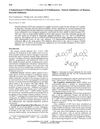 111 citations
,
August 2002 in “Journal of Medicinal Chemistry”
111 citations
,
August 2002 in “Journal of Medicinal Chemistry” New compounds were made that block an enzyme linked to breast cancer better than existing treatments.
 April 2018 in “Journal of Investigative Dermatology”
 A new peptide, FOL-005, may help treat excessive hair growth by reducing a hair growth promoter, FGF7.
 December 2024 in “PubMed”
 TrichoFoam™ effectively delivers multiple hair loss treatments, maintaining their stability and effectiveness.