 December 2024 in “PubMed”
 TrichoFoam™ effectively delivers multiple hair loss treatments, maintaining their stability and effectiveness.
 September 2024 in “Journal of Cosmetic Dermatology”
 Ectoin helps prevent cortisone-induced skin problems and supports skin health.
February 2023 in “Reactions Weekly” 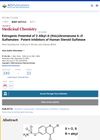 37 citations
,
September 2003 in “Journal of Medicinal Chemistry”
37 citations
,
September 2003 in “Journal of Medicinal Chemistry” A substance called Compound 2g can strongly block STS (a hormone-related enzyme) without affecting estrogen levels, making it potentially good for treating breast cancer.
1 citations
,
October 2010 in “Proceedings of SPIE, the International Society for Optical Engineering/Proceedings of SPIE” The skin fully recovered after using the optical clearing agent, showing no long-term harm.
December 2025 in “International Journal of Molecular Sciences” Opophytum forskahlii seed oil may help with anti-aging and hair growth.
 1 citations
,
January 1997 in “Skin research”
1 citations
,
January 1997 in “Skin research” Hinokitiol and pantothenylethylether in hair products can cause strong allergic reactions.
 July 2016 in “Dermatologie pro praxi”
 Espumil foam base allows easy preparation of skin medications for hairy areas.
4 citations
,
June 2013 in “PubMed” Minoxidil in Espumil foam stays stable for at least 90 days at room temperature.
5 citations
,
May 2017 in “Journal of dermatological science” The combined treatment effectively managed severe skin issues in Olmsted syndrome.
4 citations
,
April 1955 in “Archives of Dermatology” Hydrocortisone ointment effectively improved eyebrow skin and hair in a 10-year-old.
 May 2003 in “Hair transplant forum international”
 Strontium can effectively reduce skin irritation and inflammation.
 January 2007 in “Inpharma Weekly”
 Dutasteride is more effective for male pattern baldness than finasteride, and black cohosh extract BNO 1055 is as effective as conjugated estrogens in treating postmenopausal symptoms, with added benefits in reducing sweating and mental symptoms.
Spearmint tea may help reduce testosterone levels in women with PCOS, but longer studies are needed to confirm its effect on hirsutism.
 October 2023 in “Journal of the Endocrine Society”
 Estetrol helps keep scalp hair in the growth phase longer and improves hair follicle health by affecting the hair root and increasing stem cells.
 December 2025 in “PubMed”
 The minoxidil and finasteride foam remains stable and effective for 180 days at room temperature.
6 citations
,
June 2022 in “Journal of Orthopaedic Surgery and Research” Wedelolactone may help reduce bone loss with fewer side effects.
6 citations
,
August 2024 in “The Journal of Dermatology” Ozenoxacin reduces sebum production, helping manage acne.
Liposomes with minoxidil and PEP penetrate skin slowly but reach deeper layers than foam.
 11 citations
,
January 2017 in “Oxidative medicine and cellular longevity”
11 citations
,
January 2017 in “Oxidative medicine and cellular longevity” Antroquinonol may help prevent skin depigmentation by suppressing certain immune cells.
6 citations
,
March 2023 in “Materials” The GNP crosslinked scaffold with antibacterial coating is effective for rapid wound healing and infection prevention.
9 citations
,
October 1976 in “Journal of Cutaneous Pathology” Human growth hormone treatment improved skin thickness and structure in osteoporosis patients.
January 2005 in “Digest of the World Core Medical Journals” Oral zinc gluconate and topical steroids significantly improved a rare scalp condition in three elderly patients.
 4 citations
,
May 2019 in “Zeitschrift für Naturforschung C”
4 citations
,
May 2019 in “Zeitschrift für Naturforschung C” Ishige sinicola extract helps bone-building cells grow and mature, which could aid in treating osteoporosis.
 October 2015 in “Reactions Weekly”
 A woman got a scalp condition from using latanoprost, but it improved after stopping the drug and starting other treatments.
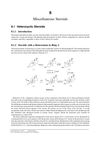
The document concludes that scientists created various steroids with different properties, including a more effective semi-synthetic vitamin D.
January 2006 in “Benzina: Revista d'excepcions culturals” Trienones are more effective at inhibiting the enzyme linked to hair loss than dienones.
9 citations
,
October 1947 in “The Lancet” 1 citations
,
November 1947 in “The Lancet”