 96 citations
,
February 2007 in “The Journal of Clinical Endocrinology & Metabolism”
96 citations
,
February 2007 in “The Journal of Clinical Endocrinology & Metabolism” Women with type 1 diabetes often have polycystic ovary syndrome and excess male hormones, which are frequently undiagnosed.
 13 citations
,
January 2012 in “International Journal of Trichology”
13 citations
,
January 2012 in “International Journal of Trichology” Most hirsutism patients had idiopathic hirsutism or PCOS, with hormonal imbalances and signs like acne and irregular periods.
 41 citations
,
April 2010 in “Gender Medicine”
41 citations
,
April 2010 in “Gender Medicine” The conclusion is that hirsutism should be diagnosed and treated because it affects quality of life and may signal other health problems.
 38 citations
,
October 2006 in “Fertility and Sterility”
38 citations
,
October 2006 in “Fertility and Sterility” The document concludes that identifying the cause of amenorrhea is crucial for proper treatment.
 14 citations
,
September 2007 in “Steroids”
14 citations
,
September 2007 in “Steroids” The study concluded that androstendione and DHEA are important for diagnosing high male hormone levels in women with excessive hair growth.
 5 citations
,
April 2014 in “European Journal of Obstetrics & Gynecology and Reproductive Biology”
5 citations
,
April 2014 in “European Journal of Obstetrics & Gynecology and Reproductive Biology” AMH levels can't reliably tell the difference between LOCAH and all types of PCOS in women with excessive hair growth.
Targeting androgen receptors in the skin is the most effective treatment for hyperandrogenism-related skin issues.
 17 citations
,
May 2019 in “Diabetes and Metabolic Syndrome: Clinical Research and Reviews”
17 citations
,
May 2019 in “Diabetes and Metabolic Syndrome: Clinical Research and Reviews” High fasting insulin levels in women with PCOS are linked to a higher risk of heart and metabolic problems.
 4025 citations
,
December 2003 in “Human Reproduction”
4025 citations
,
December 2003 in “Human Reproduction” The 2003 consensus updated PCOS diagnosis criteria and linked PCOS to higher risks of diabetes and heart problems, recommending lifestyle changes to lower these risks.
 2 citations
,
April 2013 in “Expert Review of Endocrinology & Metabolism”
2 citations
,
April 2013 in “Expert Review of Endocrinology & Metabolism” Identifying nonclassic congenital adrenal hyperplasia and carriers of CYP21 mutations is challenging, and genetic counseling is recommended due to their prevalence.
 5 citations
,
January 2014 in “Postepy Dermatologii I Alergologii”
5 citations
,
January 2014 in “Postepy Dermatologii I Alergologii” Hormonal treatments like birth control pills can improve acne in women with excess hair growth and hormone imbalances.
 6 citations
,
April 2018 in “Obstetrics, gynaecology and reproductive medicine”
6 citations
,
April 2018 in “Obstetrics, gynaecology and reproductive medicine” Most women with hirsutism have it because of PCOS, and they need long-term treatment including medication and hair removal to improve their condition.
 2 citations
,
January 2012 in “Journal of metabolic syndrome”
2 citations
,
January 2012 in “Journal of metabolic syndrome” The document concludes that hirsutism can be managed with various treatments tailored to the individual, potentially improving quality of life.
 July 2022 in “L Endocrinologo”
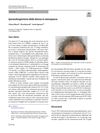
 A 77-year-old woman with hair loss had high testosterone and 17OH-progesterone levels, but no significant findings on imaging.
 July 2018 in “Elsevier eBooks”
 Lichen Planopilaris is a hair loss condition best treated early with various medications, including hydroxychloroquine, to prevent permanent baldness.
 29 citations
,
December 2012 in “Current Opinion in Endocrinology, Diabetes and Obesity”
29 citations
,
December 2012 in “Current Opinion in Endocrinology, Diabetes and Obesity” With careful management, people with congenital adrenal hyperplasia can have successful pregnancies and become parents.
 118 citations
,
September 2004 in “Clinics in Dermatology”
118 citations
,
September 2004 in “Clinics in Dermatology” Hormones, especially androgens, play a big role in acne, but most acne sufferers don't have a hormone disorder. Hormonal treatments, including birth control pills, can be very effective for women whose acne doesn't improve with regular treatments.
 77 citations
,
June 2006 in “Best Practice & Research Clinical Endocrinology & Metabolism”
77 citations
,
June 2006 in “Best Practice & Research Clinical Endocrinology & Metabolism” The document concludes that accurate measurement of serum androgens is crucial for diagnosing hyperandrogenism.
 82 citations
,
January 2000 in “Hormone Research in Paediatrics”
82 citations
,
January 2000 in “Hormone Research in Paediatrics” DHEA stimulates skin oil glands and could help postmenopausal women, with potential for acne and excessive hair growth treatments.
 49 citations
,
June 1998 in “Journal of Endocrinological Investigation”
49 citations
,
June 1998 in “Journal of Endocrinological Investigation” Cyproterone acetate plus ethinyl estradiol is generally more effective in treating hirsutism, but consider side effects and patient characteristics.
 31 citations
,
September 2006 in “International journal of gynaecology and obstetrics”
31 citations
,
September 2006 in “International journal of gynaecology and obstetrics” New treatments for PCOS focus on insulin resistance and reducing testosterone levels, along with traditional hormone therapies.
 24 citations
,
January 2001 in “Dermatologic clinics”
24 citations
,
January 2001 in “Dermatologic clinics” Hormonal therapy is a treatment option for acne, the only medical treatment for hirsutism, and the most promising for androgenetic alopecia.
 2 citations
,
June 2022 in “International Journal of Biomedicine”
2 citations
,
June 2022 in “International Journal of Biomedicine” The review suggests a comprehensive approach to treat hirsutism, focusing on hair removal, medication, and managing emotional effects.
 2 citations
,
March 2011 in “Infertility”
2 citations
,
March 2011 in “Infertility” The conclusion is that lifestyle changes and weight loss are first-line treatments for infertility due to anovulation, with various medications and assisted reproductive technologies as additional options.
 November 2013 in “John Wiley & Sons, Ltd eBooks”
 The document concludes that accurate diagnosis of male and female gonadal disorders is crucial for effective treatment and better patient outcomes.
The document concludes that accurate diagnosis and management of PCOS are crucial due to its associated health risks.
 4809 citations
,
January 2004 in “Fertility and Sterility”
4809 citations
,
January 2004 in “Fertility and Sterility” The 2003 consensus updated PCOS diagnosis criteria and highlighted increased risks of diabetes and heart disease for those affected.
 467 citations
,
October 2014 in “European Journal of Endocrinology”
467 citations
,
October 2014 in “European Journal of Endocrinology” The European Society of Endocrinology advises individualized long-term management for PCOS, focusing on lifestyle changes, accurate diagnosis, and treatments for associated health risks and symptoms.
 39 citations
,
May 2011 in “European Journal of Clinical Investigation”
39 citations
,
May 2011 in “European Journal of Clinical Investigation” Hirsutism can be caused by various conditions besides PCOS, and it's important to treat the underlying issue and manage symptoms with medication and cosmetic approaches.
 30 citations
,
July 2004 in “Fertility and Sterility”
30 citations
,
July 2004 in “Fertility and Sterility” Amenorrhea is when a woman doesn't have periods, with primary amenorrhea starting by age 15 or within five years of breast development, and secondary amenorrhea when periods stop for three months. It affects 3-4% of women not pregnant, breastfeeding, or in menopause, mainly due to polycystic ovary syndrome, hypothalamic amenorrhea, hyperprolactinemia, and ovarian failure.